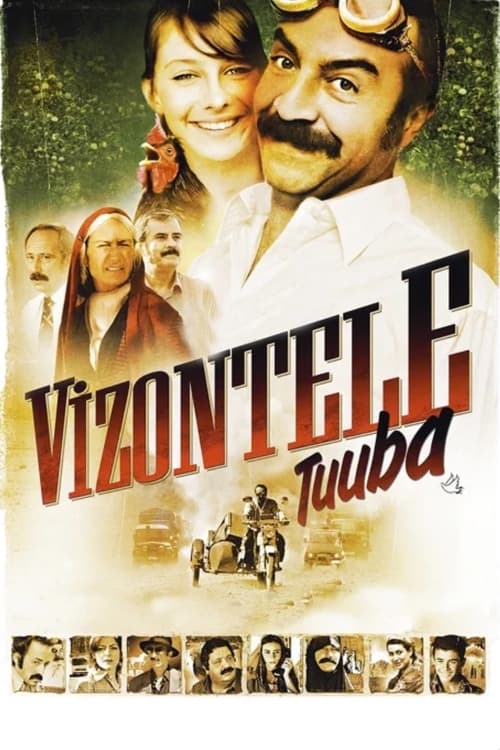
Vizontele Tuuba
2004
No user ratings available yet
Diversity score: 4.6 out of 10
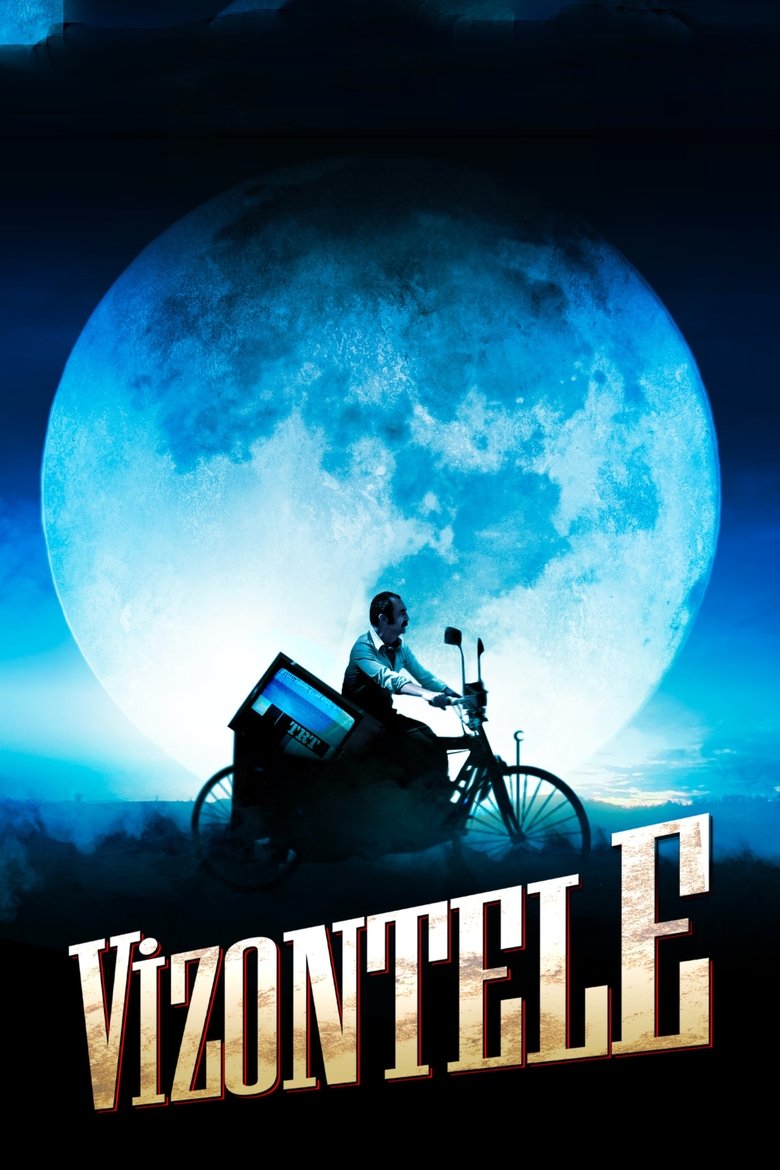
2001
Director
Yılmaz Erdoğan, Ömer Faruk Sorak
Runtime
110 minutes
Average Rating
No ratings yetSynopsis
The story takes place in the small town of Hakkari in Turkey at the beginning of the '70s. The time has come to bring technology to that small town. The first Television (called Visiontele by the citizens) arrives and the chaos begins.
Overall Score
Limited
Category Breakdown
LGBTQ+ Representation
The film focuses on a traditional rural community during a period of technological transition. It does not feature LGBTQ+ characters or non-heteronormative identities.
Gender Representation
Women are integral to the social fabric but their agency remains confined to domestic spheres. The narrative reflects the patriarchal structures of mid-20th-century Anatolia.
Racial & Ethnic Diversity
The film elevates a specific regional experience by centering the lives of villagers in Hakkari. It avoids a metropolitan-centric lens to focus on local agency.
Religious & Cultural Diversity
The story explores the tension between traditional values and Western technological advancement. It uses the arrival of television as a catalyst for social upheaval.
Disability Representation
There are no prominent depictions of physical, neurodivergent, or sensory disabilities. Characters with disabilities do not serve as central agents or plot drivers.
Strengths
Areas for Improvement
AI Analysis
Vizontele is a period-specific character study that prioritizes regional authenticity over modern intersectional representation. It succeeds in centering a marginalized Anatolian experience, moving the cinematic focus away from metropolitan centers to the small town of Hakkari. However, the film adheres strictly to the social hierarchies of the 1970s. It lacks representation for LGBTQ+ individuals and people with disabilities, and female characters lack the agency to drive the central plot through intellectual or political dominance. Ultimately, the film serves as a sociological examination of how technology disrupts established communal identities rather than a vehicle for social subversion.
2004

1988

2003

2003

1977

1979

1976

2017

1990

2015

2013

2001
No reviews yet. Be the first to share your thoughts on this movie!
Use the rating form above to leave a star rating and optional review.