
Taşı Toprağı Altın Şehir
1978
No user ratings available yet
Representation score: 3.1 out of 10
Representation Score
Limited
1990
Director
Erdoğan Tokatlı
Runtime
85 minutes
Average Rating
No ratings yetNew Showbiz Analysis
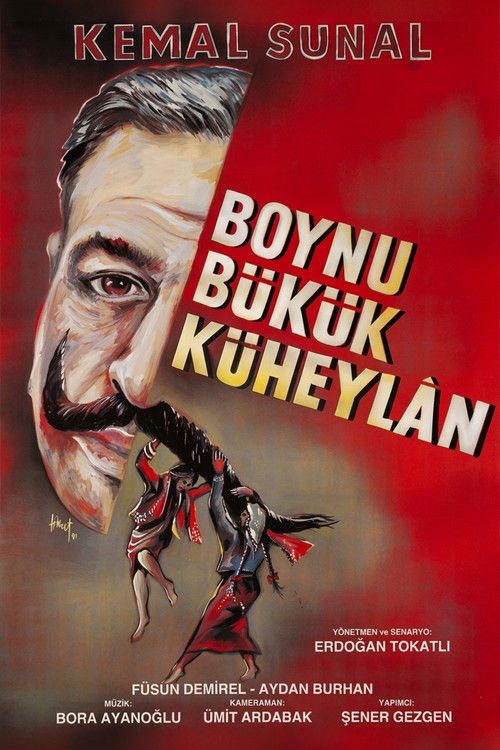
Boynu Bükük Küheylan serves as a sociological study of urbanization and its impact on the family unit. The film's strength lies in its depiction of shifting power dynamics within a marriage, as the female characters transition from passive roles to active agents of domestic opposition. However, the film remains rooted in traditional social frameworks. It lacks complexity in representing various aspects of identity, focusing instead on the friction between rural traditions and urban modernity within a largely homogeneous demographic. Ultimately, while the redistribution of ability to act adds some nuance, the narrative lacks representation of queer identities, diverse ethnic backgrounds, or disability.
Category Breakdown
The film focuses on traditional family structures and does not include any queer narratives or non-cisgender identities.
The plot features a shift in the roles of the wives, who come together to oppose their husband. This disrupts traditional hierarchies, although the conflict may still rely on conventional formulas.
The story examines the friction between rural and urban lifestyles, focusing on class and cultural assimilation rather than racial or ethnic diversity.
The narrative explores the tension between rural traditions and the appeal of city culture, depicting the social friction caused by urbanization and changing social mobility.
There is no mention of characters with visible or invisible disabilities within the narrative.
Present on Screen
Limited or Absent
Official Synopsis
With his 2 wives Kuheylan started as a doorkeeper in an apartment after immigrating from small town to city. While Kuheylan was dreaming to be rich, his wives got impressed under city culture and joined their forses agains their husband.
1978

1977
1984

2004
2003
1991

1977

1988
No reviews yet. Be the first to share your thoughts on this movie!
Use the rating form above to leave a star rating and optional review.