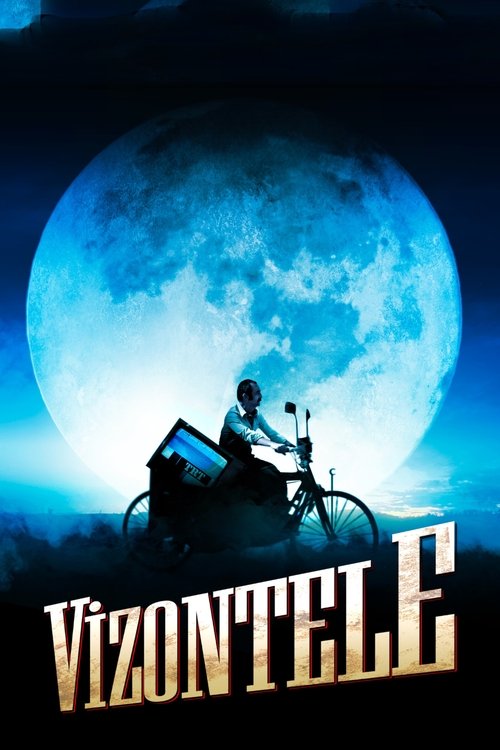
Vizontele
2001
No user ratings available yet
Diversity score: 3.6 out of 10

2003
Director
Mustafa Altıoklar
Runtime
145 minutes
Average Rating
No ratings yetSynopsis
When the devastating Kocaeli earthquake occurs, the Turkish government passes a special law allowing people to complete their military service in a month.
Overall Score
Limited
Category Breakdown
LGBTQ+ Representation
The film lacks LGBTQ+ characters or narratives. The hyper-masculine military setting reinforces traditional gendered social norms without offering queer subtext.
Gender Representation
The story focuses almost exclusively on the male experience within a conscription framework. It lacks female agency, operating within a strictly patriarchal institutional setting.
Racial & Ethnic Diversity
The film provides a non-Western perspective by focusing on the Turkish experience. While the cast is largely homogeneous, it departs from Anglo-centric global cinema narratives.
Religious & Cultural Diversity
The narrative explores the intersection of state duty and civilian life following the Kocaeli earthquake. It focuses on internal Turkish social and military structures.
Disability Representation
There is no evidence of disability being a central component of the plot. The narrative prioritizes the transitions of able-bodied conscripts.
Strengths
Areas for Improvement
AI Analysis
He's in the Army Now offers a localized, culturally specific look at Turkish life following a national crisis. By centering on the military, the film provides a necessary departure from Western-centric storytelling, offering a unique lens on state institutions and national duty. However, the film's setting inherently limits its diversity. The hyper-masculine environment of mandatory military service results in a narrative that lacks female presence and LGBTQ+ representation. This focus on a homogeneous male experience reinforces traditional social hierarchies rather than challenging them. Ultimately, the film serves as a study of national identity and institutional transition. While it succeeds in providing a non-Western perspective, it does not actively incorporate intersectional identities or disrupt established social norms.
2001
2003

1979
1988
2007
2017
1977
1990
2005
2013
2015

1976
No reviews yet. Be the first to share your thoughts on this movie!
Use the rating form above to leave a star rating and optional review.