The World of Sports: Bowling Kings
1947
No user ratings available yet
Representation score: 0.2 out of 10
Representation Score
Minimal
1948
ApprovedDirector
Dave O'Brien
Runtime
10 minutes
Average Rating
No ratings yetNew Showbiz Analysis
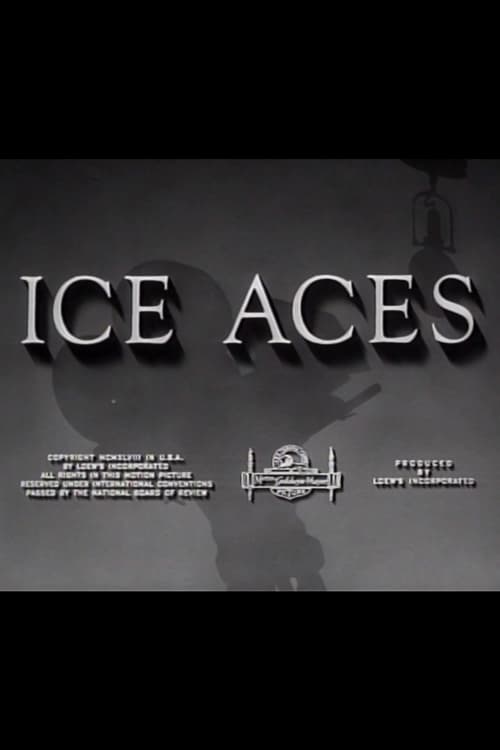
Ice Aces functions as a traditional mid-century documentary short, providing a behind-the-scenes look at the Ice Capades. The film operates within the standard social and cultural hierarchies of 1948, focusing on athletic spectacle and professional skill. Because the subject matter is centered on organized commercial entertainment, the film lacks the intentionality needed to disrupt conventional expectations of identity. It adheres to the era's mainstream frameworks rather than offering diverse or subversive perspectives. Ultimately, the production reflects the homogeneous casting and traditional gender roles typical of late 1940s variety programming.
Category Breakdown
The film focuses on the technical practices of the Ice Capades and does not include any representation of LGBTQ+ identities or narratives that challenge the assumption that everyone is straight or cisgender.
Female performers are featured, but their roles likely center on aesthetic performance. The film follows the gender norms of 1940s variety programming rather than challenging traditional gender roles.
As a mainstream mid-century ice show, the production likely features homogeneous casting. There is no indication of significant racial or ethnic diversity.
The short celebrates professional skill and organized spectacle. It aligns with mid-century Western values of commercial entertainment and professional excellence.
The film does not address disability, neurodivergence, or chronic illness. These themes are absent from the documentary-style look at skating practices.
Present on Screen
Limited or Absent
Official Synopsis
This Pete Smith Specialty short provides a behind-the-scenes look at the Ice Capades practices with ice skating favorites of the time.
1947
1947
1939

1954
1957

1953
1970
1943
No reviews yet. Be the first to share your thoughts on this movie!
Use the rating form above to leave a star rating and optional review.