Find another title
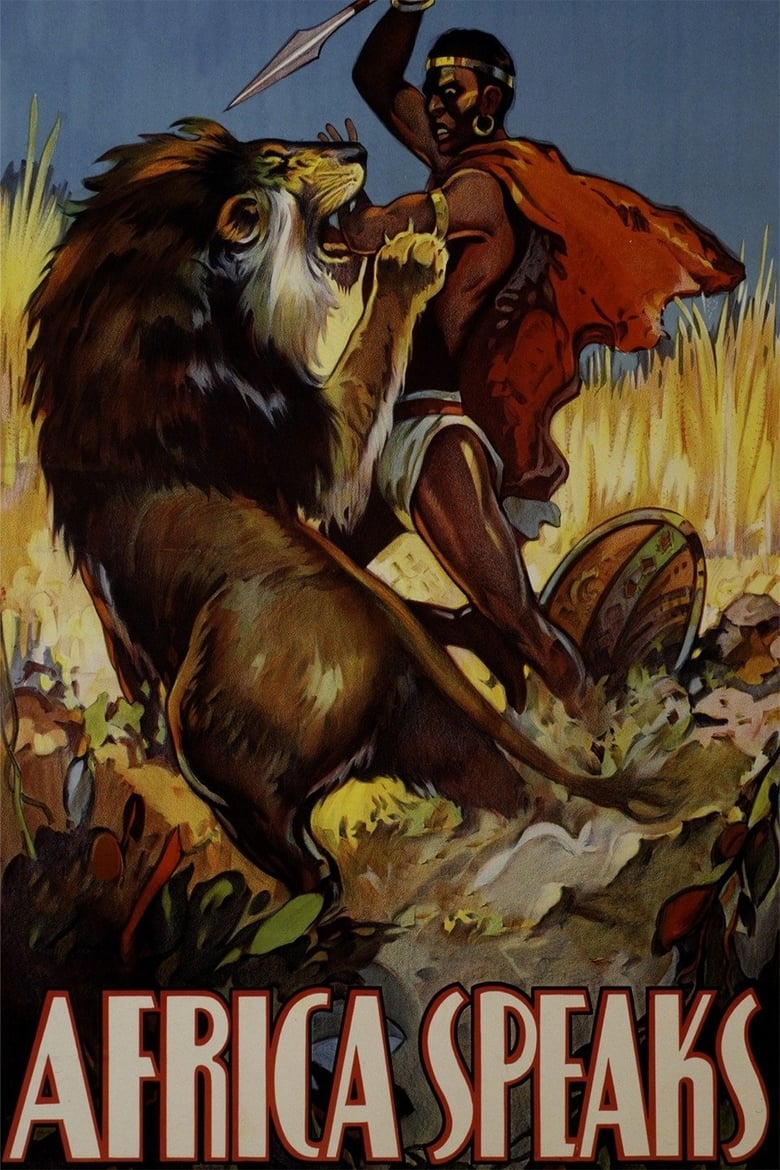
Africa Speaks!
1930
ApprovedDirector
Walter Futter
Runtime
75 minutes
Average Rating
No ratings yetSynopsis
Explorer Paul Hoefler leads a safari into central Africa and what was then called the Belgian Congo, in the regions inhabited by the Wassara and the famous Ubangi tribes.
Where to Watch
Diversity & Representation
Overall Score
Limited
Category Breakdown
LGBTQ+ Representation
The film lacks any evidence of LGBTQ+ characters or narratives. It adheres to the rigid social and cinematic norms of the 1930s, which largely excluded non-cisnormative identities.
Gender Representation
The narrative centers on the male explorer archetype. This structure reinforces traditional masculine leadership, often relegating women to peripheral or domestic roles within the adventure genre.
Racial & Ethnic Diversity
While featuring the Wassara and Ubangi tribes, the film frames them through a colonialist lens. Agency remains centered on the Western explorer, Paul Hoefler, rather than the indigenous subjects.
Religious & Cultural Diversity
The film reinforces early 20th-century Western perspectives and colonialist paradigms. It treats exploration as an investigative mission that supports traditional hierarchies and Western institutional superiority.
Disability Representation
There is no documented evidence regarding the portrayal of characters with physical or neurodivergent disabilities in this production.
Strengths
- Includes ethnographic footage of the Wassara and Ubangi tribes.
Areas for Improvement
- Lacks agency and narrative depth for indigenous populations.
- Reinforces colonialist hierarchies and Western-centric perspectives.
- Centers on a male-dominated explorer archetype.
- Provides no representation for LGBTQ+ or disabled individuals.
AI Analysis
Africa Speaks! is a product of its era, functioning as an ethnographic documentary that prioritizes the Western gaze. The narrative is built around the colonialist concept of discovery, positioning Paul Hoefler as the central protagonist of the safari. While the film includes indigenous populations like the Ubangi, they serve primarily as the backdrop for Western adventure. The film lacks narrative depth for these groups, treating them as subjects of observation rather than autonomous characters. Ultimately, the film reinforces the social hierarchies of 1930. It lacks intersectional representation, focusing instead on traditional masculine leadership and the era's prevailing colonialist ideologies.
Rate this Movie
Reviews
No reviews yet. Be the first to share your thoughts on this movie!
Use the rating form above to leave a star rating and optional review.