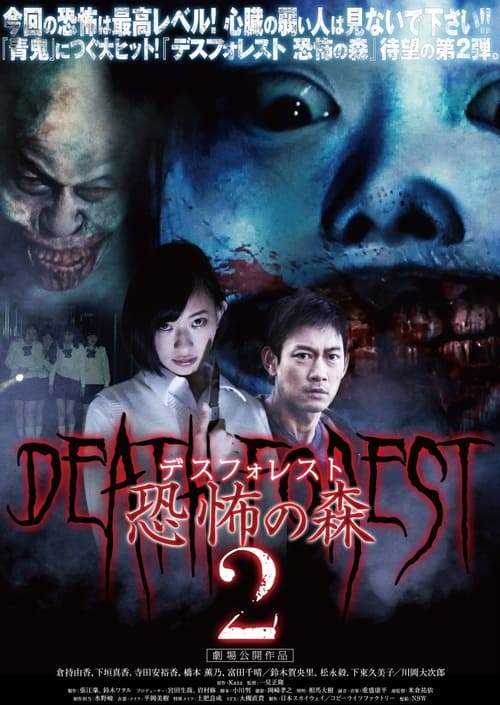
Death Forest: Forbidden Forest 2
2015
No user ratings available yet
Representation score: 5.7 out of 10
Representation Score
Good
1998
RDirector
Katsuhito Ueno
Runtime
95 minutes
Average Rating
No ratings yetNew Showbiz Analysis
The film excels in its subversion of gendered power dynamics, presenting a powerful, morally ambiguous female lead who disrupts institutional hierarchies. However, the work remains limited by its cultural homogeneity and adherence to genre conventions. The focus on supernatural mechanics often overshadows opportunities for deeper representation of diverse identities and character arcs. Ultimately, while the film offers a progressive take on female leadership in horror, it lacks breadth in its treatment of LGBTQ+ identities, racial diversity, and disability.
Category Breakdown
The film does not explicitly depict non-straight relationships or same-sex intimacy. Set in an all-girls academy, it does not use this environment to question sexual norms.
The story centers entirely on women's ability to act, with Misa Kuroi as the main driver of the plot. This challenges the typical horror cliché of the vulnerable female victim.
The film features a culturally homogeneous Japanese cast. It operates within a specific domestic framework rooted in local folklore, avoiding disruption of ethnic norms.
The setting of a religious-affiliated school provides a backdrop where institutional authority meets supernatural chaos. The narrative explores moral relativism through the protagonist's disruptive presence.
Themes of possession and psychological distress serve as genre-standard supernatural clichés. There is no dedicated effort to provide authentic representation of lived disability or neurodivergence.
Present on Screen
Limited or Absent
Official Synopsis
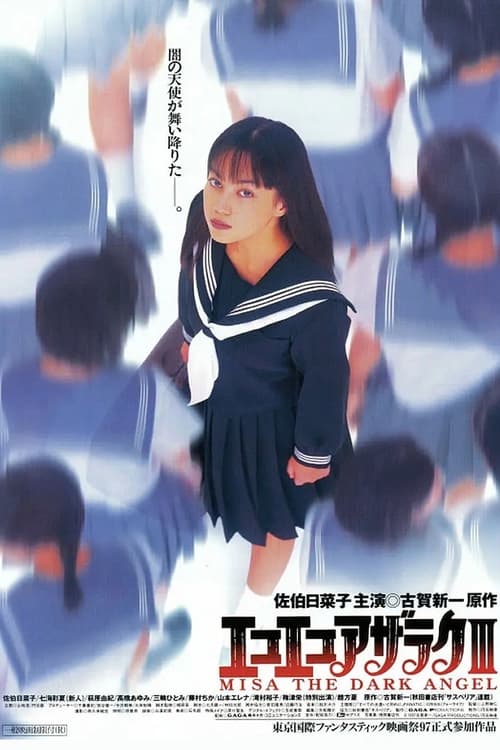
Misa Kuroi is a good witch, but wherever she goes, evil follows. When a dying girl appears out of nowhere shouting Misa's name, our heroine goes to work. Following the clues, Misa transfers to the prestigious Saint Salem School for Girls and joins the Drama Club. Soon all the girls depart for a mysterious Drama Camp, deep in the woods.
2015
2000

1995
1977
1998

2011

2002
2016
No reviews yet. Be the first to share your thoughts on this movie!
Use the rating form above to leave a star rating and optional review.