
Age of Uprising: The Legend of Michael Kohlhaas
2013
No user ratings available yet
Representation score: 1.0 out of 10
Representation Score
Minimal
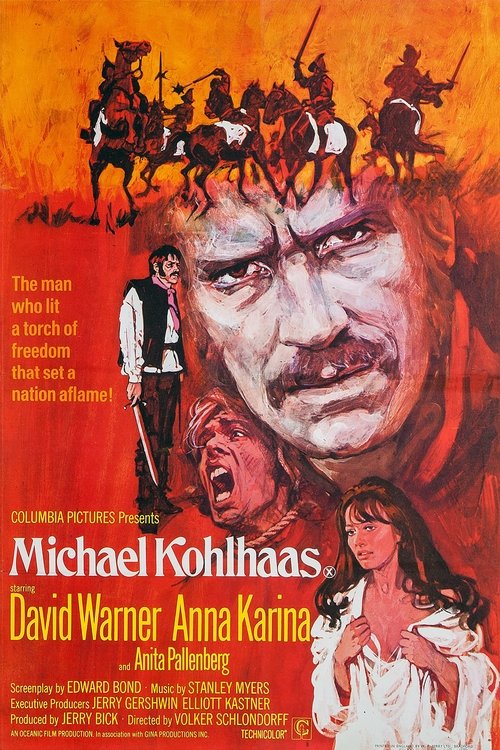
1969
M/PGDirector
Volker Schlöndorff
Runtime
99 minutes
Average Rating
No ratings yetNew Showbiz Analysis
Schlöndorff’s film is a period drama that prioritizes historical accuracy and intellectual rigor over modern demographic representation. While it lacks diversity in terms of gender, race, and LGBTQ+ identities, it excels in its thematic deconstruction of power. The film's strength lies in its critique of institutional authority and the corruption of the state. However, the lack of diverse representation and the limited ability to act afforded to female characters keep the overall diversity score low. The film remains a product of its era and setting.
Category Breakdown
The film adheres to the social constraints of its 16th-century setting. There are no depictions of non-traditional gender identities or same-sex relationships.
The narrative is driven by male-centric legal and political conflicts. Female characters exist within traditional domestic roles without much influence over the plot.
The cast consists of white European actors, reflecting the demographic reality of the Holy Roman Empire. No race-bent casting is used.
The film offers a sophisticated critique of feudal aristocracy and corrupt legal institutions. It challenges the sanctity of traditional Western hierarchies through its portrayal of systemic injustice.
There are no prominent depictions of physical or neurodivergent disabilities used as central plot devices or character traits.
Present on Screen
Limited or Absent
Official Synopsis
In medieval times, a horse merchant is forced by a noble to leave part of his stock as payment for crossing his land. Upon returning, he finds his horses near death, and when the noble refuses to compensate him, the merchant fights unsuccessfully against the injustice.
2013

1967
1959

1967
2013

1990
1990

2007
No reviews yet. Be the first to share your thoughts on this movie!
Use the rating form above to leave a star rating and optional review.