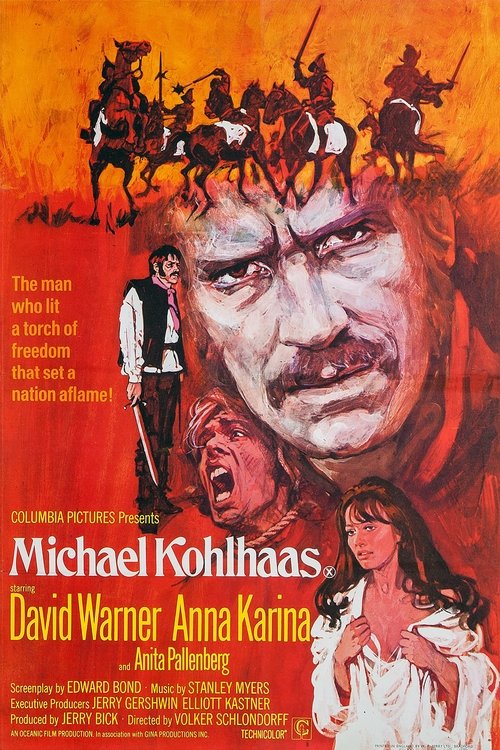
Michael Kohlhaas - The Rebel
1969
No user ratings available yet
Representation score: 1.8 out of 10
Representation Score
Limited
2013
Director
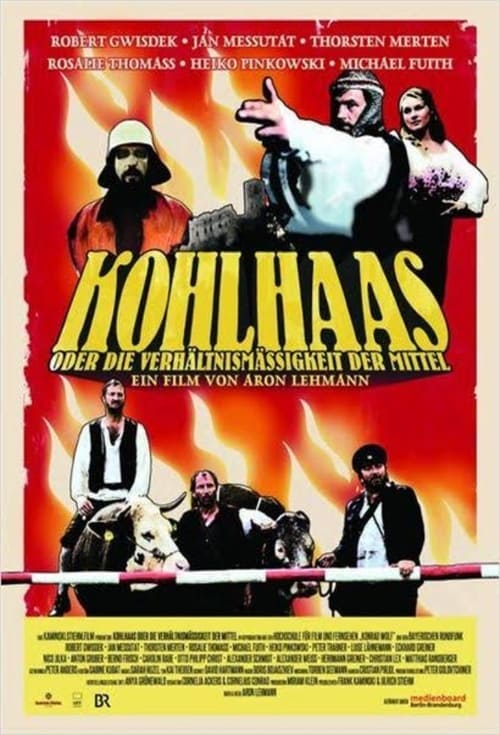
Aron Lehmann
Runtime
90 minutes
Average Rating
No ratings yetNew Showbiz Analysis
Kohlhaas or the Proportionality of Means serves as a meta-cinematic exploration of artistic autonomy. It parallels a director's struggle against financial cancellation with a historical quest for justice, emphasizing the individual's battle against institutional bureaucracy. While the film provides a compelling look at systemic friction, it lacks demographic diversity. The narrative focuses primarily on masculine struggles for rights and vision within a localized, historical German context. Ultimately, the work comments on individual ability to act rather than serving as a platform for identity-based representation. It successfully deconstructs authority but remains demographically narrow.
Category Breakdown
The film does not include any LGBTQ+ characters or stories about non-cisgender identities. It focuses solely on the professional and existential challenges faced during the filmmaking process.
The story centers around a male-dominated professional environment. It does not highlight female empowerment or challenge traditional gender power dynamics.
Set in the Bavarian countryside and centered on historical German texts, the film features a largely homogeneous white cast. There is no indication of intentional diversity.
The film examines the disruption of traditional institutions and the tension between personal truth and systemic authority. It portrays administrative and financial systems as barriers to individual vision.
There is no mention of physical or neurodivergent disabilities in the main storyline.
Present on Screen
Limited or Absent
Official Synopsis
Deep in the Bavarian countryside Kleist’s historical drama Michael Kohlhaas is being shot. But instead of shooting a huge epic with impressive costumes and extraordinary props, grown-up men in suits fight with imaginary weapons. What has happened? Young director Lehman is fighting for his film, although all funds have been canceled. He’s convinced that the actor’s play and the fantasy of the audience will be sufficient. He fights for his vision as much as Kleist’s Kohlhaas fights for his rights. This film has to be finished. Whatever may come. Even if he has to go too far.
1969

1975

2011
1979
2011

2010
2005

2018
No reviews yet. Be the first to share your thoughts on this movie!
Use the rating form above to leave a star rating and optional review.