
Gogol. The Beginning
2017
No user ratings available yet
Representation score: 2.7 out of 10
Representation Score
Excellent
2024
Director
Jaak Kilmi
Runtime
93 minutes
Average Rating
No ratings yetNew Showbiz Analysis
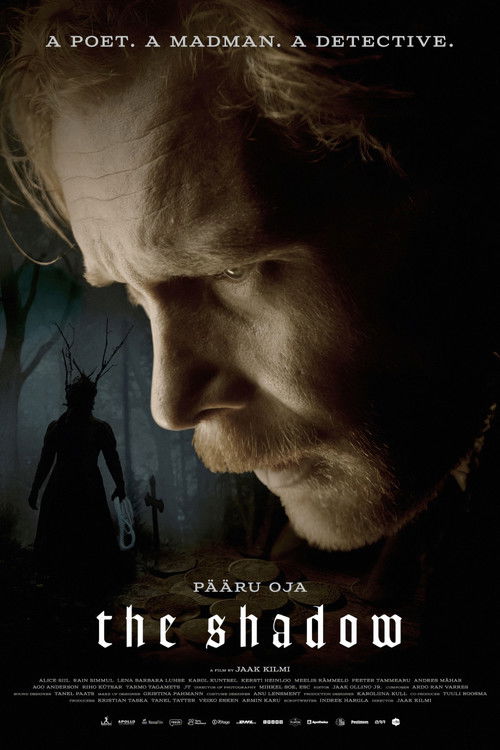
The Shadow is a sophisticated period thriller that replaces the standard competent detective with a underrepresented, psychologically complex outsider. It uses the 1890s Estonian landscape to critique systemic oppression and colonial hierarchies. The film's strength lies in its subversion of genre clichés, particularly regarding masculinity and sanity. By centering a protagonist who is branded as mad, the narrative challenges the rigidity of dominant social institutions. While the film excels at exploring ethnic tensions and institutional critique, it lacks explicit representation of LGBTQ+ identities. The focus remains primarily on the intersection of class, mental health, and colonial power dynamics.
Category Breakdown
The film focuses on the protagonist's internal psychological struggles and perceived madness. There are no explicit references to queer identities or romantic pairings involving LGBTQ+ individuals.
The film deconstructs traditional masculine archetypes by centering a male lead who is defined by vulnerability and poetic sensitivity. The protagonist is a struggling poet rather than a stoic, dominant authority figure.
Set in the 1890s, the film explores ethnic stratification between Estonian peasants and German nobility. This setting allows for a nuanced look at colonial tensions within the Russian Empire.
The story prioritizes folk spirituality and witchcraft over centralized state or religious authority. It critiques institutional rationality by framing the established social order as the true source of dysfunction.
The film centers on neurodivergence by using the protagonist's perceived madness as a lens for truth. It grants the character's ability to drive the story rather than treating his mental state as a deficit.
Present on Screen
Limited or Absent
Official Synopsis
Juhan Liiv, a struggling poet and an unlikely detective, solves gruesome murder cases in Estonia, the Wild West of the crumbling Russian Empire in the 1890s. Investigations take him to miserable dwellings of the local Estonian peasants, luxurious castles of German nobility that have sworn allegiance to the Czar, and to the depths of ancient forests where witchcraft is still practiced. Juhan is fighting crime and his own inner demons. He is considered mad and pronounced crazy. But by standing for justice and truth, at the end of the day, he is the sanest of them all.
2017
1944
2018
1939
2015
1997
2019
2009
No reviews yet. Be the first to share your thoughts on this movie!
Use the rating form above to leave a star rating and optional review.