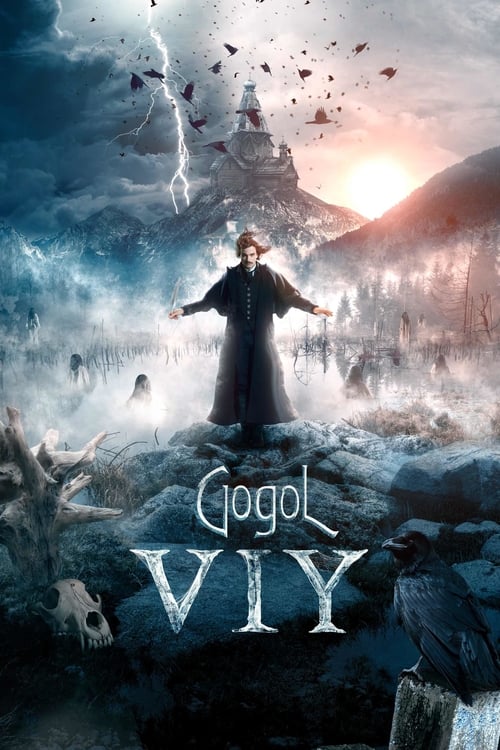
Gogol. Viy
2018
No user ratings available yet
Representation score: 2.8 out of 10

Representation Score
Limited
2017
Not RatedDirector
Egor Baranov
Runtime
100 minutes
Average Rating
No ratings yetNew Showbiz Analysis
Gogol. The Beginning is a period-driven mystery that prioritizes historical atmosphere and supernatural elements over progressive social disruption. The film adheres strictly to the religious and social norms of its 19th-century setting. While the protagonist's epilepsy is central to the plot, it functions largely as a narrative engine for the mystery. The film focuses on individual spiritual struggles and historical biography rather than deconstructing systemic hierarchies. Ultimately, the work serves as a traditional genre piece that reinforces established cultural and gendered structures of the era.
Category Breakdown
The film does not include any LGBTQ+ characters or narratives that question the assumption that everyone is straight or cisgender. The story stays within the traditional social structures of 19th-century Imperial Russia.
The narrative focuses on the male experience, particularly the struggles of Gogol and Guro. Women do not have roles that significantly influence the story or challenge the era's patriarchal order.
The cast reflects the historical demographics of 19th-century Russia and Dikanka. The film functions as a localized historical fantasy without challenging racial norms or exploring diverse backgrounds.
The story relies heavily on traditional religious iconography and the struggle between divine and demonic forces. It reinforces metaphysical hierarchies rather than critiquing institutional or spiritual structures.
Nikolay Gogol experiences epileptic seizures that provide essential clues for solving crimes. This portrayal is between meaningful representation and using a medical condition as a supernatural plot device.
Present on Screen
Limited or Absent
Official Synopsis
1829: Nikolay Gogol, troubled Third Section clerk, burns his own books. Epileptic seizures plague him. Investigator Yakov Guro discovers Gogol's visions hold crime-solving clues. Together, they tackle a baffling case in Dikanka, where everyone hides a dark secret.
2018
2016

2018
2012
2024
2019
No reviews yet. Be the first to share your thoughts on this movie!
Use the rating form above to leave a star rating and optional review.