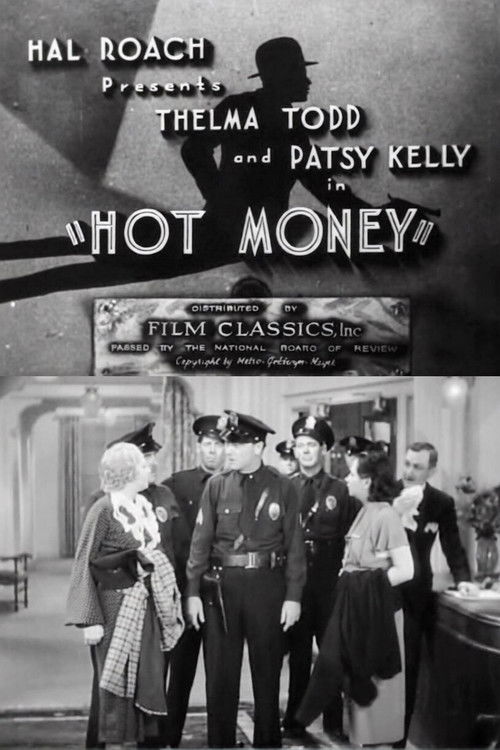
Hot Money
1935
No user ratings available yet
Representation score: 1.1 out of 10
No Poster Available
Representation Score
Minimal
1935
ApprovedDirector
Joseph Henabery
Runtime
19 minutes
Average Rating
No ratings yetNew Showbiz Analysis
Dumb Luck is a product of the 1930s studio system, adhering strictly to the conventional comedic structures of its era. The narrative relies on established genre clichés that prioritize slapstick and situational irony over social complexity. The film lacks intentional efforts to disrupt social hierarchies or provide nuanced representation, mirroring the conservative cinematic standards of the period. Ultimately, the work functions as a traditional period comedy that offers little in the way of diverse perspectives.
Category Breakdown
The film follows a standard framework typical of 1930s comedies, with no representation of LGBTQ+ identities.
A female protagonist drives the plot, but her role primarily involves being targeted by criminals, aligning with the traditional damsel in distress cliché.
The production reflects the homogeneous casting standards of the 1930s studio system, lacking diverse characterizations.
The story uses crime and socioeconomic desperation as comedic devices, functioning as a farce rather than a critique of societal issues.
There is no documented evidence of characters with visible or invisible disabilities in this film.
Present on Screen
Limited or Absent
Official Synopsis
Two criminals hear about a woman who has won a prize in the lottery, and decide to kidnap her to force her to give them the money. Unfortunately, they don't know that the prize she won amounted to $50.
1935
1933
1952
1940
1952
2013
1948
1950
No reviews yet. Be the first to share your thoughts on this movie!
Use the rating form above to leave a star rating and optional review.