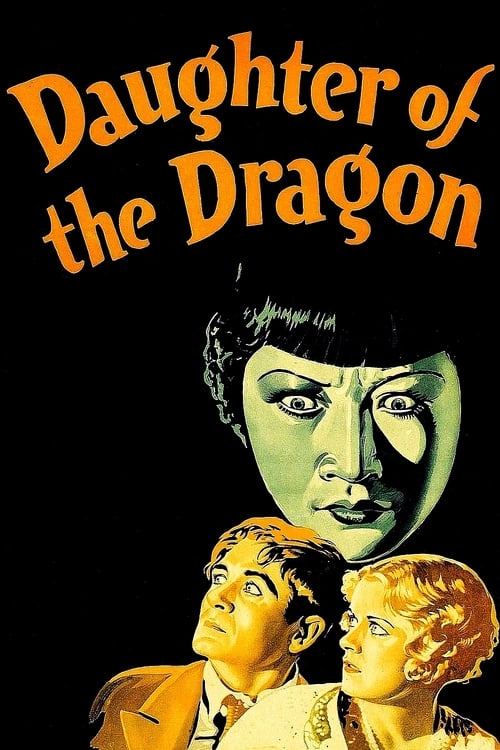
Daughter of the Dragon
1931
No user ratings available yet
Representation score: 3.4 out of 10

Representation Score
Limited
1932
NRDirector
William A. Wellman
Runtime
74 minutes
Average Rating
No ratings yetNew Showbiz Analysis
The film stands out for its time by centering a Chinese protagonist, moving away from the racial exclusion common in 1930s cinema. By highlighting his capacity for paternal care and emotional depth, the narrative challenges typical period clichés. However, the film’s portrayal of gender roles seems limited. While the daughter plays a crucial role in the male lead’s journey, her role may be more functional than independent, serving the male character’s development rather than her own. Overall, the work provides a nuanced exploration of morality and identity, prioritizing situational ethics over simplistic binaries, though it lacks representation in other key diversity areas.
Category Breakdown
The film does not include any characters with non-straight identities. There are no stories that question or explore the idea that everyone is assumed to be straight.
The story focuses on a male protagonist, but a daughter is introduced to spark his emotional growth. It's unclear if she has her own independent role or mainly serves to help the male character grow.
The film breaks from typical era-specific homogeneity by featuring a Chinese protagonist. By giving him a meaningful role as a father, the story moves beyond simple stereotypes to show complex human connections.
The story explores moral ambiguity through a protagonist who faces tough decisions between his duties and personal instincts. This places his struggles within a complex social and ethical context.
There is no information about the portrayal of physical or neurodivergent disabilities in this work.
Present on Screen
Limited or Absent
Official Synopsis
When he's forced to kill his best friend, a Chinese hit man adopts the man's daughter.
1931

1937
1951
1974

1931
1950

1948
1938
No reviews yet. Be the first to share your thoughts on this movie!
Use the rating form above to leave a star rating and optional review.