Finding Nemo
2003
No user ratings available yet
Representation score: 3.5 out of 10
Representation Score
Good
2016
PGDirector
Andrew Stanton
Runtime
97 minutes
Average Rating
No ratings yetNew Showbiz Analysis
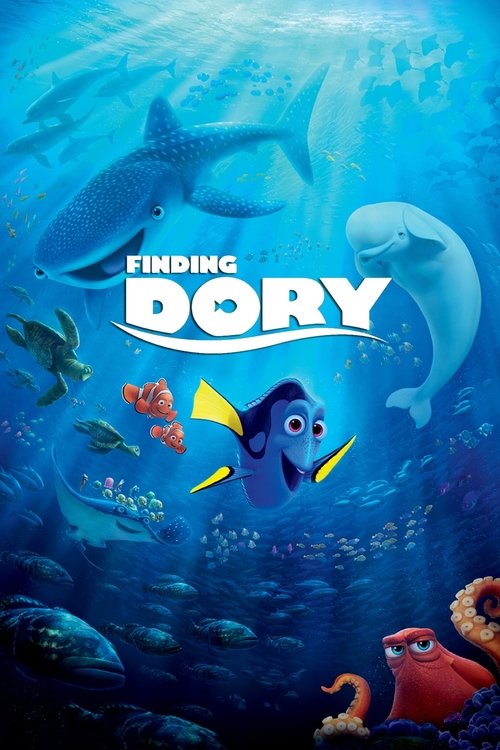
Finding Dory stands out for its nuanced portrayal of neurodivergence, elevating a character with a cognitive disability to a position of leadership and ability to act. Dory's memory loss is treated with complexity, serving as a key part of her identity rather than a simple joke. While the film successfully centers a female lead, it maintains a traditional structure that doesn't explicitly represent LGBTQ+ identities or ethnic diversity. Instead, it suggests diversity through biological variety. Overall, the film balances progressive character development with traditional storytelling, excelling in disability representation while upholding a family-focused moral framework.
Category Breakdown
The story focuses solely on biological lineage and family reunification. It doesn't depict any non-traditional gender identities or same-sex relationships, sticking to a conventional perspective on relationships.
Dory is a strong female protagonist who drives the plot with persistence and ability to act. The film passes the Bechdel test through meaningful conversations between female characters like Destiny and Bailey.
Biological diversity serves as a stand-in for social variety within the aquatic setting. However, the film doesn't include specific representations of racial identity or cast actors with diverse backgrounds.
Themes center on the sanctity of family and personal resilience. The narrative doesn't criticize Western scientific institutions, focusing instead on traditional moral connections and parental bonds.
The film excels by portraying neurodivergence through Dory's short-term memory loss. Her cognitive processing is a central, empowering aspect of her character, rather than a mere comedic device.
Present on Screen
Limited or Absent
Official Synopsis
Dory is reunited with her friends Nemo and Marlin in the search for answers about her past. What can she remember? Who are her parents? And where did she learn to speak Whale?
2003

1997
2014
2000
2016

2006

2017

2014
No reviews yet. Be the first to share your thoughts on this movie!
Use the rating form above to leave a star rating and optional review.