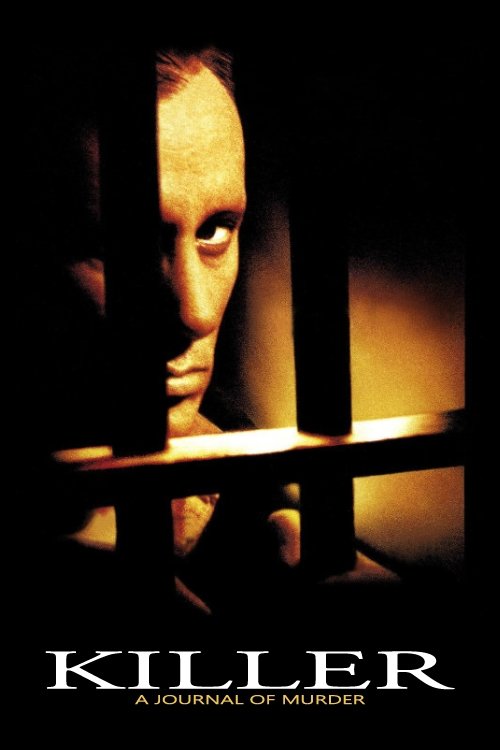
Killer: A Journal of Murder
1996
No user ratings available yet
Representation score: 4.0 out of 10
Representation Score
Good
2002
Director
Isaac-Pierre Racine, Agustí Villaronga, Lydia Zimmermann
Runtime
95 minutes
Average Rating
No ratings yetNew Showbiz Analysis
The film excels at deconstructing traditional moral and institutional certainties. By focusing on a protagonist whose psychological unraveling occurs within a religious mission, it critiques the perceived stability of Western social orders. Its strength lies in its transnational scope and its refusal to provide easy answers regarding mental health or morality. The narrative uses the protagonist's descent into violence to examine the failures of institutional guidance. However, the film's approach to identity is often subtextual. While it challenges social norms, it lacks explicit representation in certain categories, relying instead on psychological complexity and atmospheric tension.
Category Breakdown
The film explores intense emotional bonds within a restrictive religious setting, suggesting a disruption of traditional relationship expectations. Identity markers are subtle rather than overt.
The narrative centers on a male protagonist whose strength is defined by emotional instability. Women, such as Sister Carmen, hold positions of spiritual authority within the community.
By shifting from Hungary to Guatemala, the film critiques Western displacement. This transnational setting allows for an exploration of identity outside of a homogeneous Anglo-Saxon perspective.
The story challenges Western institutions by portraying a religious mission as a site of trauma and violence. It frames these structures as environments that contribute to psychological fracturing.
The film offers a dark character study of neurodivergence and mental health. It avoids inspirational clichés, instead presenting the protagonist's cognitive instability as a central, driving force.
Present on Screen
Limited or Absent
Official Synopsis
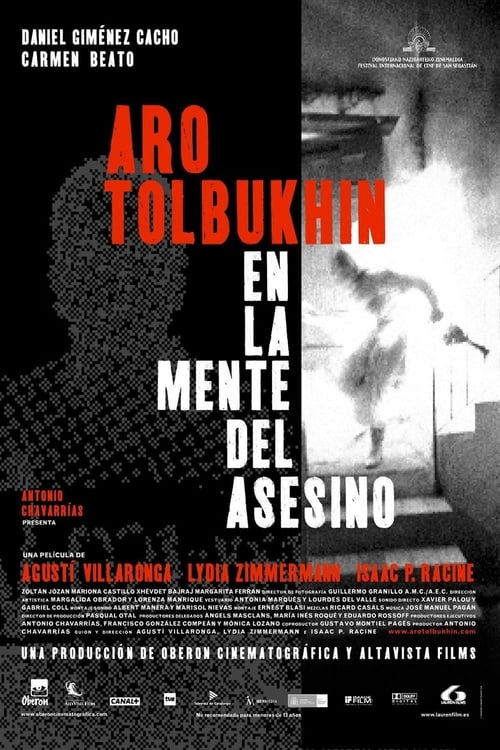
After a strict upbringing and the death of his beloved sister, Aro Tolbukhin leaves Hungary for Guatemala. Taken in as a political refugee at a mission, Aro grows close to Sister Carmen and becomes part of the community, but a series of misfortunes drive him to arson and murder. Now on death row, Aro is interviewed about his life and motivations by a film crew trying to understand what made him snap.
1996

1989

2006
2010
1993
2019

1982

2020
No reviews yet. Be the first to share your thoughts on this movie!
Use the rating form above to leave a star rating and optional review.