
Hector
2016
No user ratings available yet
No diversity score available
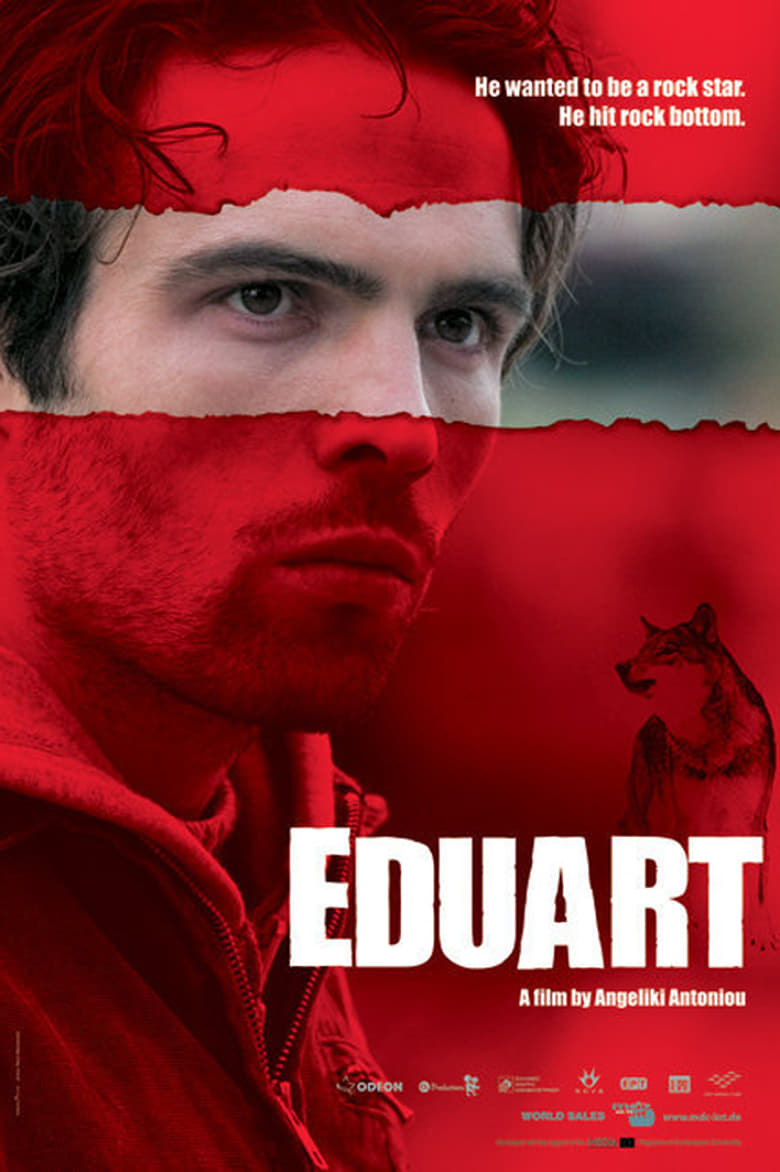
2006
Director
Angeliki Antoniou
Runtime
104 minutes
Average Rating
No ratings yetSynopsis
Based on true events, a young man raised in a cruel and oppressive family environment, leaves Albania with the dream of becoming a rock star and living a better life. His reckless character and his youth passions lead him to commit a murder in Athens. Chased by everyone, even by his own self, he is imprisoned under the harshest conditions. With the help of a German doctor, he learns to feel sympathy for others and guilt for his crime. His deep remorse will lead him from darkness to light.
Overall Score
Fair
Category Breakdown
LGBTQ+ Representation
The film lacks explicit depictions of LGBTQ+ identities or non-heteronormative relationships. The narrative focuses primarily on the protagonist's personal redemption and his struggle with crime.
Gender Representation
The story centers on a male protagonist's psychological shift from violence to empathy. While it explores subverting masculine archetypes, there is a lack of prominent female agency.
Racial & Ethnic Diversity
The film excels by centering an Albanian immigrant narrative in Athens. This disrupts Western-centric gazes by providing high agency to a non-Western protagonist navigating displacement.
Religious & Cultural Diversity
The narrative portrays the family unit as a source of trauma rather than stability. It emphasizes humanist connections, such as a doctor's influence, over religious dogma.
Disability Representation
There is no explicit mention of physical or neurodivergent disabilities. However, the film explores deep psychological states, including intense remorse and the cognitive processes of guilt.
Strengths
Areas for Improvement
AI Analysis
Eduart is a social realist drama that prioritizes the ethical evolution of an immigrant protagonist over standard crime tropes. It succeeds in providing a nuanced look at how systemic displacement and oppressive domestic environments shape a person's agency. The film's strength lies in its ethnic representation and its refusal to present an idealized view of social structures. By focusing on the friction between an Albanian immigrant and his Greek surroundings, it offers a meaningful perspective on migration. However, the film remains limited by a narrow focus on a male-driven narrative. The lack of visible LGBTQ+ representation and prominent female characters prevents a higher overall diversity score.
2016

2002

2013

2014
2017

2011

2021

2014

1993
2009

1977
No reviews yet. Be the first to share your thoughts on this movie!
Use the rating form above to leave a star rating and optional review.