How to Kiss
1988
No user ratings available yet
Representation score: 2.6 out of 10
Representation Score
Limited
2001
RDirector
Bill Plympton
Runtime
9 minutes
Average Rating
No ratings yetNew Showbiz Analysis
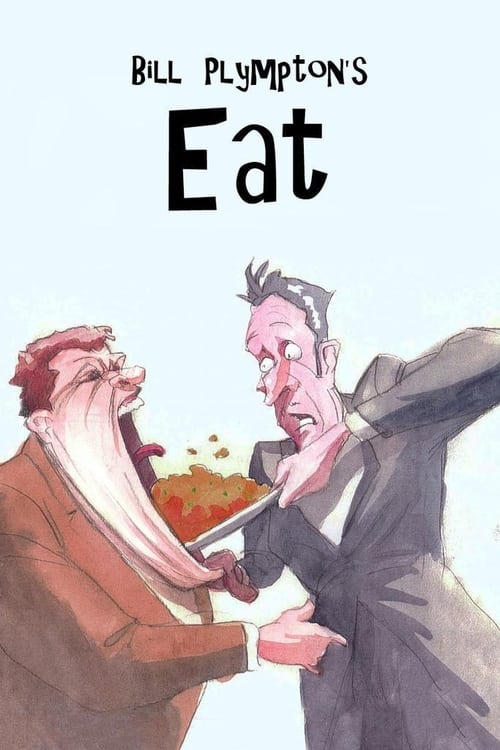
Bill Plympton’s *Eat* is a surrealist exploration of gluttony that prioritizes metamorphic animation over social commentary. The film uses abstract, non-humanoid figures to drive its narrative, which inherently limits the ability to depict specific demographic identities. While the film challenges traditional gender roles through bizarre physical mutations, it lacks the character depth necessary for meaningful representation. The focus is almost entirely on the visceral, psychological experience of eating and the breakdown of social norms. Ultimately, the work functions as a postmodern critique of desire rather than a vehicle for diverse storytelling. It favors aesthetic experimentation and metaphorical abstraction over the intentional representation of underrepresented groups.
Category Breakdown
The film does not include any identifiable LGBTQ+ characters or non-straight relationships. The story focuses solely on the physical changes and mutations caused by consumption.
A couple is shown, featuring a female character whose speech and physical mutations challenge traditional feminine roles. However, the characters lack depth and play minor roles in driving the story.
Plympton’s highly stylized, non-humanoid animation prevents the depiction of specific racial or ethnic identities. Characters are abstract archetypes rather than individuals from specific demographic groups.
The narrative uses consumption as a metaphor for insatiable desire and consumerist impulses. It explores social dysfunction through a lens of surrealist absurdity.
Frequent, radical physical mutations highlight the instability of the body. These transformations serve as stylistic metaphors for hunger rather than nuanced portrayals of disability.
Present on Screen
Limited or Absent
Official Synopsis
A restaurant opens for the night. The diners include: A man dining alone, who orders a plate of spaghetti that becomes his dining companion. A couple; the woman talks endlessly (and unintelligibly), as her head mutates into a variety of shapes. Her ravenous companion refuses to pay, and the restaurant reclaims its food. A family with two children; they play, rather elaborately, with their food.
1988
1921
1932
2010
1906

2013
1996
1941
No reviews yet. Be the first to share your thoughts on this movie!
Use the rating form above to leave a star rating and optional review.