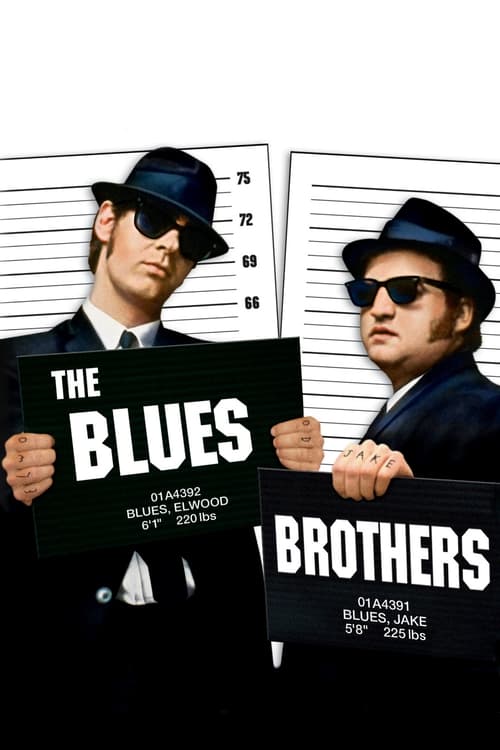
The Blues Brothers
1980
5.0 out of 5 stars based on 1 rating
Representation score: 3.0 out of 10

Representation Score
Limited
1998
PG-13Director
John Landis
Runtime
123 minutes
Average Rating
No ratings yetNew Showbiz Analysis
Blues Brothers 2000 is a film that excels in cultural celebration while remaining narrow in social representation. Its primary strength lies in the meaningful integration of Black musical heritage, which grants a significant role in driving the story to R&B and Soul traditions at its core. However, the film remains tethered to a traditional, male-dominated cinematic structure. It lacks any LGBTQ+ representation and offers very little ability to act to female characters, who largely serve as plot catalysts rather than independent drivers of the story. Ultimately, the film succeeds as a critique of corrupt institutional power and systemic greed, but these themes are contained within a framework that reinforces conventional gender hierarchies.
Category Breakdown
The film follows a strictly straight-centered structure focused on male brotherhood. There are no non-assuming gender matches what was assigned at birth identities or critiques of the assumption that everyone is straight or cisgender within the main character arcs.
The narrative operates within a traditional masculine framework driven by male protagonists. Female characters, such as Sister Mary Stigmata, serve functional roles to initiate the plot rather than driving it independently.
The film celebrates Black musical excellence by centering the mission on R&B and Soul traditions. While the protagonist is white, the casting of Lou Bluewong and a diverse ensemble provides significant cultural ability to act to Black musicians.
The story critiques predatory capitalism and institutional authority by framing law enforcement as an obstacle to a higher moral purpose. It uses situational ethics to justify anti-social acts for a perceived social good.
There is no significant evidence of characters with visible or invisible disabilities. Disability is not utilized as a central plot device or integrated into the narrative.
Present on Screen
Limited or Absent
Official Synopsis
Finally released from prison, Elwood Blues is once again enlisted by Sister Mary Stigmata in her latest crusade to raise funds for a children's hospital. Hitting the road to re-unite the band and win the big prize at the New Orleans Battle of the Bands, Elwood is pursued cross-country by the cops.
1980

1960
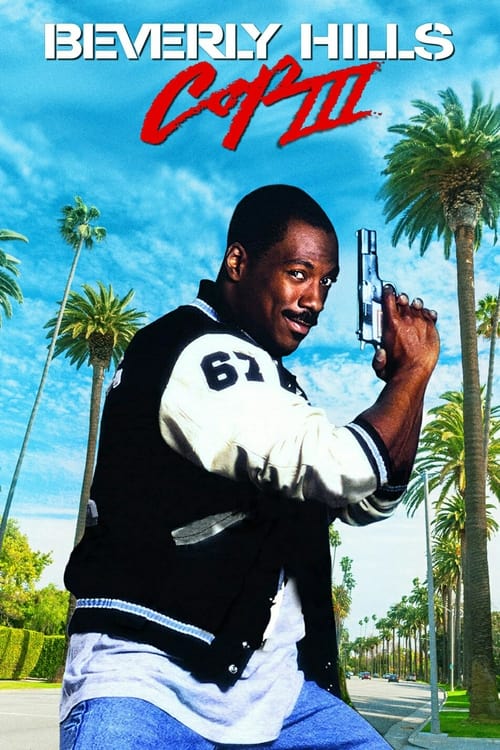
1994

1984

1994

1974

1983
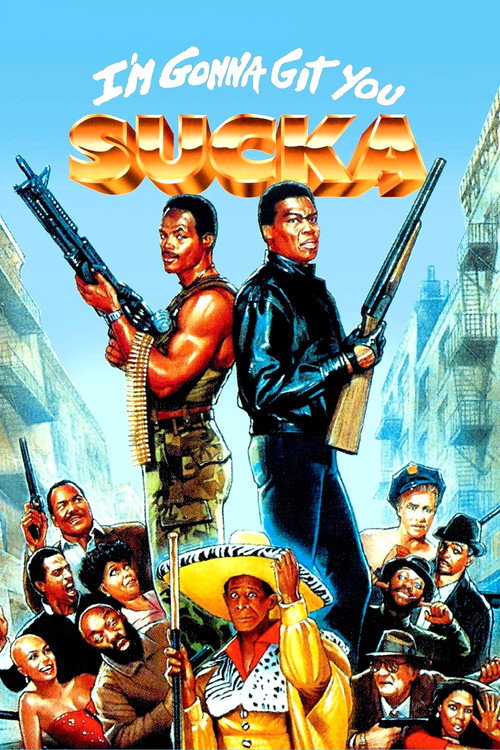
1988
No reviews yet. Be the first to share your thoughts on this movie!
Use the rating form above to leave a star rating and optional review.