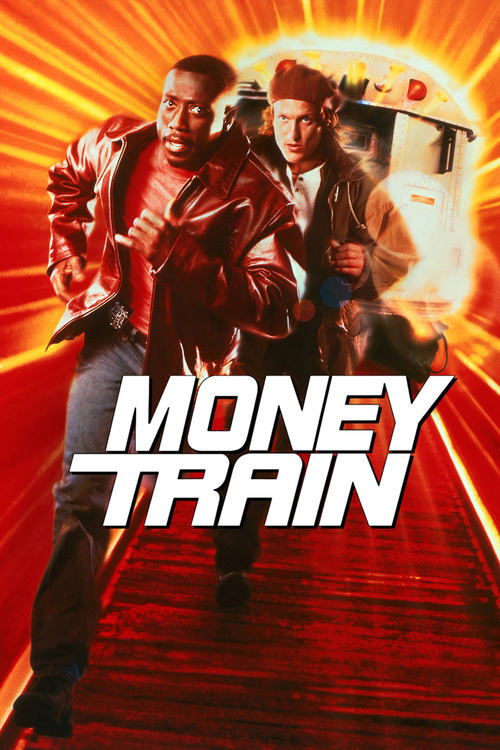
Money Train
1995
No user ratings available yet
Representation score: 2.3 out of 10

Representation Score
Fair
1984
RDirector
Stuart Rosenberg
Runtime
121 minutes
Average Rating
No ratings yetNew Showbiz Analysis
The film operates as a gritty character study of urban survival, emphasizing socioeconomic subtext over demographic diversity. It excels in providing a sophisticated critique of institutional stability and the pressures of capitalism, yet it remains narrowly focused on a specific social context. While the narrative presents a nuanced view of economic hardship and its impact on behavior, it falls short in representing a wide range of identity categories. The world is predominantly centered on a specific masculine experience, lacking a broad spectrum of multi-layered identities.
Category Breakdown
The film focuses primarily on straight relationships and male characters, with no clear indication of LGBTQ+ identities or queer themes.
The story revolves around traditional masculine bonds between Charlie and Paulie. Female characters are sidelined, playing minor roles rather than active ones.
The urban setting is relatively homogeneous, lacking a multi-ethnic cast and focusing instead on the socioeconomic status of the main characters.
The film offers a nuanced critique of systemic economic pressures, presenting criminal activity as a response to a rigid capitalist system and corrupt institutions.
The film does not address visible or invisible disabilities. Characters are defined by their socioeconomic status rather than by physical or neurodivergent traits.
Present on Screen
Limited or Absent
Official Synopsis
Charlie and his troublesome cousin Paulie decide to steal $150,000 in order to back a "sure thing" race horse that Paulie has inside information on. The aftermath of the robbery gets them into serious trouble with the local Mafia boss and the corrupt New York City police department.
1995
1972

1987

1974

1994

1973

1986

1974
No reviews yet. Be the first to share your thoughts on this movie!
Use the rating form above to leave a star rating and optional review.