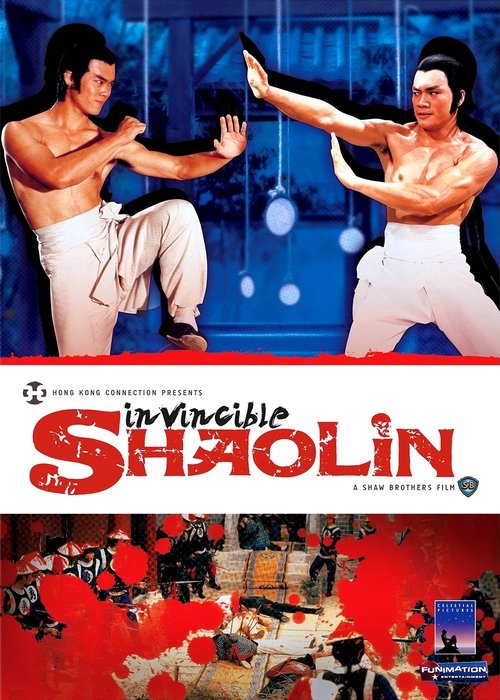
Invincible Shaolin
1978
No user ratings available yet
Representation score: 1.5 out of 10
Representation Score
Limited
1974
RDirector
Chang Cheh
Runtime
107 minutes
Average Rating
No ratings yetNew Showbiz Analysis
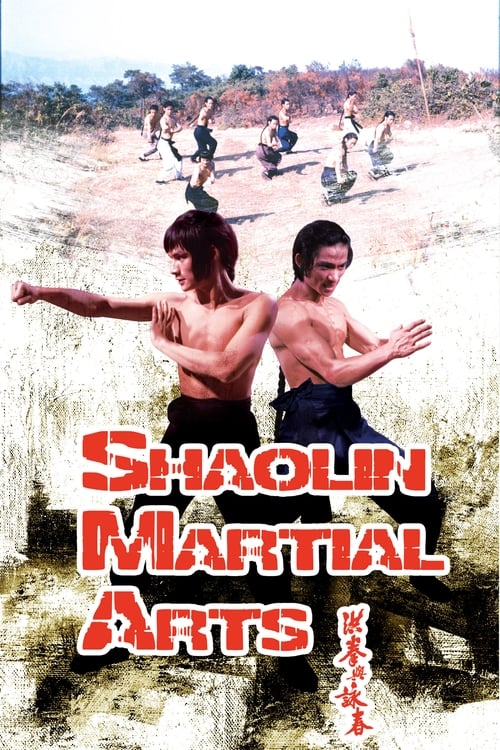
Shaolin Martial Arts is a period action film that excels in ethnic and cultural authenticity. It uses the historical conflict between Shaolin practitioners and the Qing Dynasty to explore themes of systemic oppression and grassroots rebellion. The narrative effectively deconstructs the legitimacy of centralized authority by prioritizing a righteous martial code over state law. However, the film is deeply limited by its narrow demographic focus. The storytelling is almost exclusively centered on male protagonists, resulting in a significant lack of gender diversity and women's ability to drive the story. There is also no representation of LGBTQ+ identities within the traditional framework of the martial arts brotherhood. Ultimately, the film's strength lies in its portrayal of ethnic resistance and its anti-authoritarian themes. While it lacks social diversity in terms of gender and sexuality, its authentic engagement with post-colonial themes and cultural identity provides a strong, specific narrative lens.
Category Breakdown
The film does not include any explicit depictions of LGBTQ+ identities or non-binary gender expressions. It focuses solely on the traditional martial arts brotherhood without incorporating any queer subtext.
The story follows a strict masculine hierarchy led by male protagonists. By excluding female characters from the central conflict, the film reinforces a male-dominated social structure.
The production features a predominantly Chinese cast reflecting the historical context of the Qing Dynasty. It centers on Han Chinese resistance against Manchu-led authorities, avoiding whitewashing.
The film critiques imperial institutions, presenting the Qing Dynasty as a corrupt force. It explores the tension between monasticism and political survival, portraying Shaolin as a sanctuary for the oppressed.
There is no significant evidence regarding the portrayal of visible or invisible disabilities. Characters are defined almost entirely by their physical martial capabilities.
Present on Screen
Limited or Absent
Official Synopsis
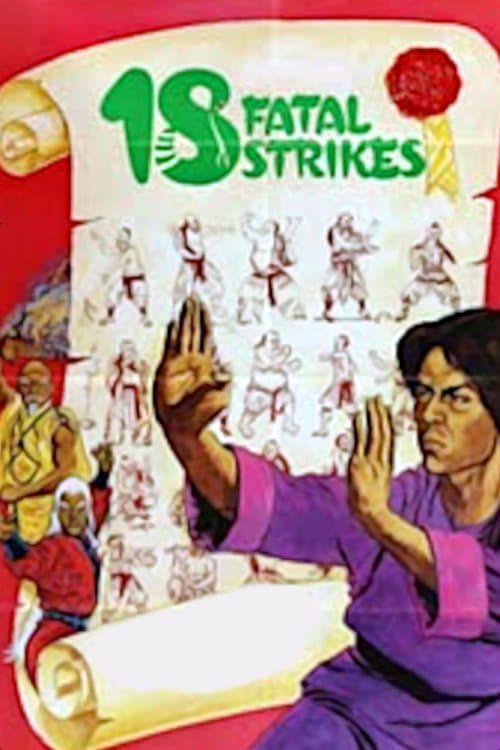
After the destruction of the Shaolin Temple, the Chings are in control and send their best students to wipe out all of the remaining Shaolin practioners. They almost succeed, but two students escape. They learn various Kung Fu styles from different teachers to combat the Ching's two kung fu fighters.
1978
1976
1979
1978
1983
1974
1980
1978
No reviews yet. Be the first to share your thoughts on this movie!
Use the rating form above to leave a star rating and optional review.