The Little Shop of Horrors
1960
No user ratings available yet
Representation score: 3.3 out of 10
Representation Score
Fair
1986
PG-13Director
Frank Oz
Runtime
94 minutes
Average Rating
No ratings yetNew Showbiz Analysis
Little Shop of Horrors is a sophisticated satire that prioritizes systemic critique over demographic variety. It effectively deconstructs the American Dream and toxic masculinity, offering a progressive perspective on how socioeconomic pressures can erode personal ethics. However, the film's reach is limited by a homogeneous cast and a lack of explicit representation for LGBTQ+ and disabled communities. While the setting hints at a diverse urban landscape, the actual character dynamics remain narrow in scope. Ultimately, the film's strength lies in its narrative structure and its ability to challenge traditional power structures, even though it falls short in providing broad inclusive casting.
Category Breakdown
The film does not include any LGBTQ+ characters or explore non-straight relationships. The main romantic storyline focuses solely on a troubled heterosexual relationship between Seymour and Audrey.
Audrey's fight against a cruel, controlling male figure challenges the damsel-in-distress cliché. Seymour, meanwhile, presents a non-traditional masculine figure through his vulnerability and outsider status.
Although the urban setting suggests a diverse population, the main cast remains mostly uniform. The story emphasizes class-based outsider status rather than explicitly addressing racial diversity.
The film critically examines capitalist structures and the moral decay necessary for success. It also dismantles professional authority through Orin Scrivello's abusive medical practice.
There are no explicit representations of physical or cognitive disabilities. The film uses psychological instability and monstrous traits primarily as satirical tools, rather than providing nuanced portrayals of lived experiences.
Present on Screen
Limited or Absent
Official Synopsis
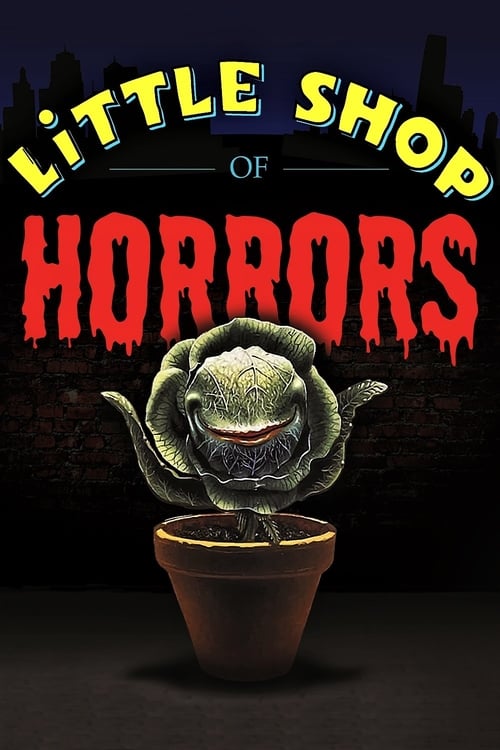
Seymour Krelborn is a nerdy orphan working at Mushnik's, a flower shop in urban Skid Row. He harbors a crush on fellow co-worker, Audrey Fulquard, and is berated by Mr. Mushnik daily. One day, Seymour finds a very mysterious unidentified plant which he calls Audrey II. The plant seems to have a craving for blood and soon begins to sing for its supper.
1960
1959
1985
1964
1982
1988

2013
1971
No reviews yet. Be the first to share your thoughts on this movie!
Use the rating form above to leave a star rating and optional review.