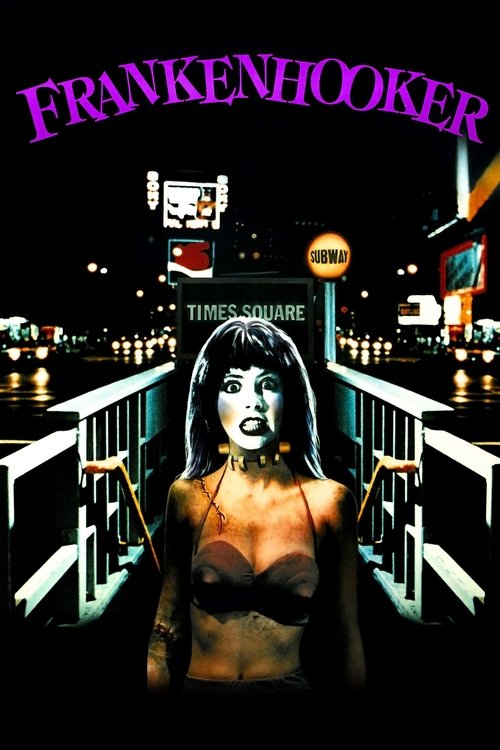
Frankenhooker
1990
No user ratings available yet
Representation score: 5.5 out of 10
Representation Score
Fair
1988
RDirector
Frank Henenlotter
Runtime
86 minutes
Average Rating
No ratings yetNew Showbiz Analysis
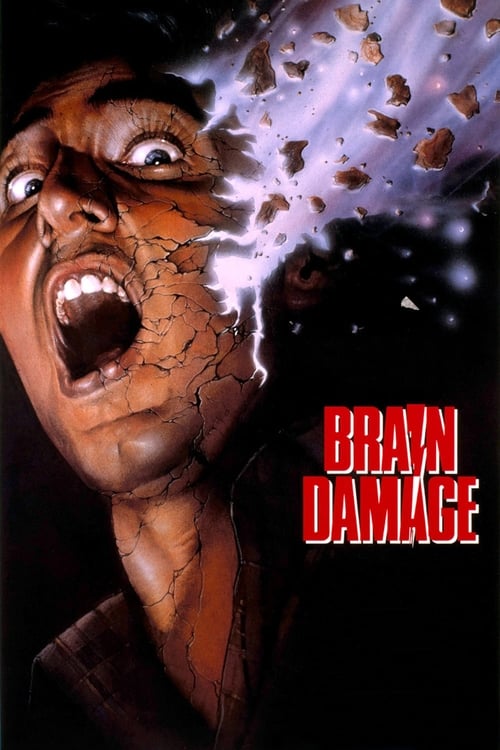
Brain Damage is a transgressive work that prioritizes psychological fragmentation and urban decay over traditional social cohesion. It functions as a gritty exploration of addiction and systemic indifference within a postmodern lens. The film's primary strength lies in its cultural subversion. It effectively deconstructs the relationship between the individual and a corrupt society, embracing a morally relative worldview that challenges established institutions. However, the film lacks depth in demographic representation. It misses opportunities to engage with LGBTQ+ themes, meaningful racial ability to act, or nuanced portrayals of disability, often using these elements as mere plot devices.
Category Breakdown
The film does not prominently feature non-straight relationships or narratives centered around queer experiences. Characters are mostly focused on the protagonist's relationship with a parasite and his immediate social circle in the city.
Female characters are primarily portrayed in the context of sex work and the film's transactional environment. While the narrative avoids traditional leader clichés, it does not actively challenge gender hierarchies.
The setting showcases a diverse, multicultural street life typical of 1980s New York. However, race is not a central narrative driver or used as a tool for exploring multiple aspects of identity.
The film excels in its critique of established social structures and Western institutions. It portrays a cynical, anti-establishment worldview where systemic failures drive the protagonist's anti-social behaviors.
Neurodivergence and altered states are explored through parasitic dependency. These elements serve horror and surreal imagery rather than offering nuanced portrayals of lived neurodivergent experiences.
Present on Screen
Limited or Absent
Official Synopsis
Brian comes under the addictive spell of a parasite with the ability to induce euphoric hallucinations in its hosts.
1990
1982
1992
1959
1990

1993
1990
1964
No reviews yet. Be the first to share your thoughts on this movie!
Use the rating form above to leave a star rating and optional review.