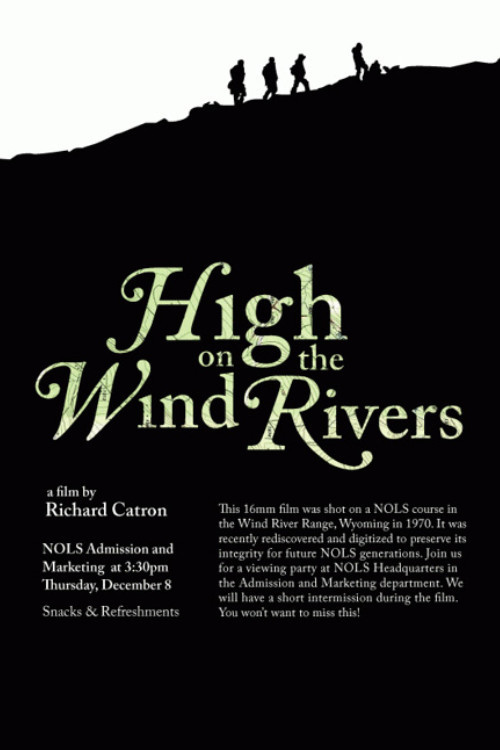
High on the Wind Rivers
1972
No user ratings available yet
Diversity score: 1.4 out of 10
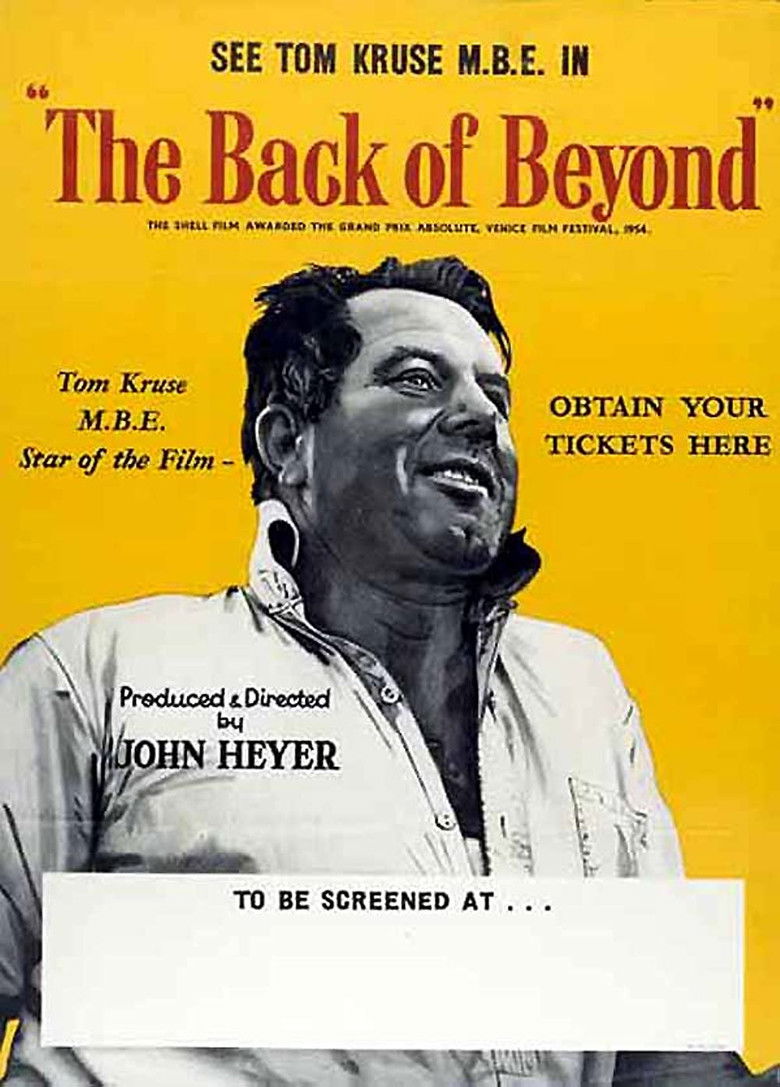
1954
GDirector
John Heyer
Runtime
65 minutes
Average Rating
No ratings yetSynopsis
This 1954 classic follows an outback mailman as he travels along the Birdsville Track.
Overall Score
Minimal
Category Breakdown
LGBTQ+ Representation
The film offers no engagement with queer narratives or non-cisnormative identities. The story focuses strictly on the mailman's physical struggle and environmental realities.
Gender Representation
Masculinity is portrayed through rugged, solitary labor and traditional survivalism. While it captures remote domestic life, it reinforces conventional mid-century gender roles.
Racial & Ethnic Diversity
The narrative is rooted in the settler-colonial experience, focusing on white workers. It lacks significant representation of Indigenous populations or non-Anglo-Saxon agency.
Religious & Cultural Diversity
The film documents the logistical realities of Australian expansion and frontier survival. It lacks modern institutional critique, focusing instead on traditionalist values of duty.
Disability Representation
There is no focus on neurodivergence or physical disability. Subjects are defined by the physical capability required to navigate the harsh outback environment.
Strengths
Areas for Improvement
AI Analysis
The Back of Beyond is a poetic documentary that prioritizes impressionistic cinematography and the relationship between humanity and a desolate landscape. Its narrative structure is a product of 1954, focusing on a singular, traditionalist experience of the Australian outback. Because the film centers on the settler-colonial experience and the endurance of a male protagonist, it lacks intersectional complexity. The human element is limited to white workers, providing little visibility for Indigenous or diverse populations. Ultimately, the work functions as a meditation on man versus nature rather than a study of social diversity, reflecting the social constraints and hierarchies of its era.
1972
1952
1934
1997

1944
1943
1953

1895

1956

1963
1946

1943
No reviews yet. Be the first to share your thoughts on this movie!
Use the rating form above to leave a star rating and optional review.