
Murder in Saint Omer
2019
No user ratings available yet
Representation score: 5.8 out of 10
Representation Score
Fair
2011
Director
Stéphane Kappes
Runtime
87 minutes
Average Rating
No ratings yetNew Showbiz Analysis
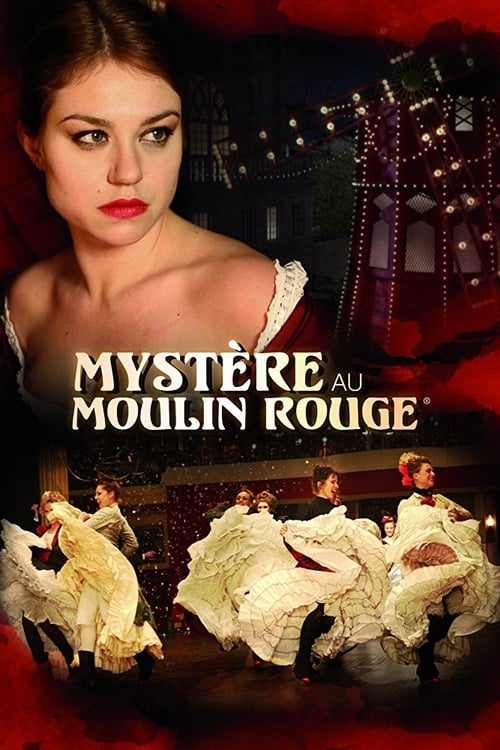
Mystery at Moulin Rouge functions as a period-specific thriller that prioritizes women's ability to drive the story. By centering Diane's quest to find her missing sister, the film avoids traditional damsel clichés, placing a woman in a position of active investigation. However, the film's diversity is limited by its historical setting. The narrative appears to adhere to the demographic and social norms of the 1890s, resulting in a lack of visible racial or ethnic variety. Ultimately, the work is a character-driven genre piece. While it provides a strong female lead, it does not appear to serve as a vehicle for broader systemic social deconstruction.
Category Breakdown
The Moulin Rouge setting historically offers a backdrop for queer subcultures. However, the narrative does not explicitly confirm the presence of LGBTQ+ characters or themes.
Diane serves as an active protagonist rather than a passive observer. Her investigation and participation in the quadrille drive the plot, centering women's ability to drive the story and autonomy.
The production likely reflects the demographic homogeneity of 1892 Paris. There is no evidence of a multi-ethnic ensemble or race-bent casting in the historical framework.
The film engages with late 19th-century social structures and urban hierarchies. It remains deeply rooted in Western tradition without explicit evidence of secularist or anti-capitalist themes.
There is no information available regarding the depiction of neurodivergence or physical disabilities within the film.
Present on Screen
Limited or Absent
Official Synopsis
In 1892 Diane arrives in Paris to search for her missing sister. To learn the fate of her sister she auditions for the quadrille at Moulin rouge.
2019

2001

2017

2019

2015

1939

1950

2022
No reviews yet. Be the first to share your thoughts on this movie!
Use the rating form above to leave a star rating and optional review.