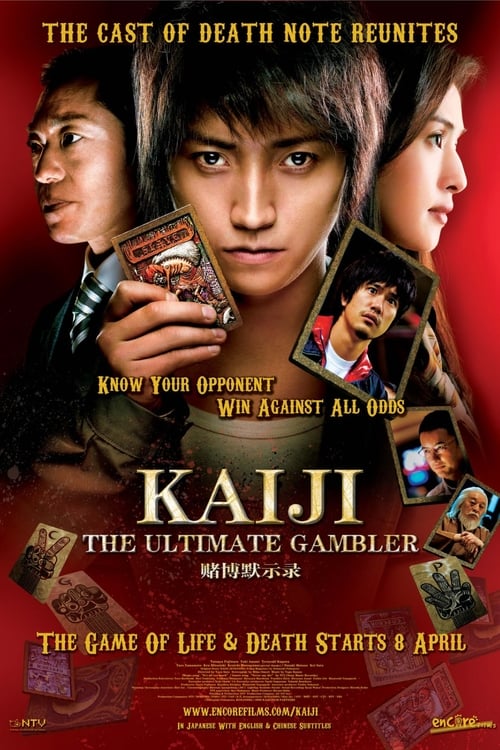
Kaiji: The Ultimate Gambler
2009
No user ratings available yet
Representation score: 5.1 out of 10

Representation Score
Fair
2011
Director
Tōya Satō
Runtime
133 minutes
Average Rating
No ratings yetNew Showbiz Analysis
Kaiji 2: The Ultimate Gambler is a specialized thriller that emphasizes a critique of societal structures over demographic diversity. While it lacks meaningful representation for women, LGBTQ+ individuals, and diverse ethnic groups, it excels in its cultural critique of capitalist systems. The film’s strength lies in its portrayal of power hierarchies as oppressive and predatory. However, this thematic depth comes at the expense of a diverse cast, resulting in a narrow, homogeneous social world. Ultimately, the work functions as a study of class struggle rather than a showcase of identity-based diversity.
Category Breakdown
The film does not include any LGBTQ+ characters or non-cisgender identities. It focuses on a traditional framework centered around straight relationships and hyper-masculinity.
The story primarily revolves around male characters, with women playing minor roles. The gambling den is portrayed as a space reserved exclusively for men.
The cast is predominantly made up of Japanese actors, reflecting a local socioeconomic context. There is no significant representation of diverse ethnic backgrounds.
The film critiques the oppressive nature of financial institutions and predatory capitalism. It portrays survivalist tactics as a necessary response to an unfair system.
There is no representation of visible or invisible disabilities. Characters are defined by their socioeconomic status and gambling abilities rather than physical or cognitive differences.
Present on Screen
Limited or Absent
Official Synopsis
3 years after the ultimate life-or-death game with Teiai Group, Kaiji was entrapped by Teiai and again back in the underground, forced to do hard labour. One day, Kaiji wins a bet to get out of the underground with 1 million yen, and promises the other workers that he will save them. But to do so, he only has 14 days and needs 200 million yen! Kaiji meets his former rival Tonegawa and learns that there is a chance to turn the tables in the game. It was a monster casino machine that will make 1 billion yen if you win...
2009

2006

2020

2018
2022

2010

2012

2005
No reviews yet. Be the first to share your thoughts on this movie!
Use the rating form above to leave a star rating and optional review.