
Kaiji 2: The Ultimate Gambler
2011
No user ratings available yet
Representation score: 4.3 out of 10
Representation Score
Fair
2009
Director
Tōya Satō
Runtime
130 minutes
Average Rating
No ratings yetNew Showbiz Analysis
Kaiji: The Ultimate Gambler is a narrow demographic thriller that emphasizes socioeconomic critique over identity-based representation. The film's strength lies in its critique of institutional power and the predatory nature of corporate structures. However, the cast lacks diversity in terms of gender and ethnicity, focusing instead on a male-dominated and ethnically homogeneous world. Ultimately, the film serves as an ideological study of class struggle, trading demographic breadth for a focused exploration of an individual's fight against an oppressive economic system.
Category Breakdown
The film focuses on a male-centric storyline and does not include non-cisgender identities or same-sex relationships. The plot centers on survivalist gambling stakes rather than LGBTQ+ themes.
Women in the film are sidelined and play minor roles in the main gambling storylines, lacking central involvement and significant influence.
The cast is predominantly Japanese, avoiding harmful stereotypes but not actively diversifying the ethnic makeup of the film.
The film effectively critiques capitalist hierarchies and predatory corporate structures. It portrays the protagonist's defiance as a reaction to systemic economic issues.
The film addresses psychological trauma and mental stress but does not give meaningful representation to characters with disabilities.
Present on Screen
Limited or Absent
Official Synopsis
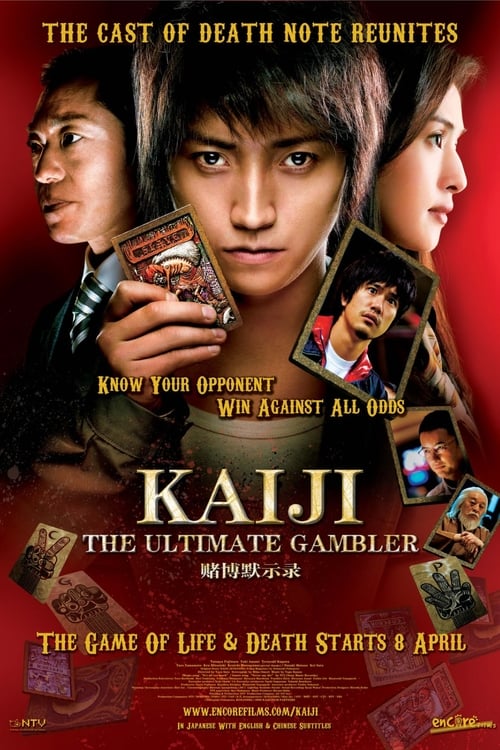
Kaiji Ito moves to Japan after graduating from high school. Unable to find a job and frustrated with society at large, Kaiji spends his days gambling, vandalizing cars, and drinking booze. Two years later and his life is no better. A debt collector named Endo arrives to collect money owed. The debt collector offers two choices to Kaiji: spend 10 years paying off his loan or board a gambling boat for one night to repay his debt & possibly make a boat load of money. Could the debt collector Endo actually be setting up Kaiji? One way or another, for Kaiji it's going to be the night of his life.
2011

2018

2013

2006

2020

2010

2005

2014
No reviews yet. Be the first to share your thoughts on this movie!
Use the rating form above to leave a star rating and optional review.