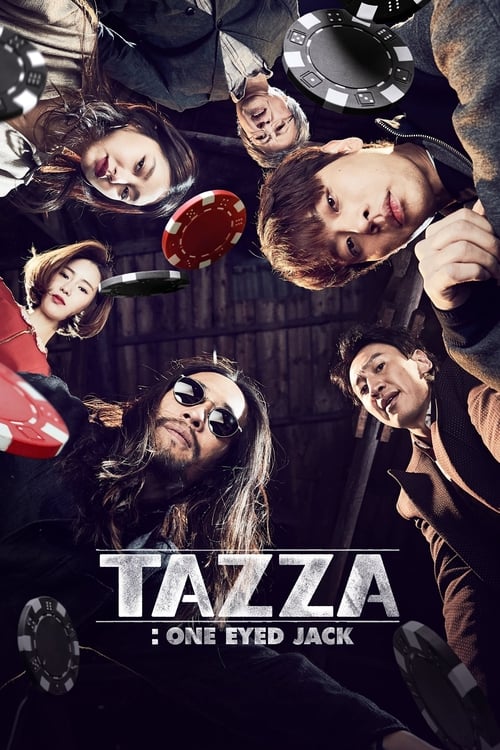
Tazza: One Eyed Jack
2019
No user ratings available yet
Representation score: 4.5 out of 10
Representation Score
Fair
2014
RDirector
Kang Hyoung-chul
Runtime
147 minutes
Average Rating
No ratings yetNew Showbiz Analysis
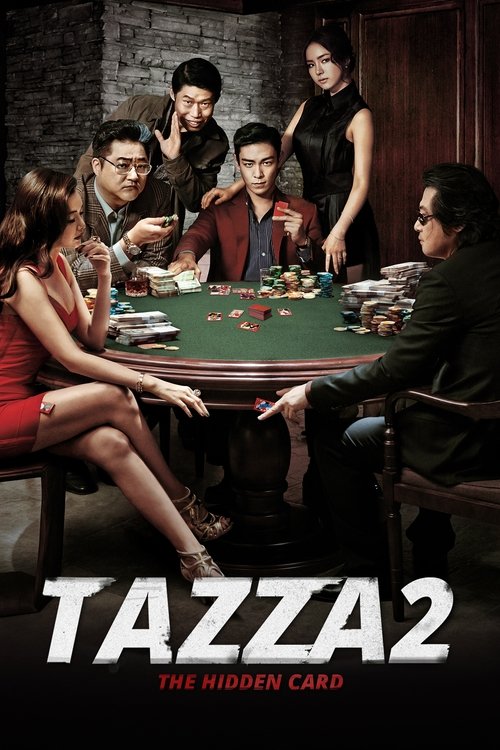
Tazza: The Hidden Card is a genre-driven crime noir that emphasizes suspense and the mechanics of greed over social representation. The film excels in its nuanced exploration of moral relativism and the corrupting influence of capitalism. However, the narrative remains traditional in its social hierarchies. It lacks any meaningful engagement with LGBTQ+ identities or disability representation, focusing instead on a narrow, male-centric worldview. While the film is culturally grounded in its South Korean setting, it does not disrupt established social norms or offer diverse perspectives beyond its specific subculture.
Category Breakdown
The film focuses on a criminal underworld that assumes everyone is straight. There are no LGBTQ+ characters or non-traditional gender identities.
The story is driven by male competition and power struggles. Female characters are mainly objects of desire or secondary figures.
The cast is ethnically uniform, reflecting the local South Korean context. It does not blend diverse ethnicities to challenge demographic norms.
The story critiques predatory capitalist structures through a sophisticated lens. It explores moral relativism as characters navigate a corrupt, high-stakes economic environment.
There is no meaningful portrayal of visible or invisible disabilities. Characters are defined by physical strength and mental acumen in gambling.
Present on Screen
Limited or Absent
Official Synopsis
Dae-gil has been skilled with his hands and has shown a strong desire for winning ever since he was a child. He will succeed his uncle and jump into the world of Tazza, risking his life in competition.
2019
2006
2000

2006

2016
2003

2012
2025
No reviews yet. Be the first to share your thoughts on this movie!
Use the rating form above to leave a star rating and optional review.