
Hadj Cheriff
1894
No user ratings available yet
Diversity score: 2.9 out of 10
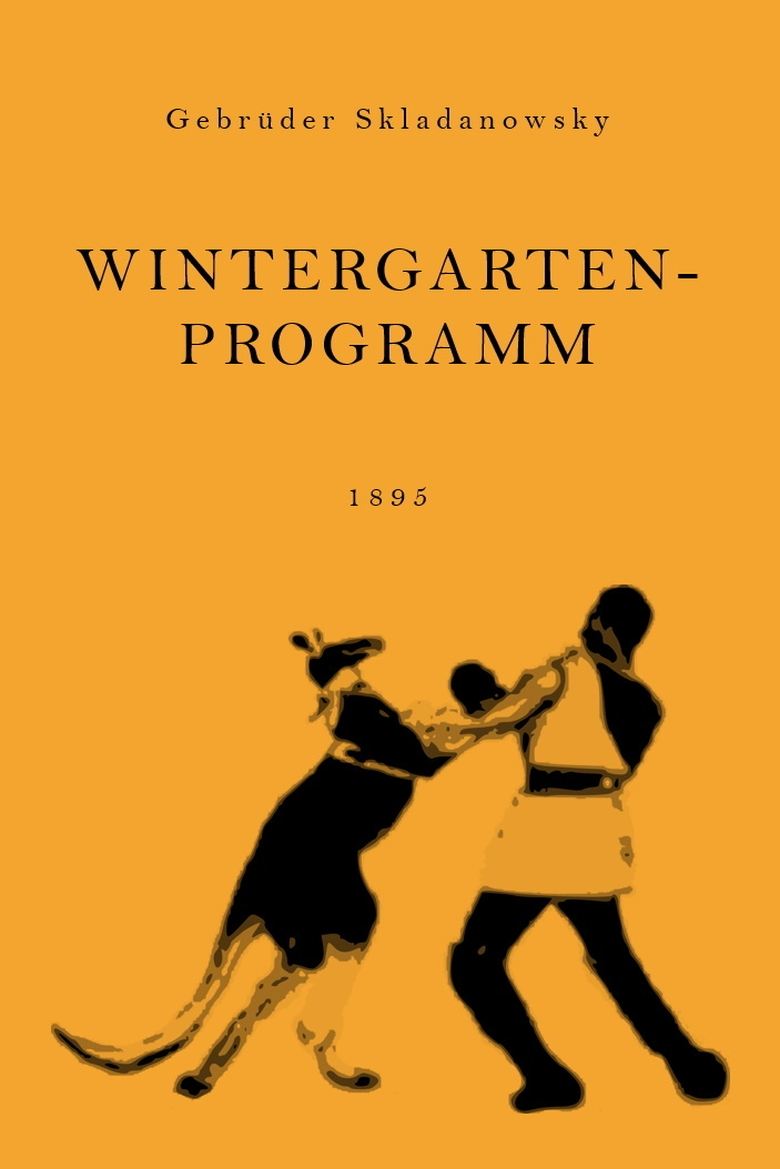
1895
Director
Max Skladanowsky
Runtime
7 minutes
Average Rating
No ratings yetSynopsis
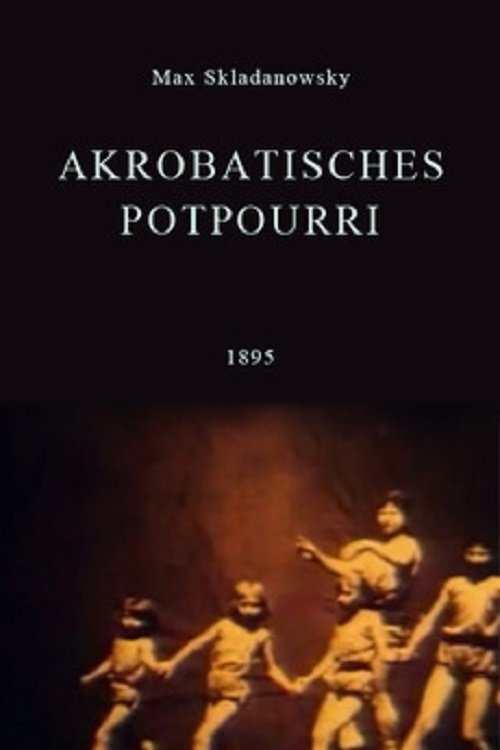
On 1 November 1895, the brothers Max and Emil Skladanowsky presented their pioneer film work and legendary Bioscop program in Berlin′s Wintergarten Theater. With live musical accompaniment, the compilation program included short film sequences with famous artists of the time: Italienischer Bauerntanz, Komisches Reck, Der Jongleur, Das boxende Känguruh, Kamarinskaja, Die Serpentintänzerin, Akrobatisches Potpourri, Ringkampf, and Apotheose, with the Skladanowsky brothers bowing to their audience.
Overall Score
Limited
Category Breakdown
LGBTQ+ Representation
The program focuses on traditional variety acts like juggling and boxing. There is no indication of non-cisnormative identities or same-sex intimacy.
Gender Representation
Female performers appear in acts like 'Die Serpentintänzerin,' but they seem to follow standard theatrical tropes. There is no evidence of gender hierarchies being disrupted.
Racial & Ethnic Diversity
The inclusion of an Italian peasant dance suggests some European ethnic variety. However, this reflects the era's ethnographic curiosity rather than intentional intersectional representation.
Religious & Cultural Diversity
The work serves as a showcase for established variety entertainment. It lacks any critique of Western institutions, religion, or capitalism.
Disability Representation
The available documentation provides no mention of performers or characters with visible or invisible disabilities.
Strengths
Areas for Improvement
AI Analysis
As a foundational piece of early cinema, *Wintergartenprogramm* functions as a historical archive of 19th-century variety performance rather than a narrative work. It captures a collection of short, observational sequences including dance, acrobatics, and physical comedy. Because the film is a compilation of acts, it lacks the character arcs or thematic depth necessary to engage with modern identity politics. The content reflects the social norms and performance structures of 1895, focusing on technical innovation and entertainment. Ultimately, the work is a seminal artifact of the Bioscop era. It documents the inception of a global visual language through traditional variety acts, though it lacks systemic subversion or progressive representation.
1894
1892
1896
1896
1896
1896
1896

1896
1896

1895
1895

1895
No reviews yet. Be the first to share your thoughts on this movie!
Use the rating form above to leave a star rating and optional review.