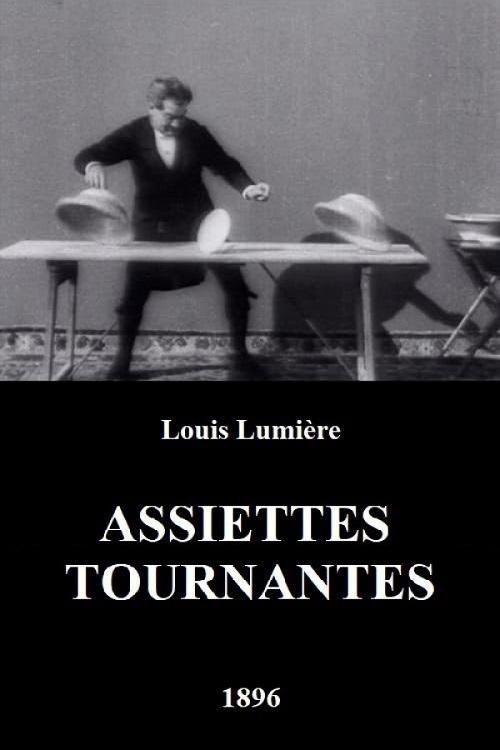
Assiettes tournantes
1896
No user ratings available yet
Diversity score: 0.0 out of 10
1896
Director
Louis Lumière
Runtime
1 minutes
Average Rating
No ratings yetSynopsis
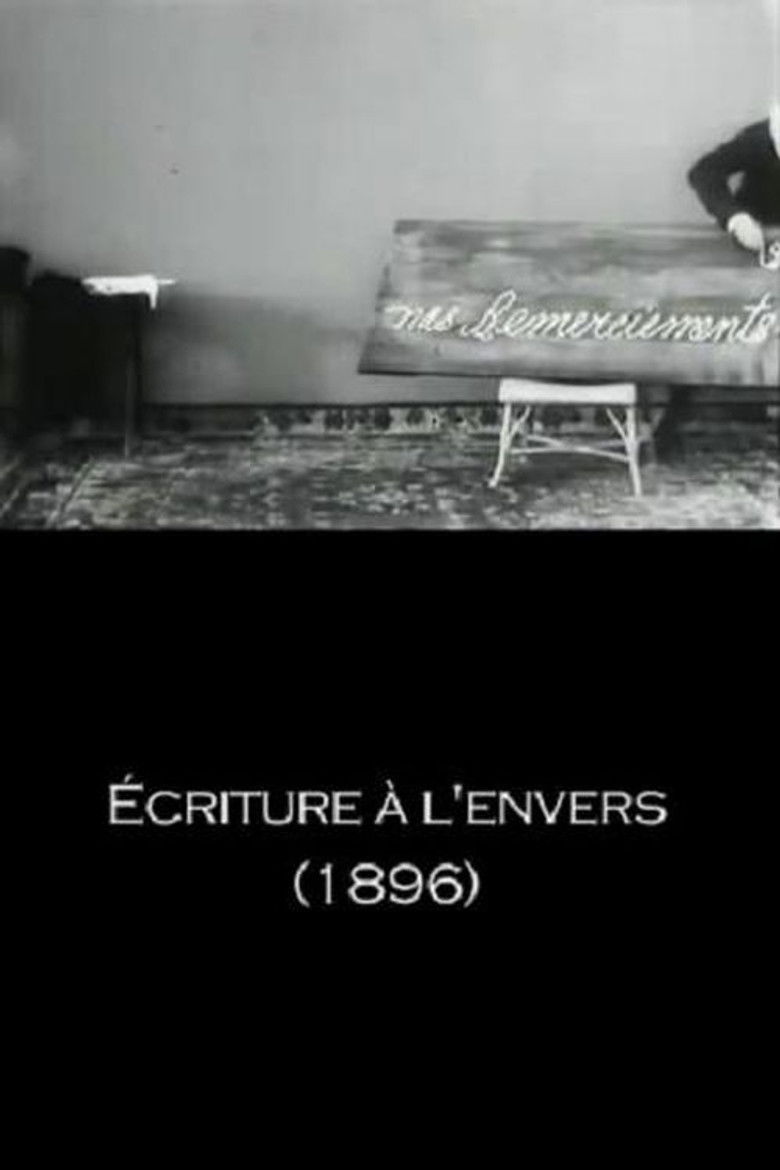
Félicien Trewey performs a trick by writing backwards the words "Ladies and gentlemen, my grateful thanks" on a board.
Overall Score
Minimal
Category Breakdown
LGBTQ+ Representation
The film functions as a brief demonstration of a linguistic trick. It contains no depictions of romantic pairings, gender non-conformity, or queer identity.
Gender Representation
The performance centers on a male subject, Félicien Trewey. While the written text acknowledges a gendered audience, the film lacks female agency or subversion of hierarchies.
Racial & Ethnic Diversity
The film features a singular performer in a likely European context. There is no evidence of a diverse cast or the blending of different ethnic identities.
Religious & Cultural Diversity
The work operates within a framework of formal performance and polite address. It adheres to the established social norms of the late 19th century.
Disability Representation
There is no depiction of neurodivergence, physical disability, or sensory impairment. The focus remains entirely on the performer's cognitive and motor skills.
Strengths
Areas for Improvement
AI Analysis
As a foundational documentary short from 1896, *Writing Backwards* serves as a technical demonstration of a singular skill rather than a narrative vehicle. Because the film focuses on Félicien Trewey's ability to perform mirror-writing, it lacks the character depth or narrative architecture required to explore complex social identities. The work reflects the homogeneous demographic presentation typical of early cinematic captures. It functions as a standard exhibition of skill within the social norms of the era, offering little room for intersectional representation or the subversion of systemic power dynamics.
1896
1895
1896
1895

1895
1896
1895
1895
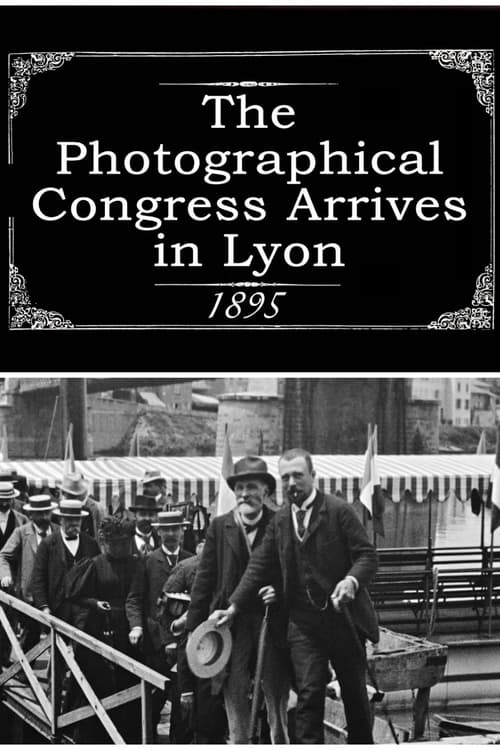
1895
1896
1896
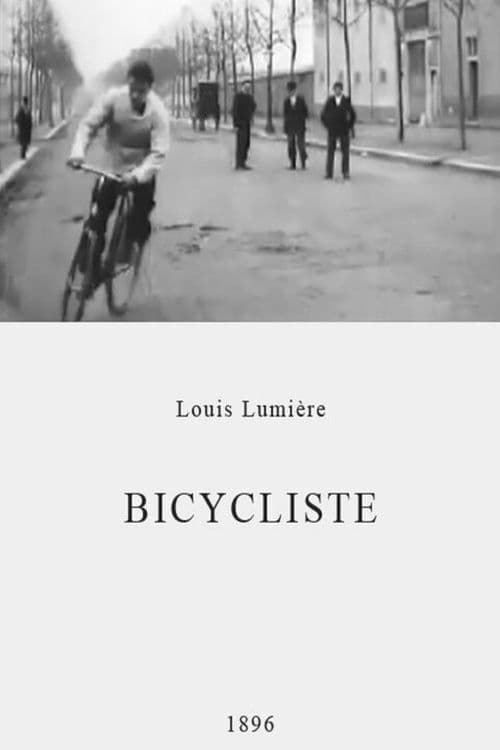
1896
No reviews yet. Be the first to share your thoughts on this movie!
Use the rating form above to leave a star rating and optional review.