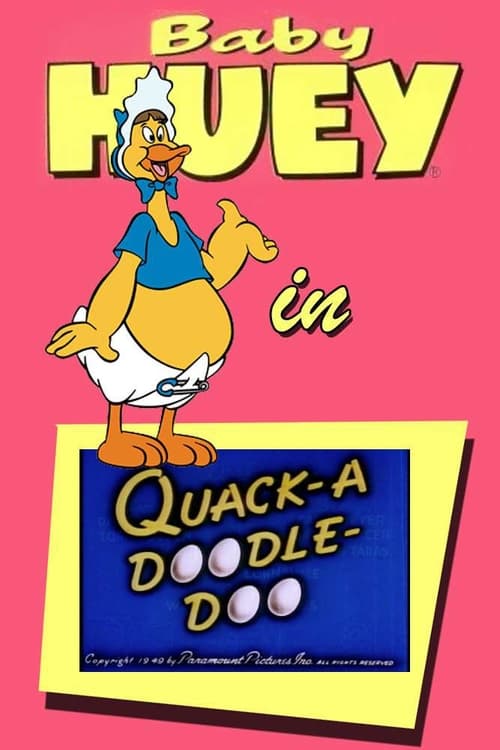
Quack-a Doodle-Doo
1950
No user ratings available yet
Representation score: 2.4 out of 10
Representation Score
Minimal
1951
ApprovedDirector
Izzy Sparber
Runtime
6 minutes
Average Rating
No ratings yetNew Showbiz Analysis
One Quack Mind is a standard mid-century animated short that relies heavily on physical comedy clichés. The narrative is localized, focusing almost entirely on a slapstick battle of wits and strength between Baby Huey and a fox disguised as a babysitter. The film lacks meaningful representation of multiple aspects of identity. Because the characters are anthropomorphic animals, the story exists in a vacuum of traditional human social structures, making it difficult to find diverse human archetypes or social commentary. Ultimately, the film does not challenge social hierarchies. Instead, it resolves its conflict through a 'might makes right' approach, where the protagonist asserts physical dominance to overcome an antagonist.
Category Breakdown
The film focuses on a slapstick conflict between Baby Huey and a fox. There is no evidence of characters with non-conforming gender identities or narratives addressing the assumption that everyone is straight.
The story centers on a power struggle between a child figure and a caregiver. While the babysitter role is traditionally gendered, the fox character obscures human gender hierarchies.
The film utilizes anthropomorphic animal characters. There is no evidence of diverse casting or the presence of non-white character archetypes.
The narrative depicts a breakdown of the traditional caregiver/child hierarchy. Huey asserts dominance through physical violence rather than critiquing systemic institutions.
There is no evidence of characters possessing visible or invisible disabilities, neurodivergence, or chronic illness.
Present on Screen
Limited or Absent
Official Synopsis
Dumb and overgrown Baby Huey finds himself left to the untender mercies of a fox disguised as a baby sitter. Hue also turns out to be one tough duck when he discovers his new baby sitter likes to play rough. So does Huey, who proceeds to beat the stuffing out of the fox.
1950
1957
1955
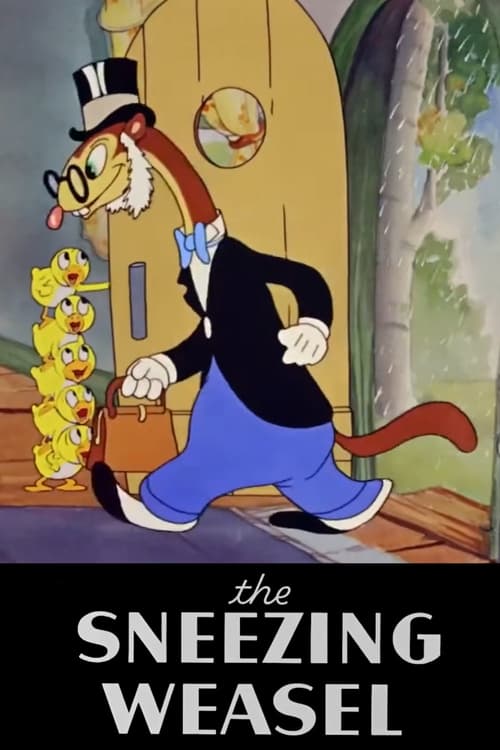
1938
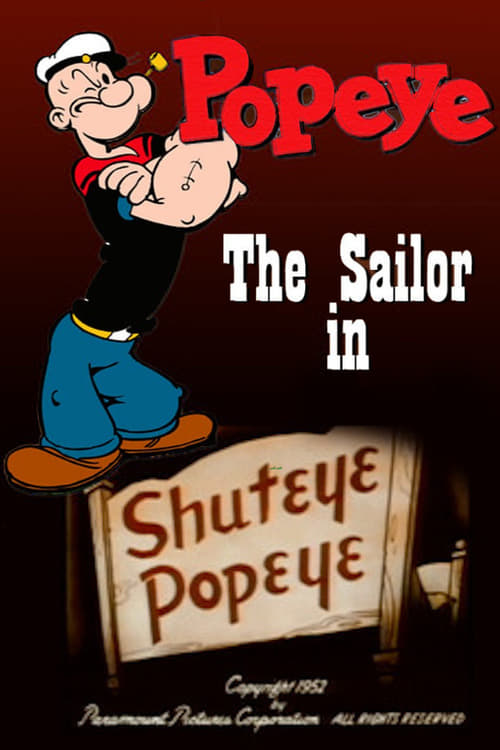
1952
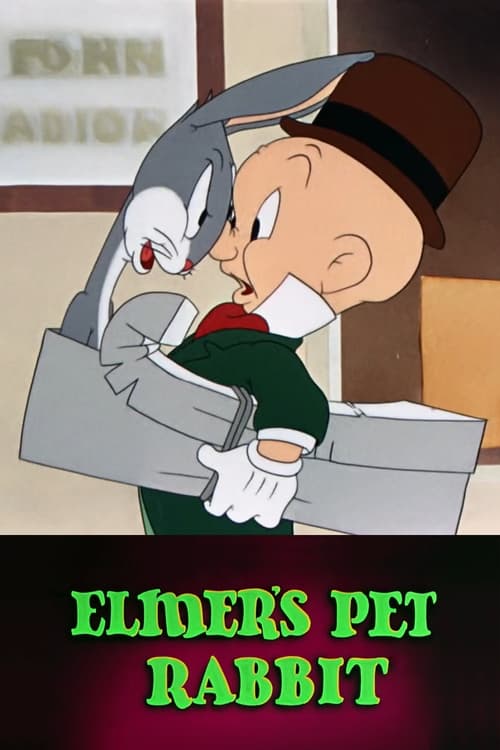
1941
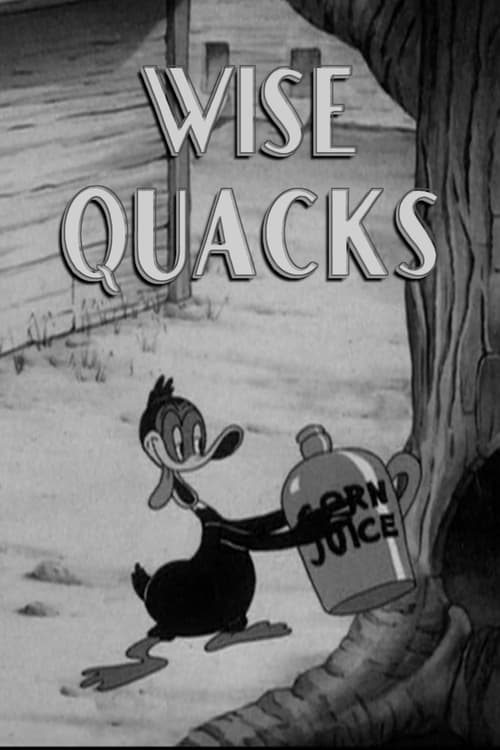
1939
1953
No reviews yet. Be the first to share your thoughts on this movie!
Use the rating form above to leave a star rating and optional review.