The Pointer
1939
No user ratings available yet
Diversity score: 1.5 out of 10
1939
NRDirector
Clyde Geronimi
Runtime
8 minutes
Average Rating
No ratings yetSynopsis
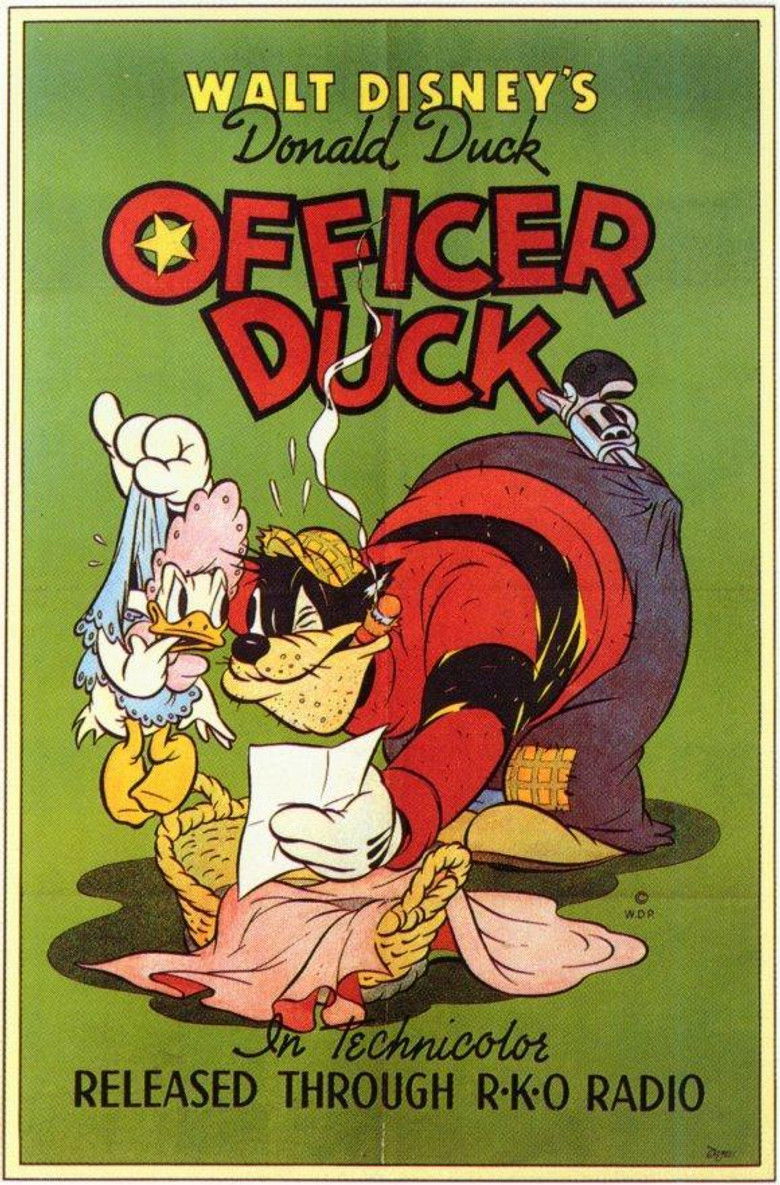
Officer Donald Duck (Officer #13) is assigned to apprehend a criminal named Tiny Tom. Donald assumes by the name that he'll be a pushover but when he reaches Tom's hideout, he discovers "Tiny" Tom is actually a hulking Pete who immediately disposes of Donald. Donald decides to use strategy and is able to reenter Pete's house disguised as a baby who Pete surprisingly warms to. When Pete discovers Donald, he chases him down the street but is finally apprehended by Donald's marching police colleagues who make the arrest.
Overall Score
Limited
Category Breakdown
LGBTQ+ Representation
The film centers on a heteronormative conflict between a law enforcement officer and a criminal. There is no presence of queer subtext or non-cisnormative identities.
Gender Representation
The story exists in a gendered vacuum, focusing exclusively on male-coded characters. It reinforces traditional masculine hierarchies through themes of physical dominance and authority.
Racial & Ethnic Diversity
The use of anthropomorphic animals provides a neutral medium, yet the film lacks any intentional intersectional casting. The character pool remains homogeneous and typical of the era.
Religious & Cultural Diversity
The narrative reinforces Western institutional values by centering on the efficacy of the police force. It validates the stability of law and order as a positive societal structure.
Disability Representation
No visible or invisible disabilities are portrayed. The characters function as archetypal comedic figures rather than explorations of physical or neurodivergent identities.
Strengths
Areas for Improvement
AI Analysis
Officer Duck is a quintessential product of its era, relying on established slapstick tropes to drive its narrative. The film functions as a traditional comedic short that reinforces existing social hierarchies and institutional authority rather than challenging them. The character dynamics are strictly defined by traditional archetypes, focusing on a singular conflict between law enforcement and criminality. This approach results in a narrow narrative scope that lacks intersectional depth or diverse representation. Ultimately, the film serves to validate the stability of state authority. By presenting the triumph of the police force as a comedic resolution, it upholds conventional mid-20th-century societal structures.
1939
1941
1943
1940
1941
1948
1951
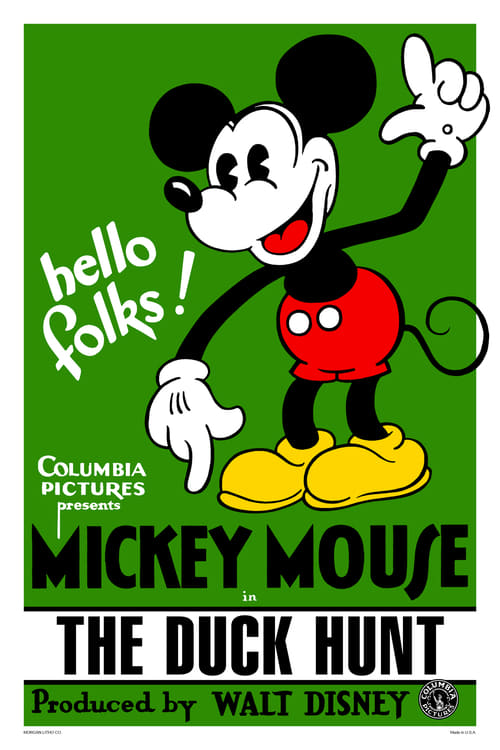
1932
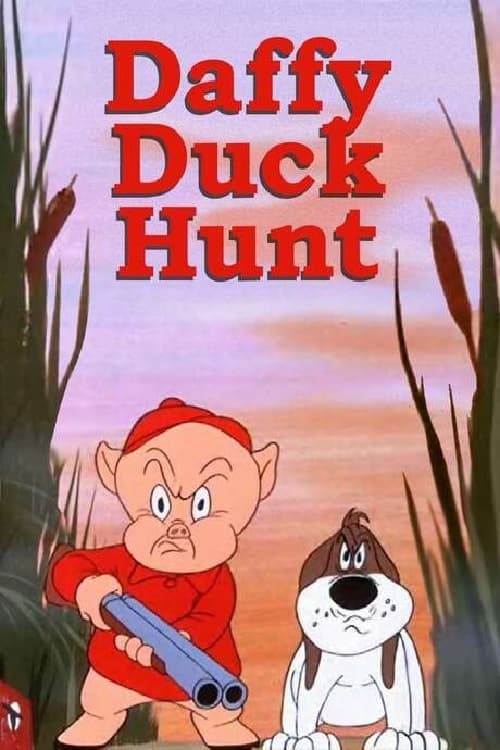
1949
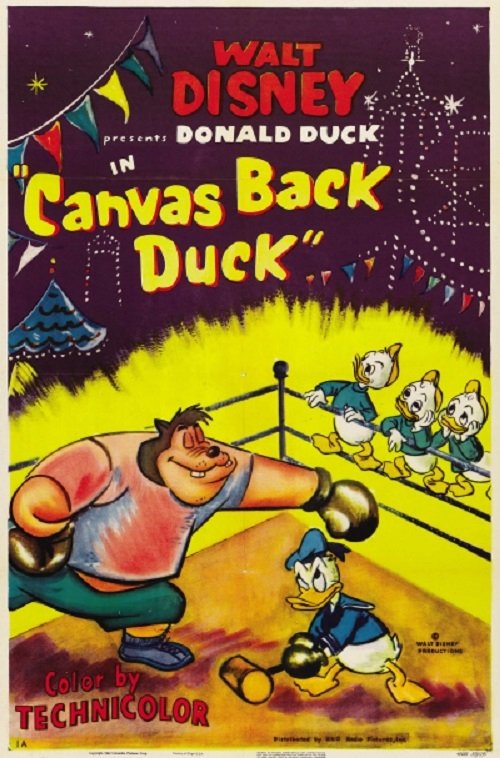
1953
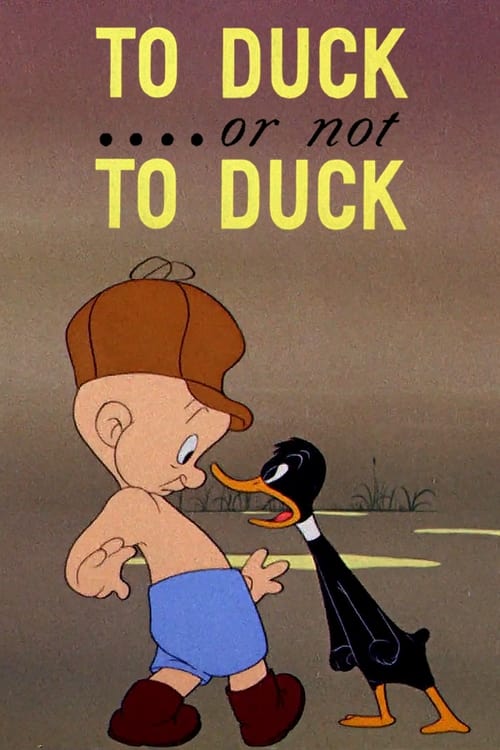
1943
1941
No reviews yet. Be the first to share your thoughts on this movie!
Use the rating form above to leave a star rating and optional review.