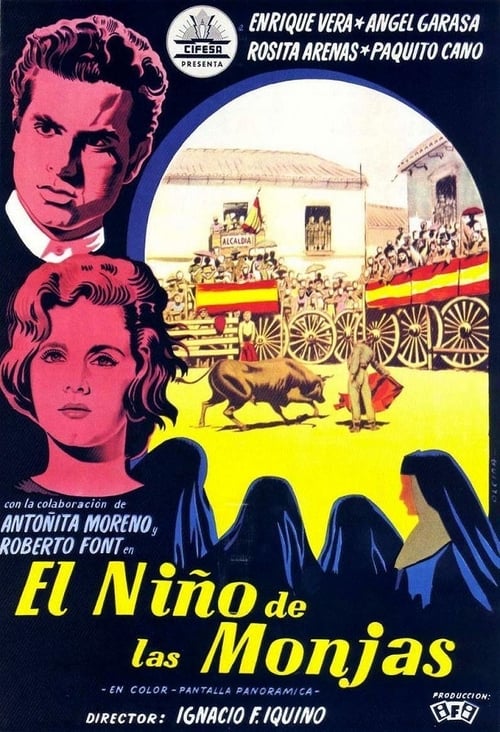
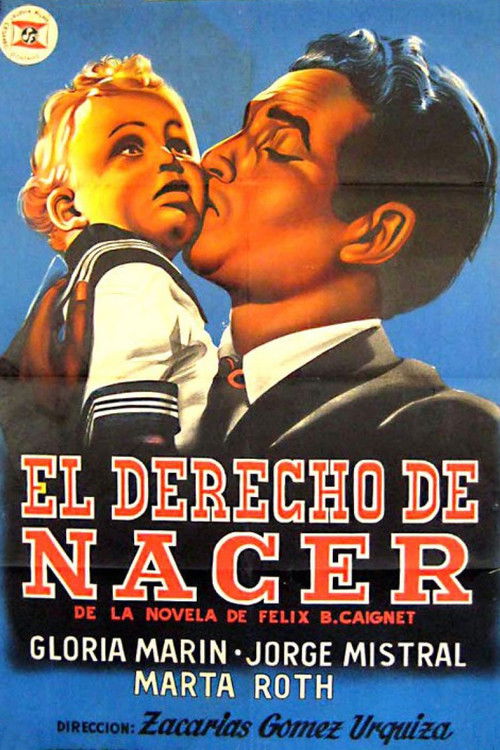
El niño de las monjas
1959
No user ratings available yet
Representation score: 1.7 out of 10
Representation Score
Minimal
1952
Director
Zacarías Gómez Urquiza
Runtime
111 minutes
Average Rating
No ratings yetNew Showbiz Analysis
This melodrama functions as a study of class rigidity and the social consequences of reproductive rights. It relies heavily on traditional clichés of honor and religious morality common to its era. The film's strength lies in its disruption of social hierarchies by centering a character of color as a moral agent. This provides a layer of social commentary that transcends simple melodrama. However, the work remains deeply conservative. It reinforces traditional domesticity and views social transgressions through a lens of moral consequence rather than systemic critique.
Category Breakdown
The film operates within a framework that assumes everyone is straight or cisgender. There is no evidence of LGBTQ+ identities or queer subtext.
The narrative adheres to mid-century gender roles, focusing on maternal sacrifice and female reputation. While the female protagonist drives the emotional core, her role is constrained by patriarchal structures.
The film provides a nuanced depiction of racial dynamics through Dolores, a Black maid. Her role as a pivotal moral agent offers a significant departure from homogeneous casting.
The plot is deeply rooted in traditional Western and religious morality. It emphasizes social standing and the preservation of the traditional family unit.
There is no significant evidence regarding the portrayal of physical or neurodivergent disabilities.
Present on Screen
Limited or Absent
Official Synopsis
In Santiago de Cuba in the early 1950s, history begins. A young woman of high society becomes pregnant with a false love, her father orders his black maid (Dolores) to kill the baby (Alberto), but she flees to Havana where Alberto becomes a renowned doctor.
1959

1929
1960

1962

1947
1920

1949

1941
No reviews yet. Be the first to share your thoughts on this movie!
Use the rating form above to leave a star rating and optional review.