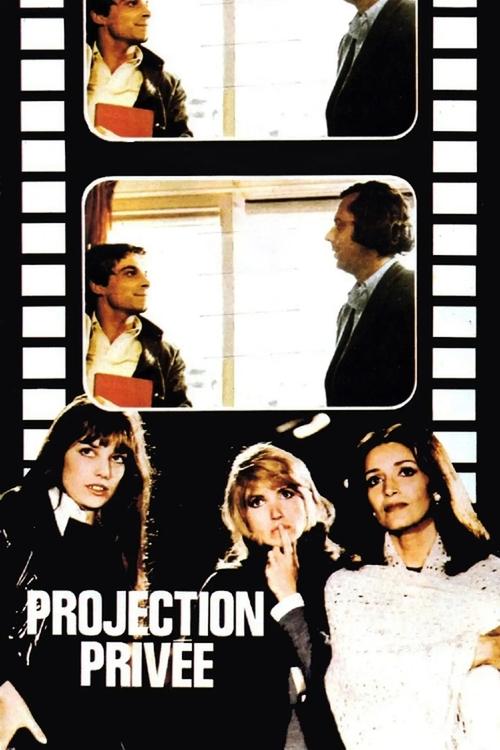
Private Screening
1973
No user ratings available yet
Representation score: 4.5 out of 10
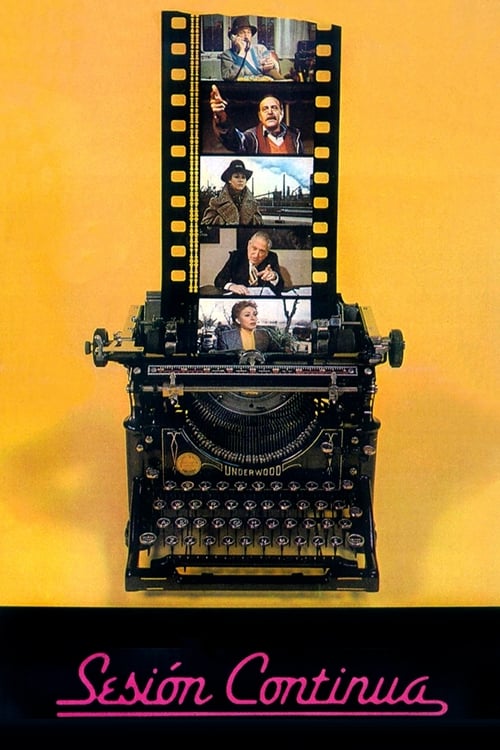
Representation Score
Minimal
1984
Director
José Luis Garci
Runtime
115 minutes
Average Rating
No ratings yetNew Showbiz Analysis
The film is a traditional character study focusing on the inner world of filmmakers. It emphasizes the internal obsessions of its male protagonists over broader social or identity-based themes. While the film provides a nuanced look at the sacrifices made in the name of creativity, it adheres to conventional social norms. Ultimately, it remains within the established demographic and social norms of its time.
Category Breakdown
The story focuses on the professional relationship between two male creators, without showing any non-straight or non-cisgender identities or same-sex intimacy.
Male characters hold the main roles, while women are portrayed as secondary figures. Female characters are sidelined or abandoned due to the male characters' creative pursuits.
The film is set in Madrid and shows a largely homogeneous social circle. It does not include diverse ethnic backgrounds or multi-layered casting.
The film explores the tension between art and social responsibilities. It depicts the abandonment of family and religion as a natural result of individualistic artistic pursuits.
There are no prominent depictions of physical or neurodivergent disabilities. Characters are shown as able-bodied middle-class professionals.
Present on Screen
Limited or Absent
Official Synopsis
Director José Luis Garci has turned his camera inward on filmmakers and screenwriters to portray them as so self-absorbed in the creative process that there is no other world, no other human relationship that can compete. As José (Adolfo Marsillach) and Federico (Jesus Puente) work together on a new screenplay, their interactions with their family (José's teen daughters, Federico's wife) disappear under the all-consuming task of creation. The daughters give up and go off on their own, and the wife joins a convent while Federico barely notices. And when the producer is interrupted by profound grief at the sudden death of his older son, he almost automatically returns to thinking about the film project when the funeral has ended. Garci honors many great directors at the beginning of this film, and the film continues to play out as an elaboration on this homage -- an illustration both of the dedication and the cost of filmmaking, no judgments given.
1973
1973
2012
1979

1984
2009
2019
1989
No reviews yet. Be the first to share your thoughts on this movie!
Use the rating form above to leave a star rating and optional review.