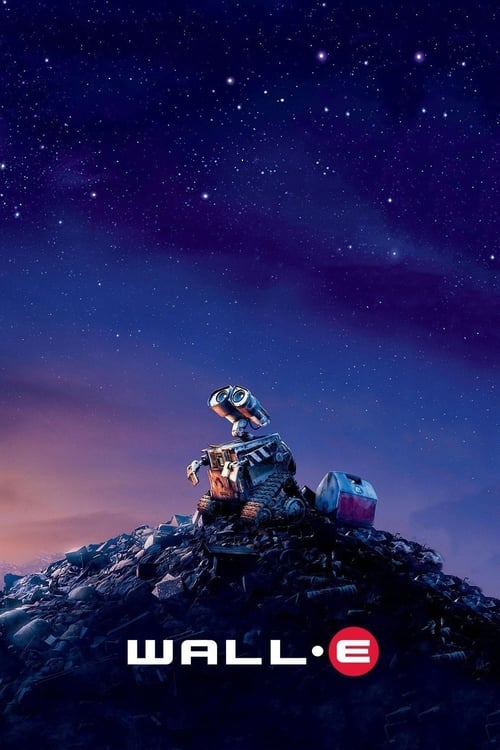
WALL·E
2008
No user ratings available yet
Representation score: 5.8 out of 10

Representation Score
Limited
1999
PGDirector
Brad Bird
Runtime
86 minutes
Average Rating
No ratings yetNew Showbiz Analysis
The Iron Giant is a sophisticated science-fiction drama that prioritizes philosophical depth over genre clichés. Its progressive value comes from its intellectual challenge to authority rather than demographic variety. By portraying the state's aggression as irrational, the film rises above typical family entertainment. While the historical setting restricts racial and LGBTQ+ representation, the film excels in its critique of systemic paranoia. It swaps the heroic state archetype with a framework of individual choice and moral relativism. Ultimately, the film's strength lies in its exploration of ability to act. It uses a giant machine to delve into complex themes of identity and the rejection of deterministic programming.
Category Breakdown
The film does not include any LGBTQ+ characters or explore non-straight relationships. The 1957 setting is portrayed through a traditional lens without any hints of queer subtext.
Annie Hughes challenges mid-century gender roles as a capable, independent single mother. While military figures embody patriarchal authority, the story emphasizes female leadership and emotional intelligence.
The cast mirrors the demographic limitations of 1957 Maine. Though predominantly homogeneous, the film steers clear of harmful racial stereotypes, focusing instead on socioeconomic class and the Giant's otherness.
The narrative critiques the Cold War military-industrial complex and state-sponsored paranoia. It highlights individual moral decision-making over institutional mandates through the theme of choosing one's identity.
The film does not feature characters with visible or invisible disabilities as central plot elements.
Present on Screen
Limited or Absent
Official Synopsis
In the small town of Rockwell, Maine in October 1957, a giant metal machine befriends a nine-year-old boy and ultimately finds its humanity by unselfishly saving people from their own fears and prejudices.
2008
1985

2002

2007
2002
2007
2009
1973
No reviews yet. Be the first to share your thoughts on this movie!
Use the rating form above to leave a star rating and optional review.