Spirit Untamed
2021
No user ratings available yet
Representation score: 3.0 out of 10
Representation Score
Limited
2002
GDirector
Kelly Asbury, Lorna Cook
Runtime
83 minutes
Average Rating
No ratings yetNew Showbiz Analysis
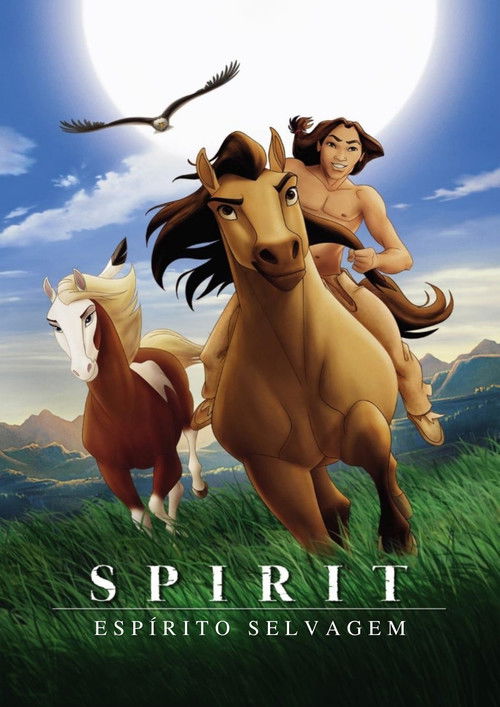
Spirit: Stallion of the Cimarron is a traditional adventure drama that finds its depth through thematic subversion rather than demographic variety. While the human cast remains largely conventional and historically homogeneous, the film avoids the typical celebratory clichés of Western expansion. By centering the narrative on a non-human perspective, the film critiques the concept of manifest destiny. It frames the encroachment of military institutions as a struggle for autonomy against systemic control. Ultimately, the film's progressive value lies in its resistance to institutional hegemony, even as it maintains standard gender roles and lacks diverse human representation.
Category Breakdown
The story focuses entirely on the instinctual and biological bonds of the horses. There are no representations of LGBTQ+ identities or same-sex romantic dynamics among the characters.
Human characters follow traditional 19th-century archetypes. While the relationship between Spirit and Rain offers a nuanced equine dynamic, Rain primarily functions as a traditional romantic interest.
The human cast reflects a homogeneous depiction of the American frontier, consisting mostly of settlers and US Cavalry soldiers. The film lacks intentional casting that includes diverse ethnic perspectives.
The film critiques Western expansionism by framing the US Cavalry as a force that disrupts natural sovereignty. It portrays institutional domestication as an infringement on individual liberty.
There are no central depictions of physical or neurodivergent disabilities within the primary characters.
Present on Screen
Limited or Absent
Official Synopsis
A captured mustang remains determined to return to his herd no matter what.
2021

2005
2006

1979

1981
2021
2002
1994
No reviews yet. Be the first to share your thoughts on this movie!
Use the rating form above to leave a star rating and optional review.