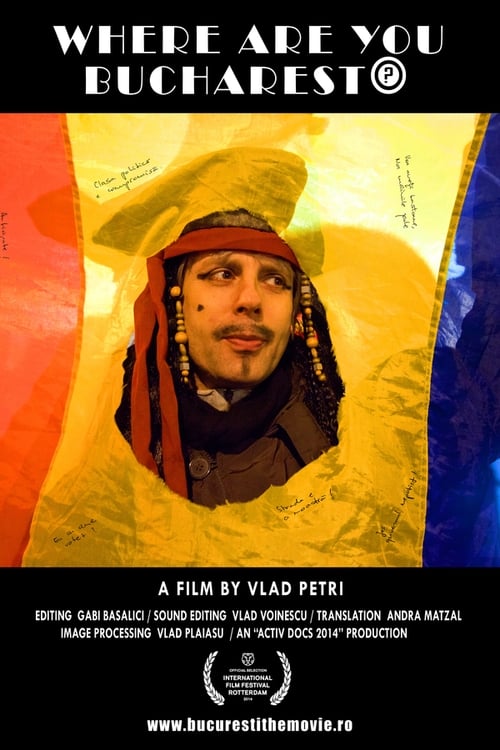
Where are you Bucharest?
2014
No user ratings available yet
Representation score: 4.5 out of 10

Representation Score
Fair
2012
Director
Lucile Chaufour
Runtime
78 minutes
Average Rating
No ratings yetNew Showbiz Analysis
East Punk Memories stands as a sociopolitical critique that emphasizes subcultural ability to act over state-sanctioned narratives. It excels at deconstructing institutional power and exploring ideological confusion following the fall of the Berlin Wall. While the film lacks explicit demographic diversity regarding race and LGBTQ+ identities, it delves into the lived experiences of those on the margins. The focus remains on the tension between historical heritage and shifts in the market economy. Ultimately, the documentary offers a nuanced, non-conformist view of historical transition, though it is geographically and ethnically specific to the Hungarian experience.
Category Breakdown
The film doesn't explicitly address LGBTQ+ issues, but the punk subculture's non-conformity hints at themes of gender non-conformity and social disruption.
The documentary uses a female perspective to explore historical transitions. By highlighting testimonies from a subculture that challenges social hierarchies, it disrupts traditional narratives of state stability.
The cast is ethnically uniform, focusing on the Hungarian population. The film uses punk culture as a metaphor for those on the periphery of the dominant national identity.
The narrative critiques socialist heritage and neoliberal capitalism. It deconstructs traditional institutional frameworks, presenting political ideologies as ambiguous and complex.
There is no clear depiction of physical or neurodivergent disabilities in the film.
Present on Screen
Limited or Absent
Official Synopsis
In the late 80's, the filmmaker shot with a group of punks who were struggling with the communist regime. 20 years later, she comes back and asks them how do they see life in Hungary before and after the fall of the Berlin wall? Their testimonies help us understand how the market economy has put the Hungarian population in an ambivalent situation. With a liberal left-wing dismantling the socialist heritage and a social right-wing reverting to nationalism, the traditional line between the Right and the Left has been blurred. What remains is an ideological confusion that we all have to face.
2014

2013
1993
2015
2012

1994
2009
1992
No reviews yet. Be the first to share your thoughts on this movie!
Use the rating form above to leave a star rating and optional review.