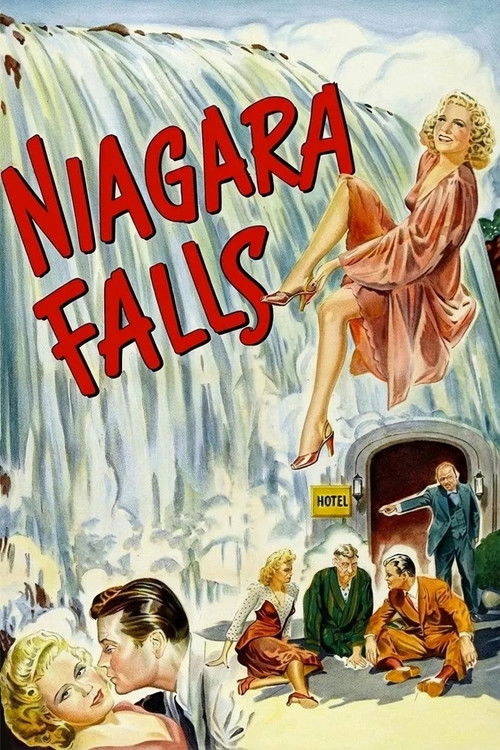
Niagara Falls
1941
No user ratings available yet
Diversity score: 2.1 out of 10
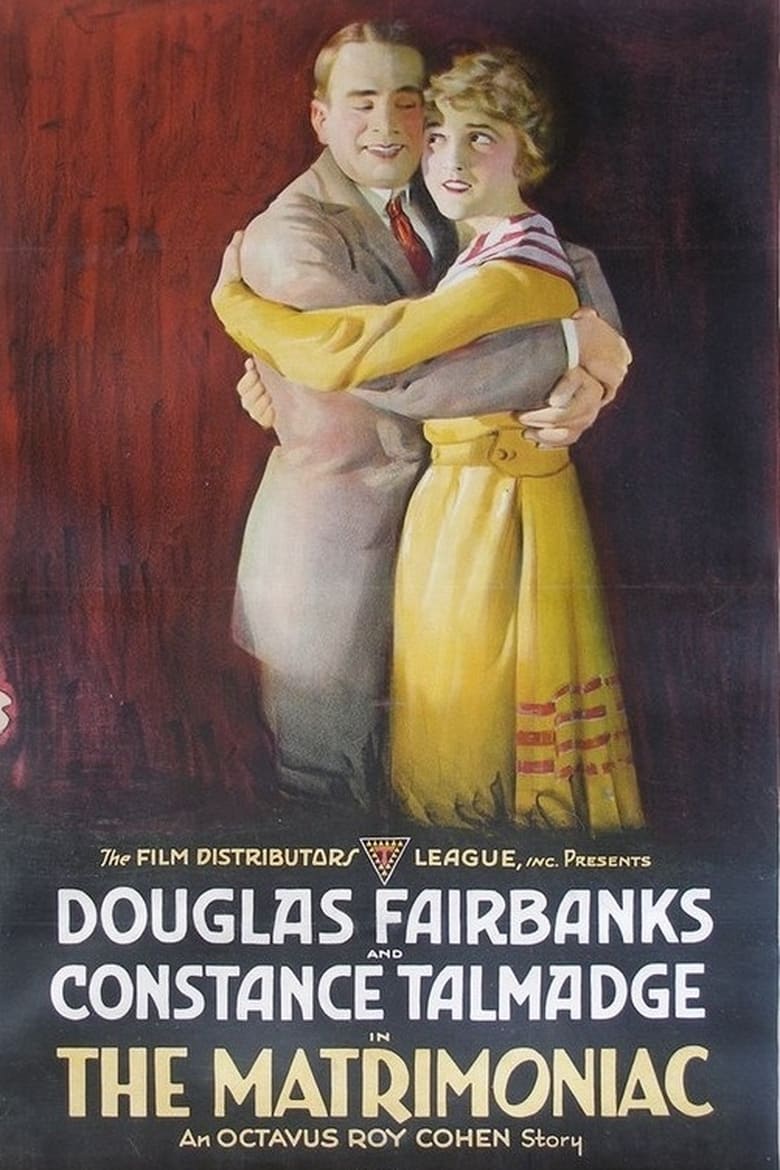
1916
Director
Paul Powell
Runtime
46 minutes
Average Rating
No ratings yetSynopsis
A young couple attempts to elope, with the bride's irate father in hot pursuit. The train stops briefly and the young man dashes off to find a minister, but before he can get himself and the minister onto the train, it leaves, carrying his bride-to- be away. Now the young man, minister in tow, pursues his bride while her father and a horde of lawmen pursue them both.
Overall Score
Minimal
Category Breakdown
LGBTQ+ Representation
The film centers on a traditional heterosexual romance. There is no evidence of non-cisnormative identities or any critique of heteronormativity.
Gender Representation
The story relies on patriarchal dynamics, featuring an irate father and a bride as an object of pursuit. While the bride shows agency by eloping, the plot remains driven by male characters.
Racial & Ethnic Diversity
The film likely reflects the homogeneous casting standards of 1916. There is no indication of diverse casting or ethnic exploration within the narrative.
Religious & Cultural Diversity
The plot reinforces Western social institutions like marriage and the role of the minister. It seeks to resolve conflict through the re-establishment of social and legal norms.
Disability Representation
The narrative contains no mention of characters with visible or invisible disabilities. There is no engagement with neurodivergence or physical impairment.
Strengths
Areas for Improvement
AI Analysis
The Matrimaniac is a classic silent-era slapstick comedy that adheres strictly to the social hierarchies of 1916. The narrative is built around conventional archetypes, such as the eloping lovers and the pursuing patriarch, which prioritize situational irony over social commentary. Because the film functions as a chase narrative, it reinforces traditional structures of gender and law. The conflict is driven by the disruption of the family unit and the subsequent pursuit by authority figures, suggesting a worldview rooted in maintaining established social orders. Ultimately, the film lacks any discernible attempt to subvert or explore diverse identities. It remains a product of its time, focusing on kinetic physical comedy rather than intersectional character development.
1941
1896
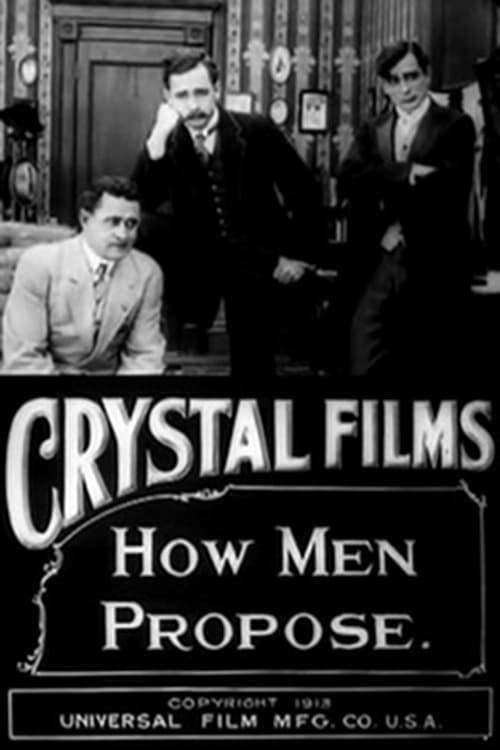
1913
1932
1965
1954
No reviews yet. Be the first to share your thoughts on this movie!
Use the rating form above to leave a star rating and optional review.