
Strike
1925
No user ratings available yet
Diversity score: 4.6 out of 10
1990
Director
Lee Eun, Jang Dong-hong, Chang Youn-hyun, Lee Jae-gu
Runtime
105 minutes
Average Rating
No ratings yetSynopsis
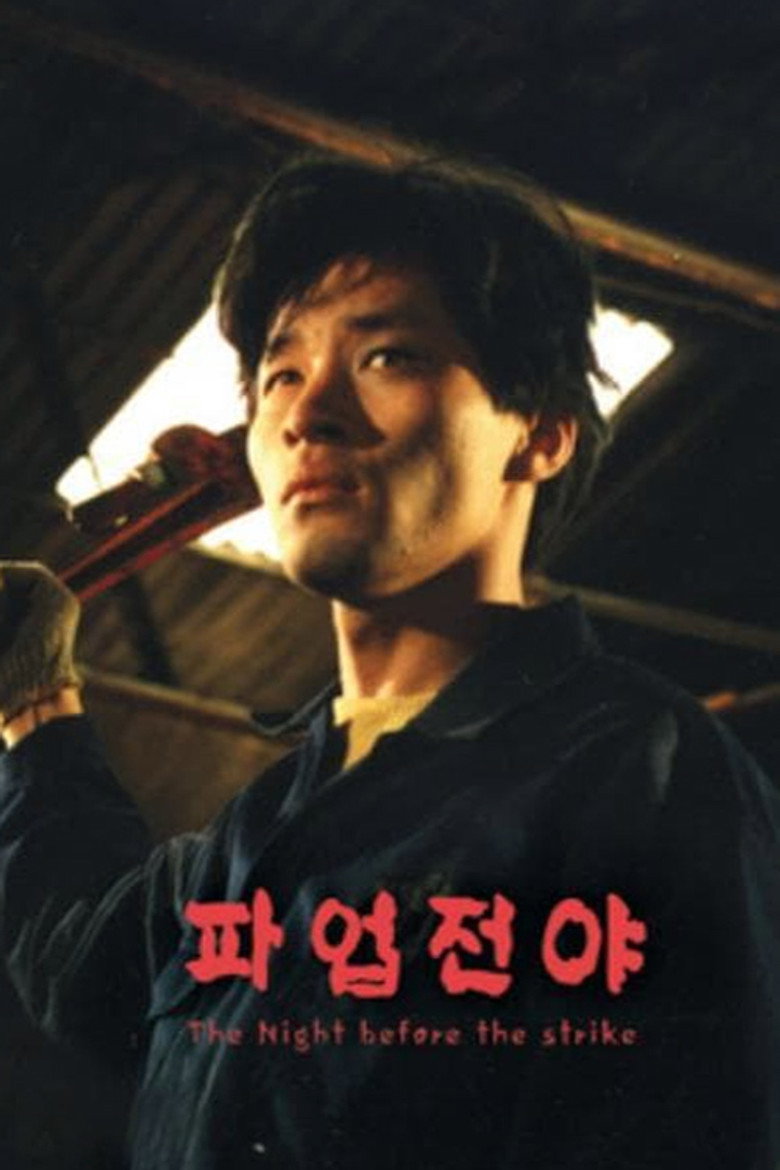
There are 200 miserably impoverished people working in the Dongseong Metalworks Factory. JU Wan-ik is introduced to the forging team as a new member of the team and they all go drinking together to welcome him.
Overall Score
Fair
Category Breakdown
LGBTQ+ Representation
The film lacks explicit evidence of LGBTQ+ characters or non-heteronormative narratives. The focus remains on the socioeconomic plight of factory workers.
Gender Representation
The story centers on a male-dominated forging team within an industrial setting. There is no specific evidence of female agency or women holding positions of authority.
Racial & Ethnic Diversity
As a South Korean production, the cast is expected to be ethnically homogeneous. It functions as a localized exploration of domestic class identity.
Religious & Cultural Diversity
The film excels in its critique of power dynamics between labor and capital. It prioritizes communal struggle and anti-institutional themes through its focus on impoverished workers.
Disability Representation
There is no documented evidence regarding the inclusion of characters with physical or neurodivergent disabilities.
Strengths
Areas for Improvement
AI Analysis
The Night Before the Strike is a social realist drama that prioritizes class struggle over identity-based representation. Its narrative strength lies in its systemic critique of industrial oppression and the collective agency of the working class. However, the film lacks intersectional depth. The focus on a male-dominated factory environment and a homogeneous domestic workforce results in low scores for gender and LGBTQ+ representation. Ultimately, the film is a specialized study of socioeconomic structures rather than a diverse tapestry of social identities.
1925

2024
1956

1982

2004

2003

2020

2023

1988

2009

2004

1934
No reviews yet. Be the first to share your thoughts on this movie!
Use the rating form above to leave a star rating and optional review.