Porkuliar Piggy
1944
No user ratings available yet
Representation score: 1.0 out of 10
Representation Score
Minimal
1954
ApprovedDirector
Paul J. Smith
Runtime
6 minutes
Average Rating
No ratings yetNew Showbiz Analysis
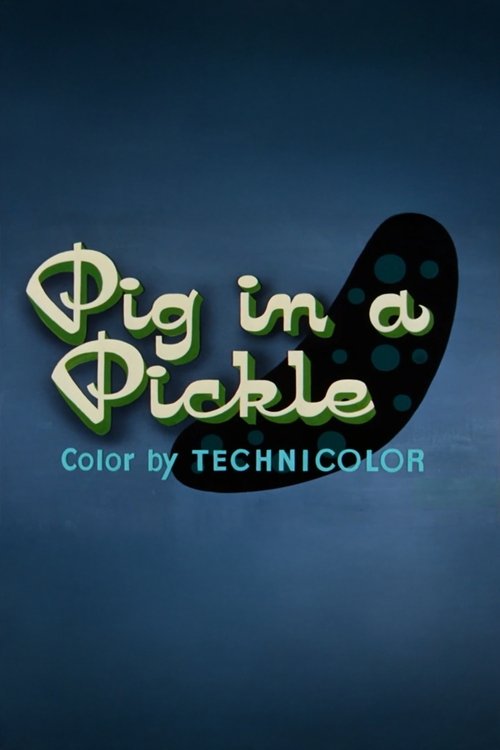
Pig in a Pickle adheres to the mid-century American animation standards of the 1950s, featuring a homogeneous social setting and clear-cut moral binaries. The film lacks engagement with multi-layered identities and instead reinforces traditional family structures and values typical of pastoral comedic storytelling. Ultimately, it serves as a standard slapstick short that upholds established social norms without challenging them.
Category Breakdown
The film centers on a traditional family unit in a domestic farm setting. There are no representations of LGBTQ+ identities or same-sex relationships.
The film portrays a traditional domestic hierarchy between Maw and Paw, reflecting mid-century archetypes of the nuclear family.
The story takes place in a localized, rural farm environment. It does not include any characters from diverse racial or ethnic backgrounds.
The narrative emphasizes Western agrarian values and the sanctity of the family unit. It upholds traditional notions of morality and justice.
There are no characters with visible or invisible disabilities in the film.
Present on Screen
Limited or Absent
Official Synopsis
Milford, the family pig, is being given a birthday party, on the farm, by Maw and Paw and all the kids, but he is kidnapped by one of the 39 Boomer Brothers on the neighboring farm, who want to make bar-b-que out of Milford. Maw and Paw set out to rescue Milford, but they are thwarted by the red-bearded brothers. But victory finally comes and Milford comes home to celebrate his birthday.
1944
1965
1958
1958
1954
1962
1939
1936
No reviews yet. Be the first to share your thoughts on this movie!
Use the rating form above to leave a star rating and optional review.