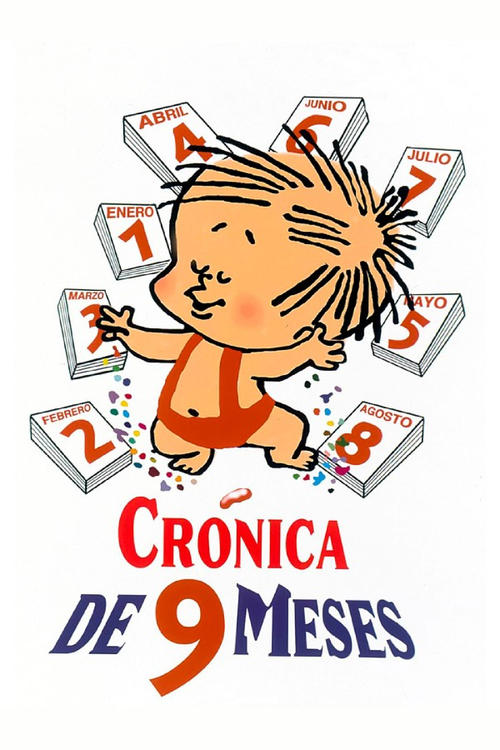
Crónica de nueve meses
1967
No user ratings available yet
Representation score: 1.8 out of 10
Representation Score
Limited
1970
Director
Mariano Ozores Puchol
Runtime
97 minutes
Average Rating
No ratings yetNew Showbiz Analysis
This 1970 comedy by Mariano Ozores Puchol employs a multi-protagonist structure centered on the simultaneous birth of several infants. The narrative focuses on the universal experience of birth and social continuity. The film serves as a conventional comedic work of its era, prioritizing traditional social cohesion and biological family units over the exploration of diverse identities or social hierarchies. Given its focus on reproductive cycles, the film lacks representation of LGBTQ+ identities and maintains a demographically homogeneous cast typical of the period.
Category Breakdown
The film emphasizes biological childbirth, suggesting a focus on traditional reproductive cycles. There is no visible representation of non-straight or non-cisgender identities.
Women play central roles as mothers and patients in the hospital setting. However, the era and genre likely reinforce traditional gender roles and family structures.
The cast appears demographically homogeneous, reflecting the localized Spanish production context of 1970. No multicultural ensembles or diverse casting are indicated.
The story centers on the biological family and traditional life cycles. It aligns with the social norms of its time rather than challenging institutional norms.
The film provides no information regarding characters with visible or invisible disabilities.
Present on Screen
Limited or Absent
Official Synopsis
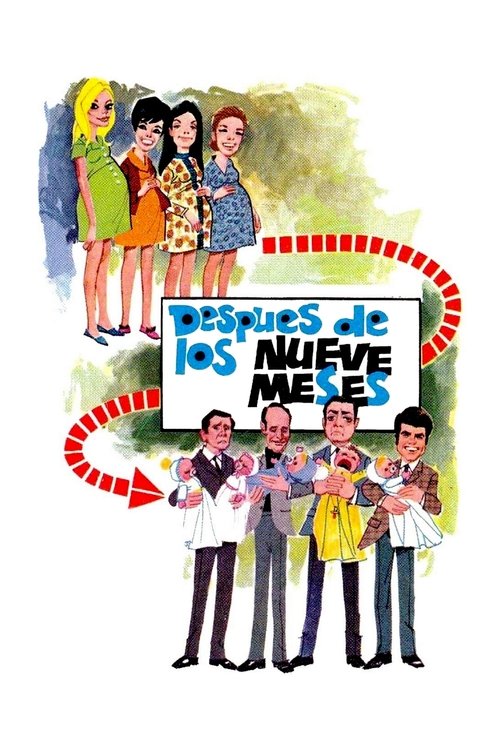
On the same day, at the same time, several babies are born in a hospital.
1967
1985
1984

1970
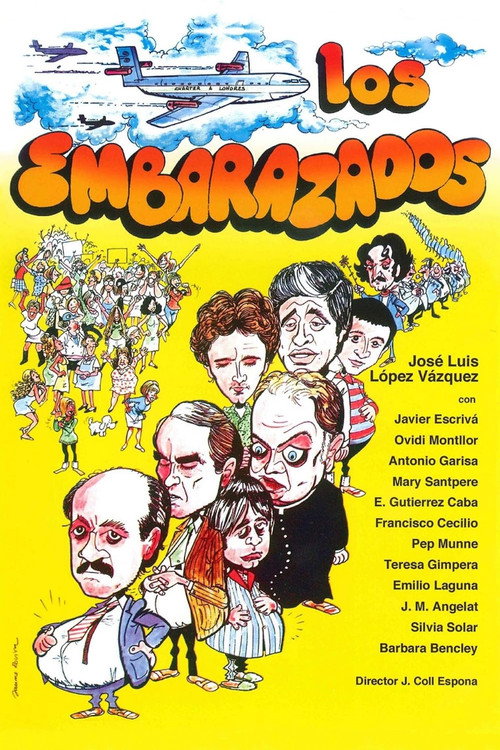
1982

1974
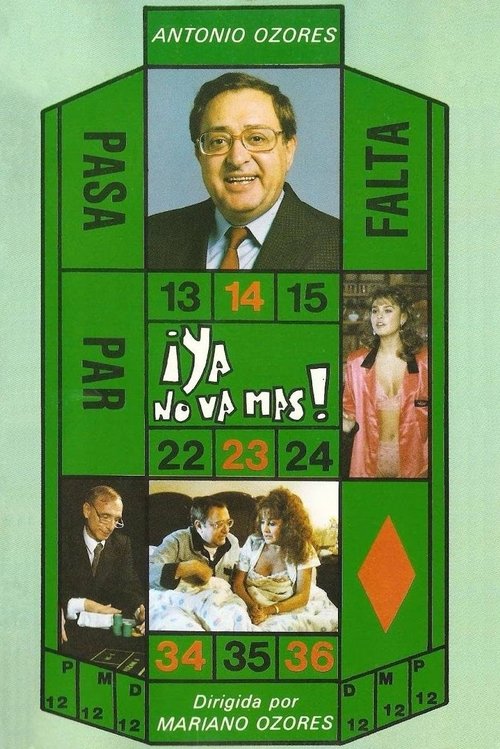
1988
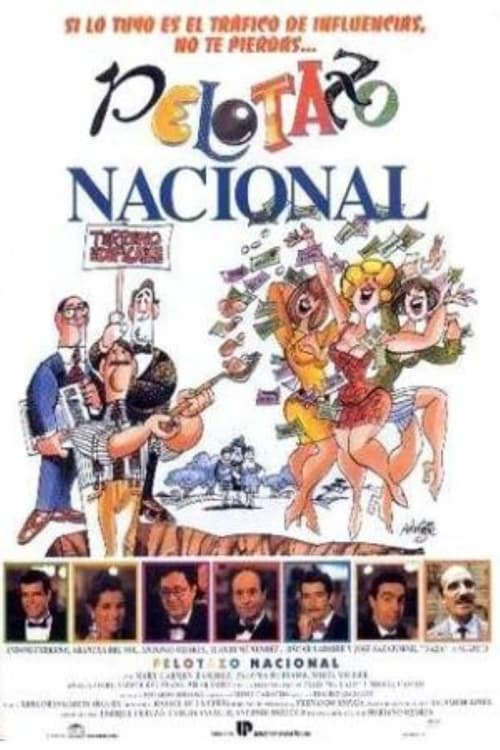
1993
No reviews yet. Be the first to share your thoughts on this movie!
Use the rating form above to leave a star rating and optional review.