
Call Girl
2014
No user ratings available yet
Representation score: 0.2 out of 10
Representation Score
Good
2012
Director
David Shin
Runtime
84 minutes
Average Rating
No ratings yetNew Showbiz Analysis
The film offers a non-Western setting by centering its characters in Tokyo, which provides a departure from standard Hollywood locales. This cultural grounding is the primary source of its diversity. However, the narrative relies heavily on traditional psychological horror clichés. The character dynamics often reinforce conventional gender roles and use mental health struggles as a vehicle for tension rather than exploring them with depth. Ultimately, the film lacks the complexity needed to disrupt social hierarchies, focusing instead on individual psychological distress within a standard romantic framework.
Category Breakdown
The story centers on a traditional heterosexual relationship between Yumi and Taka. There is no visible representation of LGBTQ+ identities or narratives that challenge the assumption that everyone is straight or cisgender.
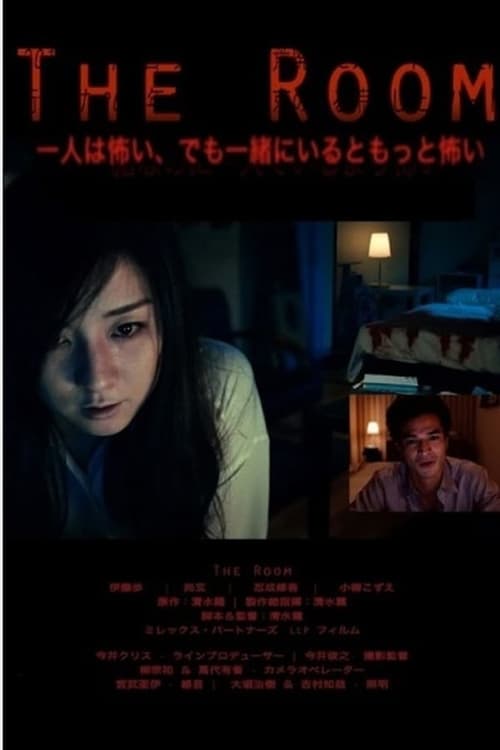
The film places the female protagonist in a position of psychological vulnerability. The dynamic suggests a traditional separation of roles, with the male partner observing her descent from a distance.
Set in Tokyo with Japanese characters, the film provides a non-Western backdrop. However, it follows standard horror clichés without providing deep layers that reflect multiple aspects of identity or challenging ethnic expectations.
The narrative focuses on isolation and technological mediation through Skype. It avoids religious themes and does not engage in any systemic critiques of modern institutions.
Mental health is a central theme as Yumi's stability declines. There is a risk that her psychological struggle serves primarily as a horror plot device rather than a nuanced portrayal.
Present on Screen
Limited or Absent
Official Synopsis
Yumi moves into her boyfriend's Tokyo apartment but on the night of the move, he is called away for business in New York. The couple communicates over Skype and over the course of four nights, their relationship descends into an abyss of mistrust and lies. Yumi believes there's a ghost in the room haunting her as her only connection to the outside world is Taka on the other side of the world. Taka believes she's slowly going crazy right in front of his eyes. The story concludes with a shocking twist that will haunt both of them forever.
2014

2007

2013
2000

2015

1981

2017

2013
No reviews yet. Be the first to share your thoughts on this movie!
Use the rating form above to leave a star rating and optional review.