Brakhage
1998
No user ratings available yet
Diversity score: 4.3 out of 10
2002
NRDirector
Chris Leavens
Runtime
91 minutes
Average Rating
No ratings yetSynopsis
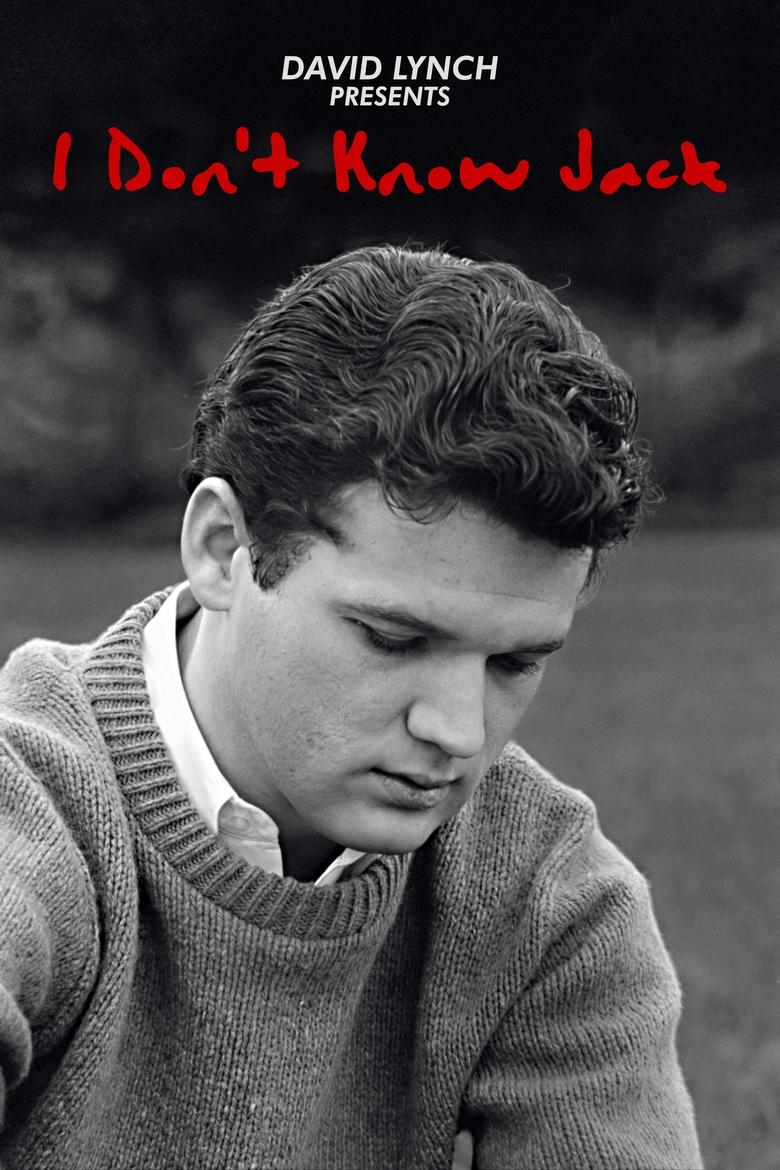
The life of actor Jack Nance, whose rise to prominence after starring in David Lynch's 1977 cult classic Eraserhead led to involvement in various further projects with Lynch.
Overall Score
Fair
Category Breakdown
LGBTQ+ Representation
The film explores the non-normative aesthetics of David Lynch's filmography. However, it lacks explicit depictions of queer identities or intimacy, focusing instead on Jack Nance's professional life.
Gender Representation
The narrative centers on a male subject and his creative partnership with David Lynch. It does not demonstrate a deliberate subversion of gender hierarchies or the centering of female agency.
Racial & Ethnic Diversity
This character study remains rooted in a Western, avant-garde cinematic tradition. The core narrative lacks evidence of intersectional casting or a focus on non-Anglo-Saxon perspectives.
Religious & Cultural Diversity
The documentary celebrates the 'outsider' by focusing on surrealist and cult cinema. It disrupts mainstream celebrity expectations by prioritizing artistic subjectivity over traditional Hollywood structures.
Disability Representation
There is no information regarding the portrayal of physical or neurodivergent disabilities within this biographical work.
Strengths
Areas for Improvement
AI Analysis
This documentary functions as a niche biographical study of actor Jack Nance. It prioritizes the celebration of avant-garde and surrealist cinema over mainstream commercial tropes, offering a subtle critique of traditional cinematic hierarchies through its focus on the unconventional. However, the film lacks broad intersectional representation. The narrative is heavily centered on male-driven artistic movements and a Western cinematic tradition, providing little visibility for diverse racial, ethnic, or gendered perspectives. While it engages with the subcultural spirit of cult film, it does not explicitly address queer identities or disability, resulting in a specialized rather than inclusive viewing experience.
1998
2020
1986
1984
2003
2016
1979
2000
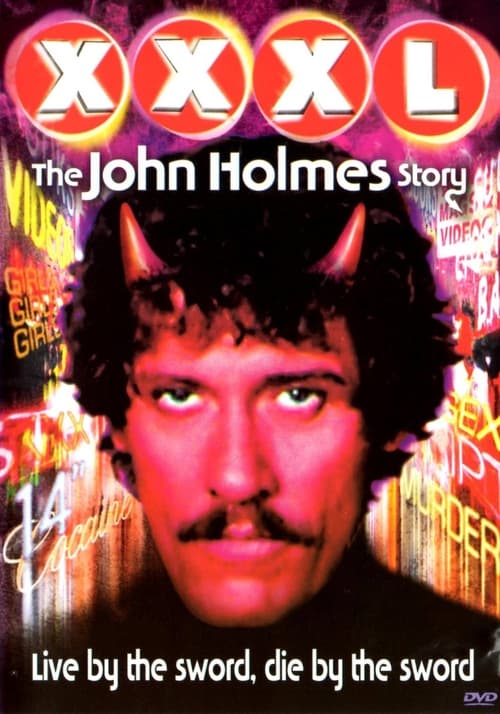
2000
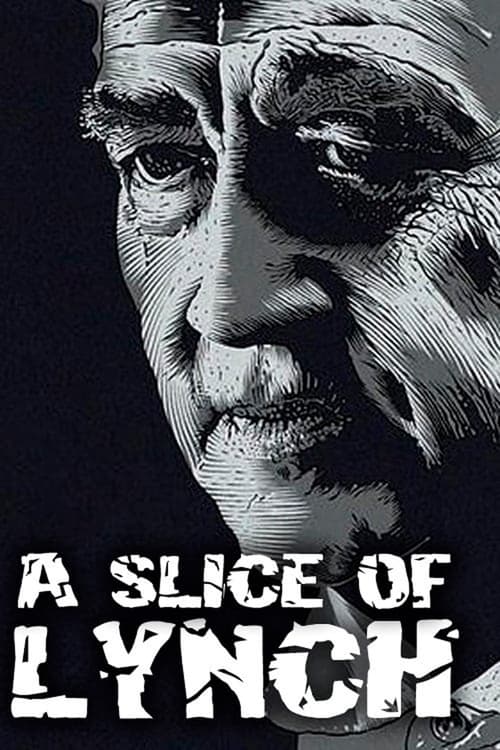
2007
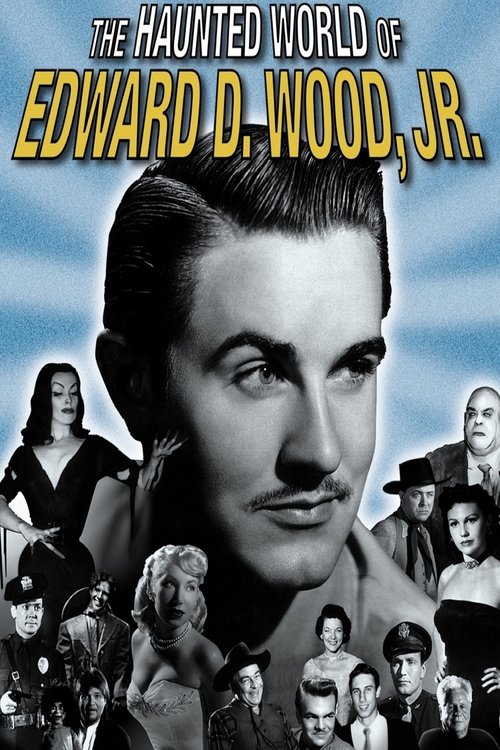
1996
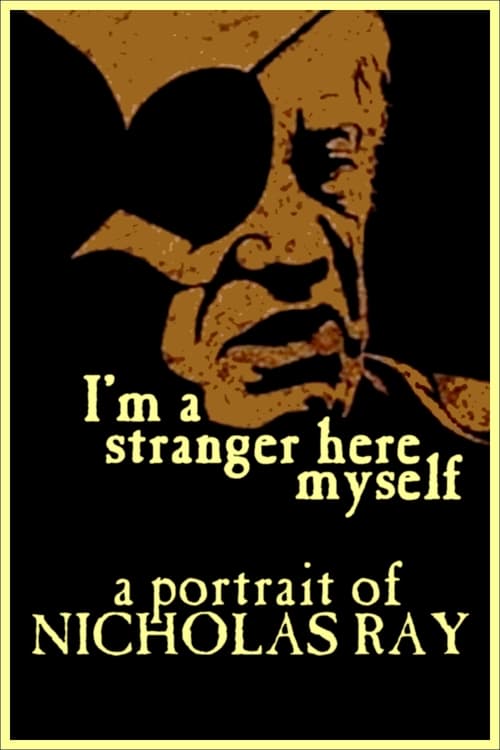
1975
No reviews yet. Be the first to share your thoughts on this movie!
Use the rating form above to leave a star rating and optional review.