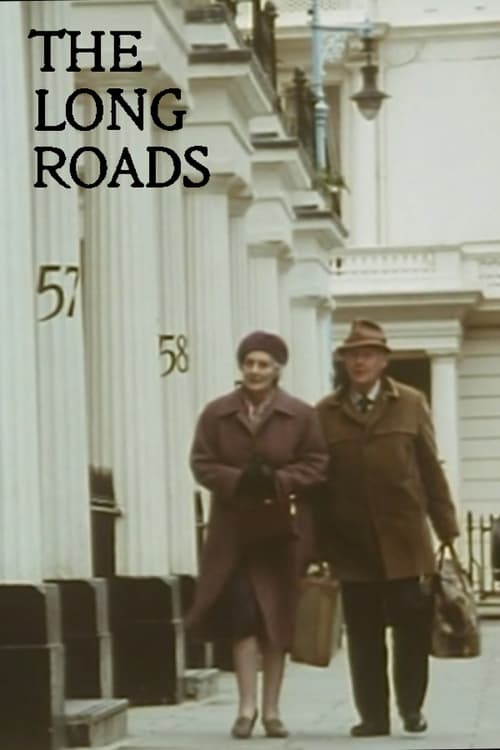
The Long Roads
1993
No user ratings available yet
Representation score: 4.0 out of 10

Representation Score
Good
1980
PGDirector
Lee Grant
Runtime
93 minutes
Average Rating
No ratings yetNew Showbiz Analysis
Lee Grant’s drama provides a deep look at characters that challenge traditional family roles. By focusing on a woman’s terminal illness, the film shifts the focus from traditional patriarchal structures to the female experience. While the film does well in breaking down the idea of the perfect family, it doesn’t have much diversity in race or LGBTQ+ representation. The focus stays on a specific, mostly homogeneous family unit. Overall, the film is a thoughtful exploration of mortality and family issues, emphasizing emotional depth over broad demographic variety.
Category Breakdown
The story focuses on a family where everyone is assumed to be straight and cisgender, with no clear representation of LGBTQ+ characters or identities.
The movie challenges traditional gender roles by focusing on a woman who is terminally ill. She drives the story instead of being a passive character.
The film seems to center around a specific family unit without showing much diversity in race. It follows the typical family structure of the 1980s.
The film looks at the idea of the perfect family and questions it by showing the family members' struggles and feelings about death. It focuses on personal emotions rather than following traditional moral stories.
The film explores a terminal illness to show how it affects a person's life and actions. The illness is used to develop the character and move the story forward, rather than just being a sad part of the plot.
Present on Screen
Limited or Absent
Official Synopsis
Aging couple David and Eva have lost the spark that once infused their marriage. After nearly four decades together, the elderly duo is feel disconnected and lost. When they discover that Eva is sick, they decide to travel across the country to stay with their granddaughter in San Francisco. On the trip, with Eva's possible death looming, the couple rediscovers the passion and love that had been missing from their lives.
1993
1976

1990
1962
1993

1989

2019
1997
No reviews yet. Be the first to share your thoughts on this movie!
Use the rating form above to leave a star rating and optional review.