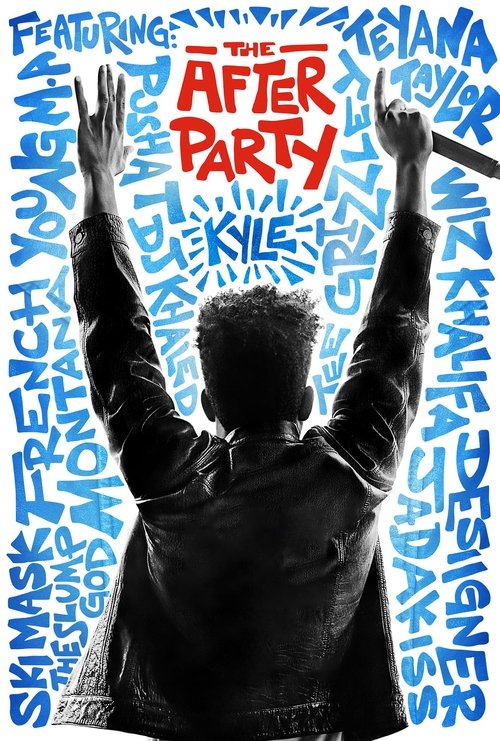
The After Party
2018
No user ratings available yet
Representation score: 6.8 out of 10
Representation Score
Good
2022
TV-14Director
Eddie Sternberg
Runtime
104 minutes
Average Rating
No ratings yetNew Showbiz Analysis
I Used to Be Famous is a sophisticated exploration of identity performance set against the backdrop of the 1970s disco era. By centering a Black queer icon, the film examines how systemic structures influence personal ability to act. The film effectively challenges traditional hierarchies of race and sexuality, using the music industry as a backdrop to critique institutionalized fame. While it provides deep insights into underrepresented identities, it lacks any representation of disability.
Category Breakdown
The film centers on the experiences of Black LGBTQ individuals during the disco era, highlighting the importance of intimate spaces for queer communities. It avoids shallow representation by presenting a complex and dynamic portrayal of identity.
The movie challenges traditional masculine hierarchies by showcasing non-traditional gender expressions. It highlights vulnerability and emotional intelligence, moving away from the typical alpha male archetype.
The film focuses on a Black protagonist navigating systemic inequities within a significant cultural movement of the 1970s. It emphasizes the high ability to act of the character in this context.
The story critiques the capitalist machinery of the music industry and the tension between private and public personas. It portrays celebrity as a potentially oppressive force that can fragment an individual's identity.
There is no evidence provided regarding the portrayal of visible or invisible disabilities within the film.
Present on Screen
Limited or Absent
Official Synopsis
A former boy band star unexpectedly gets a second shot at success when he forms a bond with a gifted young drummer.
2018
2014
2008

2014

2014
2019
2023

2018
No reviews yet. Be the first to share your thoughts on this movie!
Use the rating form above to leave a star rating and optional review.