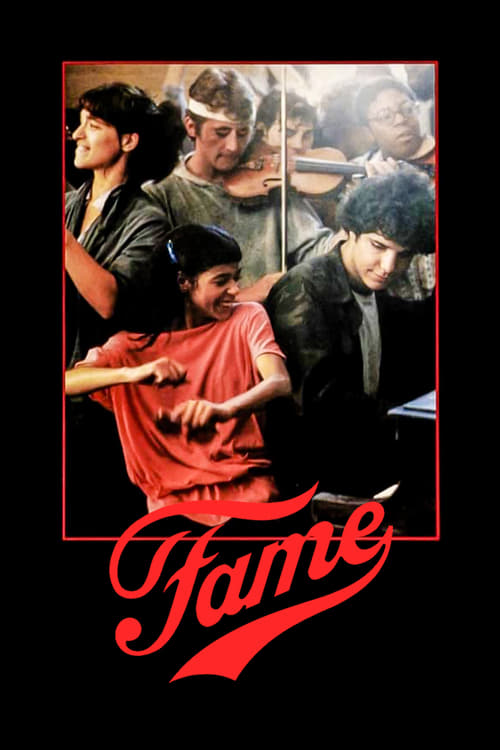
Fame
1980
No user ratings available yet
Representation score: 8.1 out of 10
Representation Score
Good
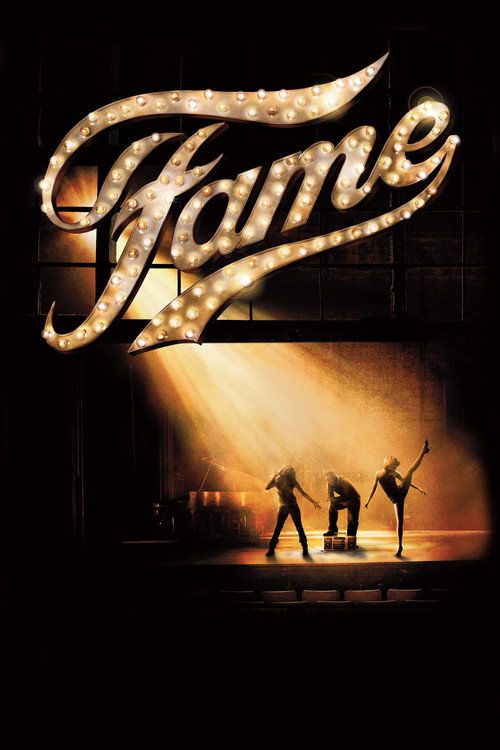
2009
PGDirector
Kevin Tancharoen
Runtime
107 minutes
Average Rating
No ratings yetNew Showbiz Analysis
Fame (2009) presents a vibrant portrayal of multicultural urban youth, effectively reflecting a diverse student body. By incorporating various ethnicities into the core story, the film avoids a homogeneous white norm. However, the narrative's structural depth is limited by its reliance on conventional Western ideals of individual achievement and stardom. Additionally, the film's exploration of broader systemic or cultural critiques is lacking. The story primarily focuses on personal meritocracy, keeping it within conventional boundaries. Furthermore, the film lacks significant representation for disabled or LGBTQ+ characters, favoring more traditional, able-bodied, and heterosexual character archetypes.
Category Breakdown
The film focuses on heterosexual relationships and lacks central narratives centered around LGBTQ+ identities. While the ensemble setting allows for varied interpersonal dynamics, there is a noticeable absence of stories focusing on non-straight relationships.
Female students play a significant role in the high-stakes, competitive environment, demonstrating strong ability to act and discipline. However, the plot occasionally relies on conventional adolescent clichés regarding social dynamics and romantic rivalry.
The film showcases a multicultural urban student body that avoids a homogeneous white norm. Characters of color are integrated into the school's fabric and have significant professional influence.
The narrative centers on individualistic ambition and Western meritocracy. It emphasizes personal growth and discipline while avoiding deeper exploration of social structures or institutional oppression.
The film minimally addresses neurodivergent or physically disabled characters in the central narrative. The focus on physical and vocal performance requirements may sideline different sensory or physical profiles.
Present on Screen
Limited or Absent
Official Synopsis
At New York's High School of Performing Arts, students from all walks of life get the chance to hone their skills as singers, actors, dancers, and more. Over four years, these young men and women will see if they truly have the dedication and talent to achieve success, while still juggling regular schoolwork, feelings of self-doubt, and budding romances.
1980

2009
2012

2001

2002

2016

2020

2022
No reviews yet. Be the first to share your thoughts on this movie!
Use the rating form above to leave a star rating and optional review.