The Romance of Max
1912
No user ratings available yet
Representation score: 0.8 out of 10
Representation Score
Minimal
1908
Director
J. Searle Dawley
Runtime
10 minutes
Average Rating
No ratings yetNew Showbiz Analysis
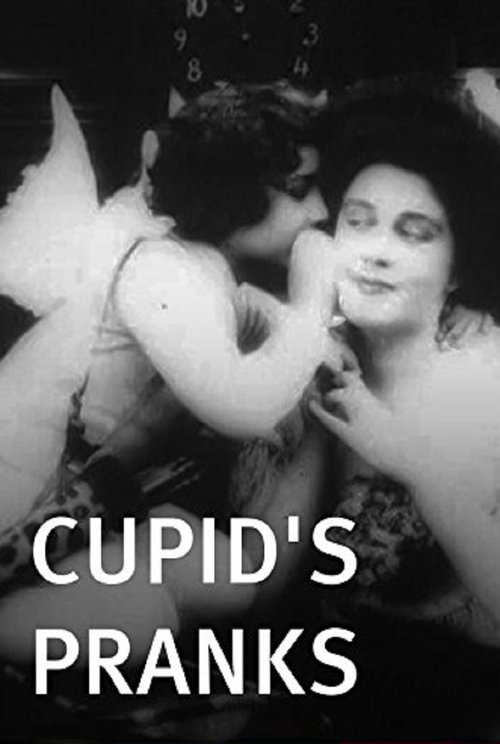
Cupid’s Pranks is a product of its time, functioning as a traditional escapist fantasy rooted in classical mythology. The narrative structure relies heavily on traditional romantic clichés and the orchestration of courtship, limiting its potential for diverse character development. The film adheres to the social constraints and homogeneous casting norms typical of early 20th-century cinema. It lacks the complexity or subversion of systemic hierarchies found in more progressive works. Ultimately, the film serves as a baseline for early fantasy-romance storytelling rather than a vehicle for social or cultural disruption.
Category Breakdown
The story revolves around traditional romantic pursuits involving mythological figures. There is no representation of LGBTQ+ identities or same-sex relationships.
The film centers on the theme of uniting lovers, reinforcing traditional courtship rituals. The romantic subjects are presented within a conventional, period-specific framework.
The film likely reflects the homogeneous casting practices of 1908. There is no indication of diverse casting or non-white majority casts.
The film uses classical Western mythology to drive a romantic comedy. It serves as an escapist fantasy rather than a critique of social institutions.
There is no evidence of characters with physical or neurodivergent disabilities being portrayed with significant roles or as central plot drivers.
Present on Screen
Limited or Absent
Official Synopsis
After receiving a scolding for falling asleep on the job, Cupid is sent out in search of potential lovers to unite. While flying over a city, he finds a ballroom dance and identifies a likely couple. He is successful in getting them to meet, but many obstacles still stand in the way of Cupid achieving his goal for them.
1912

1928
1903
1928
1935
1915
1992

1923
No reviews yet. Be the first to share your thoughts on this movie!
Use the rating form above to leave a star rating and optional review.