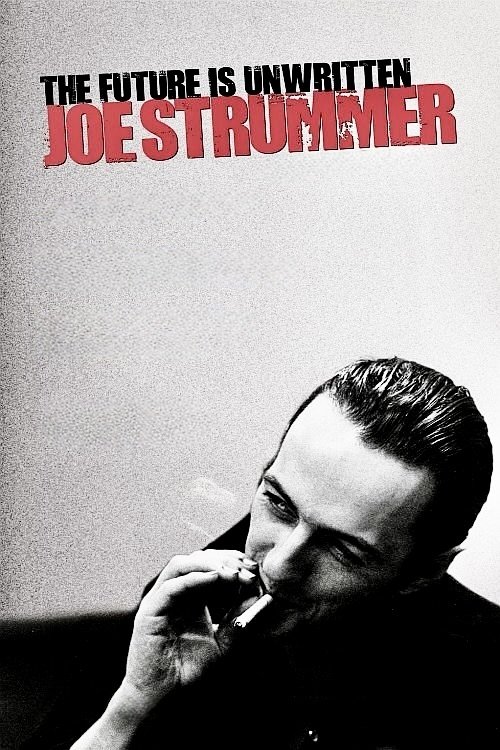
Joe Strummer: The Future Is Unwritten
2007
No user ratings available yet
Diversity score: 6.9 out of 10

2019
Director
Peter Webber
Runtime
99 minutes
Average Rating
No ratings yetSynopsis
Capturing the ongoing relevance of reggae and its social values, and the music's passion to revitalize an older generation while passing it on to younger listeners.
Overall Score
Good
Category Breakdown
LGBTQ+ Representation
The film lacks explicit LGBTQ+ narratives or non-cisnormative identities. The story focuses strictly on the protagonist's biographical and cultural journey within her specific historical context.
Gender Representation
The narrative centers on a woman's artistic autonomy, challenging traditional hierarchies. While depicting restrictive domestic labor, the protagonist transcends these social limitations through her musical craft.
Racial & Ethnic Diversity
The film excels with an all-Black cast and a Gambian-centered narrative. It uses music to reclaim indigenous identity and assert agency against lingering colonial influences.
Religious & Cultural Diversity
The film critiques class structures and socioeconomic disparities through the lens of domestic service. It prioritizes communal musical expression over standardized Western social norms.
Disability Representation
There are no prominent depictions of physical or neurodivergent disabilities that serve as central narrative drivers in this biographical account.
Strengths
Areas for Improvement
AI Analysis
Inna de Yard is a powerful reclamation of Gambian identity, using the life of a domestic worker to disrupt conventional biographical tropes. By centering a working-class woman, the film elevates her agency and explores the intersection of musical heritage and social resilience. The production succeeds through its authentic ethnic representation and its sophisticated critique of colonial-era social hierarchies. The use of reggae serves as a vessel for social values, providing a nuanced look at post-colonial identity. However, the film's scope is narrow regarding certain identity markers. It lacks LGBTQ+ representation and does not feature central narratives involving disability, focusing instead on the specific historical and cultural trajectory of the protagonist.
2007
2017
2019
2016
2020
2008
2018
2014
1981
2012
2012

2016
No reviews yet. Be the first to share your thoughts on this movie!
Use the rating form above to leave a star rating and optional review.