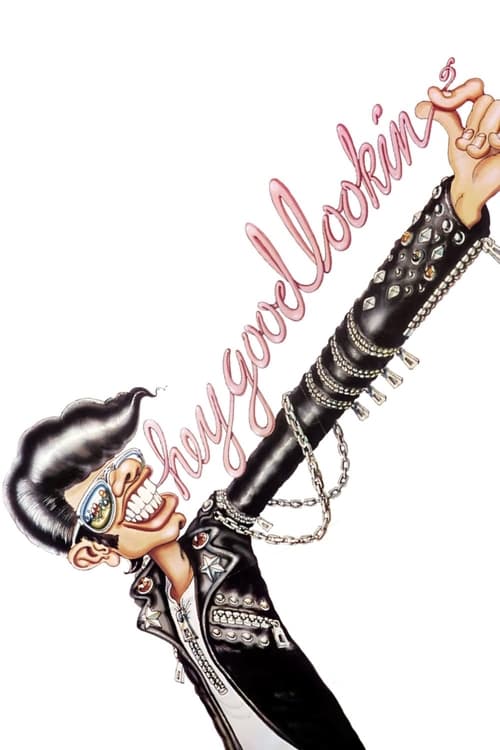
Hey Good Lookin'
1982
No user ratings available yet
Representation score: 2.8 out of 10
Representation Score
Excellent
1981
RDirector
Ralph Bakshi
Runtime
96 minutes
Average Rating
No ratings yetNew Showbiz Analysis
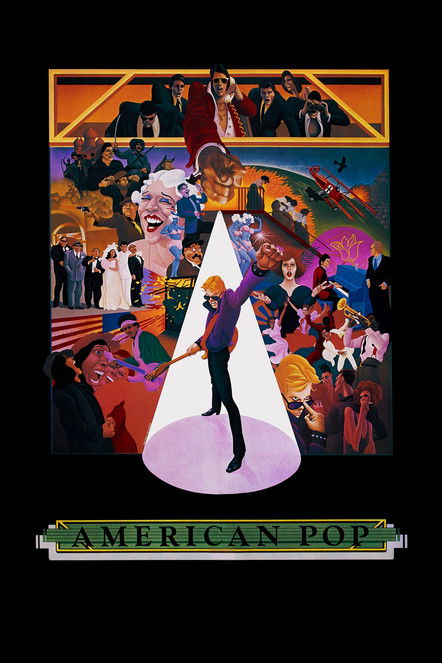
Ralph Bakshi’s animated film serves as a historical and cultural critique, especially in its exploration of ethnic roots and the immigrant experience. By focusing on a Russian Jewish family, the film provides a strong foundation for discussing the diverse origins of American music. However, the anthology structure often prioritizes broad historical movements over individual identity, leading to a lack of depth in LGBTQ+ narratives and disability representation. Characters tend to serve as vessels for musical eras rather than as fully realized individuals. Ultimately, the film excels in critiquing the intersection of art and capitalism. It captures the fluidity of gender and race through musical evolution, yet it remains a study of systemic forces rather than a deep dive into specific underrepresented identities.
Category Breakdown
The film includes LGBTQ+ characters but focuses more on the historical musical progression than on their personal stories. There are no central LGBTQ+ narratives, making the representation peripheral and atmospheric.
Women's roles evolve from restrictive to more professionalized positions throughout the film. Gender roles are shown as flexible constructs influenced by the cultural context of the time.
The film centers around a Russian Jewish immigrant family and highlights the contributions of Black musicians. It explores the diverse cultural influences that shape the American musical landscape.
The movie critiques how capitalism turns authentic cultural expressions into commodities. It portrays the music industry as a predatory force that strips art of its soul.
The film has limited representation of neurodivergent or physical disabilities. Characters are primarily defined by their socioeconomic status and their relationship to music.
Present on Screen
Limited or Absent
Official Synopsis
The history of American popular music runs parallel with the history of a Russian Jewish immigrant family, with each male descendant possessing different musical abilities.
1982
2016
1987
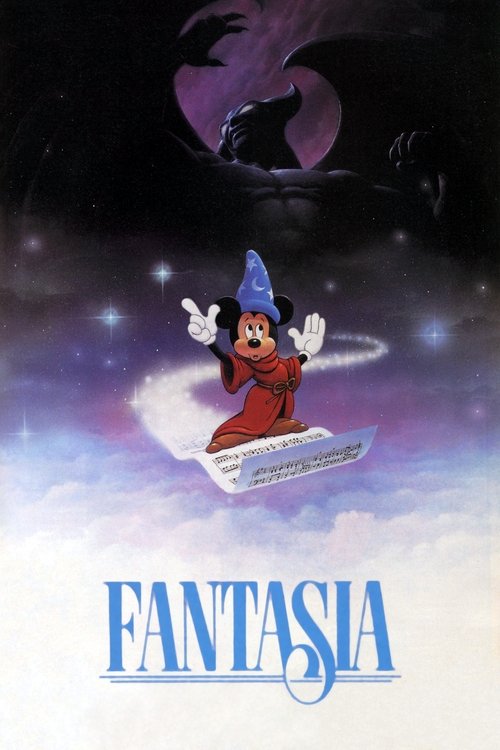
1940
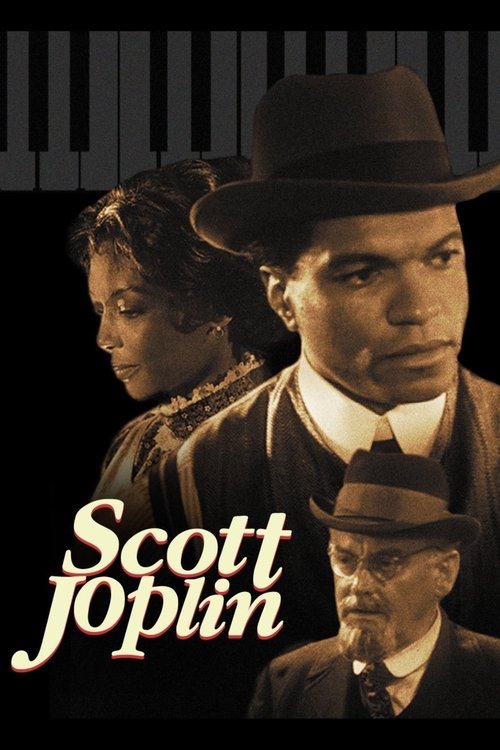
1977
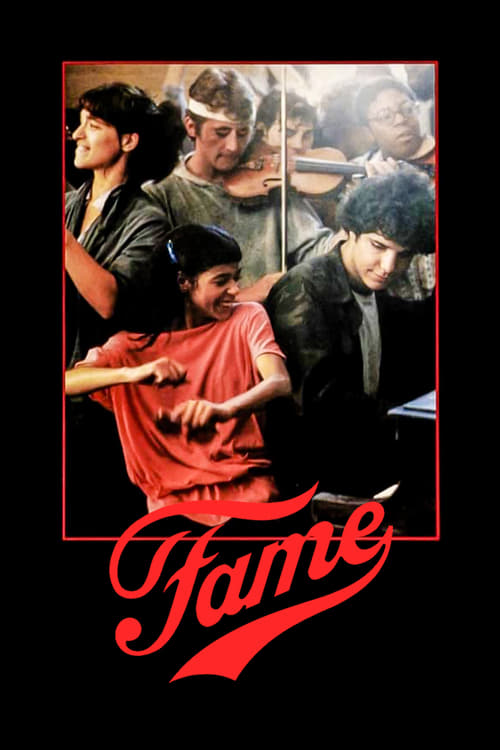
1980

2018

2018
No reviews yet. Be the first to share your thoughts on this movie!
Use the rating form above to leave a star rating and optional review.