
Life on Parole
2017
No user ratings available yet
Representation score: 7.8 out of 10
Representation Score
Excellent
2016
TV-PGDirector
Kelly Duane de la Vega, Katie Galloway
Runtime
84 minutes
Average Rating
No ratings yetNew Showbiz Analysis
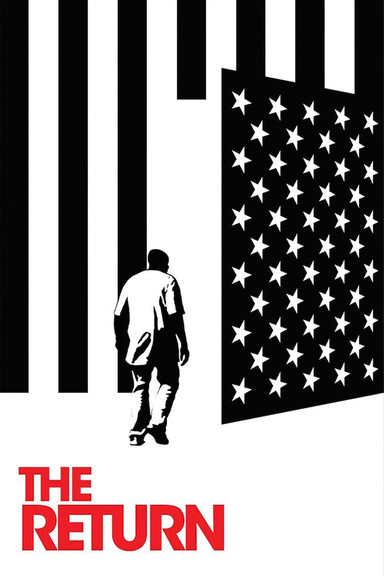
The Return is a sophisticated documentary that shifts the focus from individual morality to the friction between underrepresented identities and state institutions. It successfully deconstructs the 'three-strikes' law to highlight how institutional structures perpetuate cycles of exclusion. The film's greatest strength is its multi-layered approach, particularly regarding race and systemic critique. By centering Black and Latino experiences, it moves beyond including someone from a minority group without giving them real depth to provide a meaningful look at how race and capitalism drive the carceral system. While the film excels in racial and cultural analysis, it lacks explicit LGBTQ+ narratives. However, it compensates by offering a nuanced, non-traditional view of gender and mental health within the reentry process.
Category Breakdown
The film does not center on LGBTQ+ identities or non-binary gender stories. It lacks explicit queer themes or critiques of the assumption that everyone is straight.
The film provides equal weight to male and female perspectives. It challenges traditional male-centric crime stories by highlighting the unique social stigmas and hurdles faced by formerly incarcerated women.
The documentary excels by centering Black and Latino individuals. It challenges white-centric views of justice by focusing on how systemic racial dynamics influence incarceration and reentry.
The film offers a profound critique of Western institutional structures and the prison-industrial complex. It frames the struggle of protagonists as a response to corrupt, profit-driven frameworks.
The film provides insight into the intersection of mental health and the legal system. It treats psychological struggles with ability to act rather than relying on the 'unstable criminal' stereotype.
Present on Screen
Limited or Absent
Official Synopsis
In 2012, California voters approved Proposition 36, effectively repealing the state's notoriously harsh three-strikes law that had sentenced thousands of nonviolent offenders to a lifetime behind bars. But what does it mean to be released from prison after being sentenced to life? How does one begin to reintegrate into society? The Return depicts the struggles of two newly released former lifers as they deal with restoring relationships, avoiding personal triggers, finding meaningful employment, and managing the mental health problems which had previously contributed to their imprisonment.
2017

2020
2024
2015
2017

2020
2017

2012
No reviews yet. Be the first to share your thoughts on this movie!
Use the rating form above to leave a star rating and optional review.