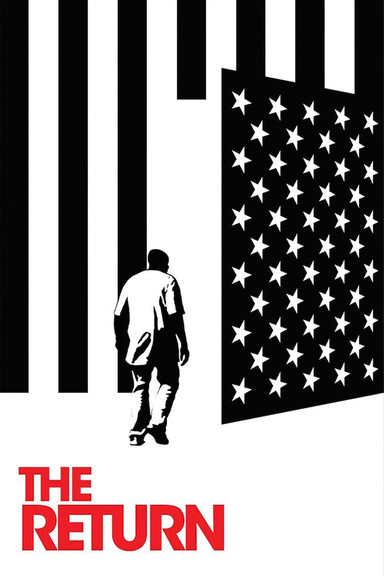
The Return
2016
No user ratings available yet
Representation score: 9.1 out of 10

Representation Score
Good
2017
TV-MADirector
Matthew O'Neill
Runtime
53 minutes
Average Rating
No ratings yetNew Showbiz Analysis
Life on Parole succeeds as a sociological study that shifts the focus from punitive state mechanisms to the lived experiences of individuals. By centering the ability to act of those under supervision, the film reframes criminality as a struggle against systemic barriers rather than individual moral failings. The documentary excels in its depiction of racial dynamics and its critique of institutional power. It provides a nuanced look at how the American legal framework impacts diverse populations, particularly through its realistic portrayal of racial demographics within the justice system. However, the film is limited by its narrow demographic focus. It lacks significant representation of LGBTQ+ identities and does not engage in the subversion of traditional gender roles, leaving these areas underdeveloped.
Category Breakdown
The film does not prominently feature LGBTQ+ narratives or non-cisgender identities. It aims to highlight underrepresented communities but misses opportunities to explore queer identities or challenge straight-centered assumptions.
The documentary maintains a neutral stance regarding gender roles. It documents the lived experiences of both men and women without actively challenging traditional gender norms.
The film reflects the racial demographics of the American justice system. By focusing on Black and White individuals, it highlights how systemic constraints and carceral oversight intersect with race.
The narrative offers a strong critique of Western carceral and socioeconomic systems. It frames reentry as a struggle against systemic poverty and institutional rigidity rather than moral failure.
The film touches on the mental and emotional health challenges inherent in reentry. It avoids 'inspiration porn' by focusing on the psychological pressures and grit required for survival.
Present on Screen
Limited or Absent
Official Synopsis
Follow former prisoners through the challenges of their first year on parole. With unique access, the film goes inside the effort to change the way parole works in Connecticut and reduce the number of people returning to prison.
2016

2020
2017
2015
2015

2020

2017

2011
No reviews yet. Be the first to share your thoughts on this movie!
Use the rating form above to leave a star rating and optional review.