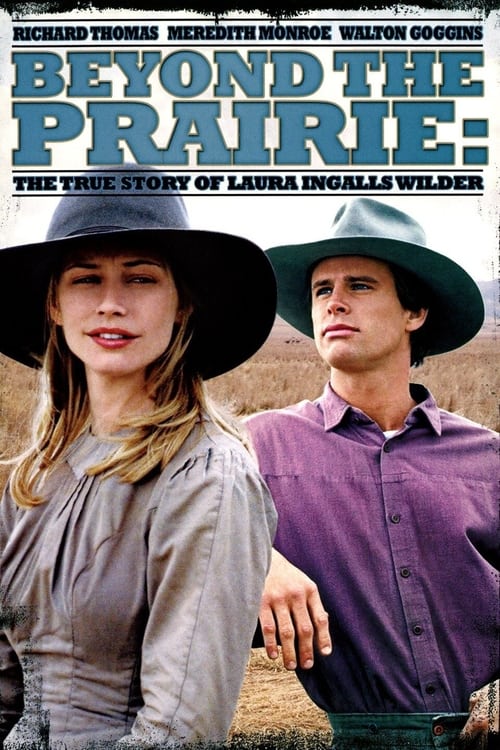
Beyond the Prairie: The True Story of Laura Ingalls Wilder
1999
No user ratings available yet
Representation score: 1.8 out of 10
Representation Score
Limited
2002
TV-14Director
Marcus Cole
Runtime
90 minutes
Average Rating
No ratings yetNew Showbiz Analysis
This biographical drama functions as a traditional historical piece, focusing on the survival of a nuclear family. While it showcases a woman taking on traditionally male roles during a crisis, the narrative remains confined within a narrow, conservative framework. The film's strengths lie in its portrayal of a woman stepping into a provider role during a crisis. However, it offers little room for perspectives that reflect multiple aspects of identity and remains tethered to historical homogeneity and traditionalist values. Ultimately, the work serves as a period-accurate reflection of the pioneer spirit rather than a tool for social subversion or diverse representation.
Category Breakdown
The film does not include any LGBTQ+ characters or stories that question the assumption that everyone is straight or cisgender.
Laura's role as the main character drives the plot as she takes on traditionally male roles such as land clearing. This changes the power dynamic when her husband becomes incapacitated.
The film reflects the homogeneous demographics typical of the American frontier era. It does not feature any non-white characters with significant roles.
The story highlights Western pioneer values and emphasizes the importance of family stability. It upholds traditional ideals of hard work and perseverance.
Almanzo's illness serves as a key plot point, but it is used more as a situation obstacle than a deep exploration of disability.
Present on Screen
Limited or Absent
Official Synopsis
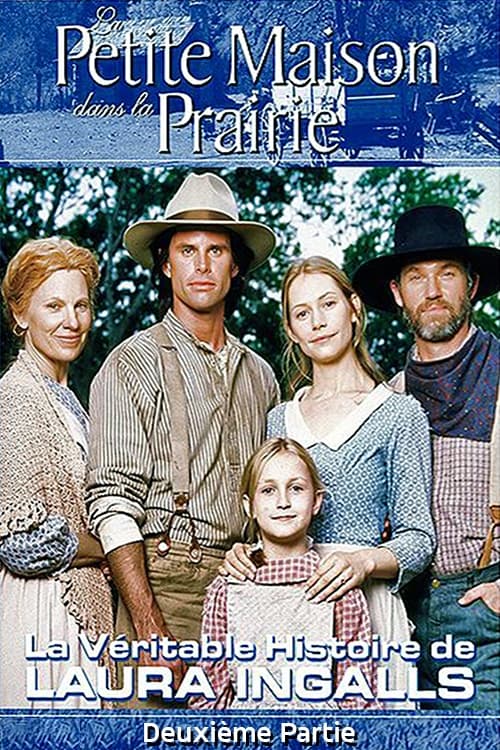
Laura, her husband Almanzo and their daughter Rose leave South Dakota and head for Missouri in search of a better, more financially stable life. It's a daunting journey, but they're sustained by their resolve. However, they're faced with an even greater challenge after their arrival: an ailing and bedridden Almanzo is unable to tend their new land. With winter fast on its way, Laura attempts to clear the land herself and plant the acres of apple trees that they hope will ensure their future.
1999
1972
1945
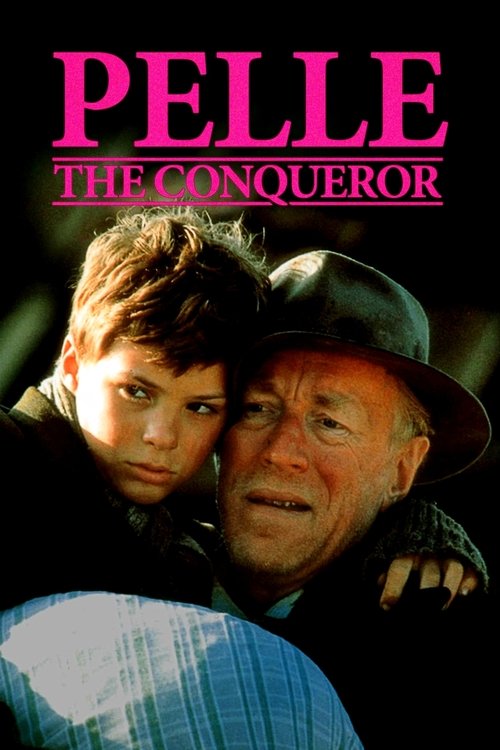
1987
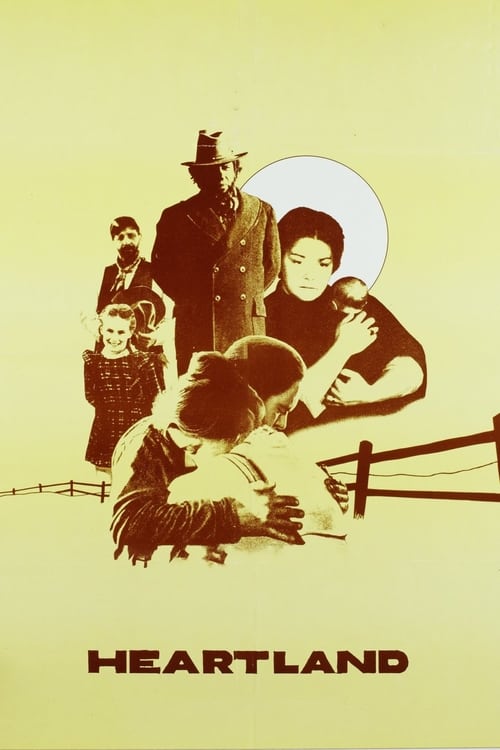
1981

1930
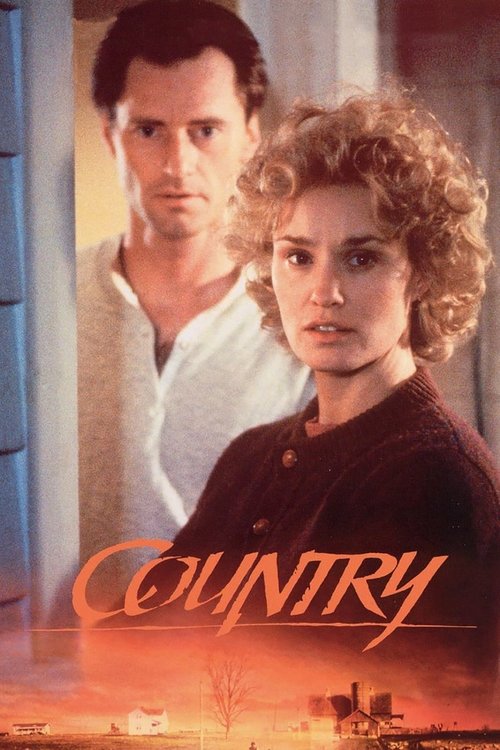
1984
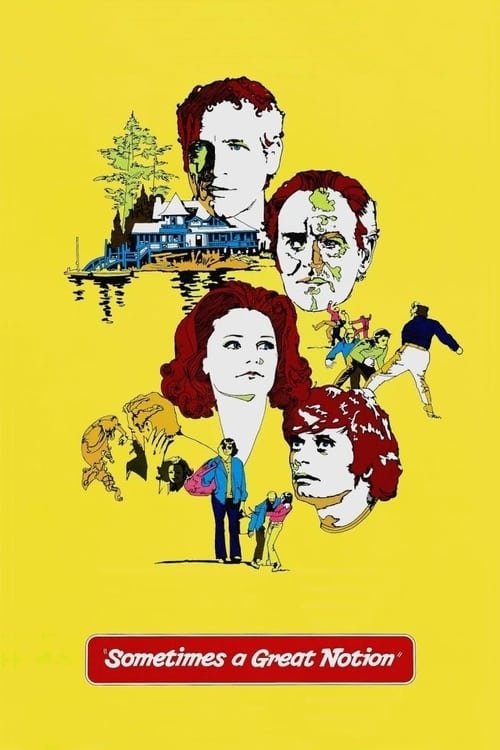
1971
No reviews yet. Be the first to share your thoughts on this movie!
Use the rating form above to leave a star rating and optional review.